Ask a bonsai grower what belongs in a good soil mix and Akadama and pumice will usually be part of the conversation.
They are often used together, but they do not perform exactly the same role.
Understanding the difference between Akadama vs pumice helps you choose materials based on what your bonsai mix needs to achieve. Instead of selecting an ingredient because it appears in a familiar recipe, consider how each component affects:
- water movement
- moisture retention
- aeration
- particle structure
- the way the substrate performs over time
Those factors lead to a more deliberate bonsai soil mix.
If you have already explored pumice as a standalone growing medium in Part 1 of this series, the next step is understanding how it compares with Akadama and how both materials can influence the root environment.
Akadama vs Pumice Starts With One Question: What Does Your Bonsai Mix Need?
A bonsai growing medium has several jobs.
It needs to support the tree physically, allow water to reach the roots, provide drainage and maintain air spaces within the substrate.
Shallow bonsai containers make these factors especially important because there is limited substrate volume available around the root system.
A good mix is not just about choosing individual ingredients. It is about understanding what each component contributes.
Why Bonsai Growers Use Both Akadama and Pumice
Akadama and pumice are both granular materials, which makes them useful when building a bonsai substrate with a defined particle structure.
They can appear similar at first, but they contribute different characteristics.
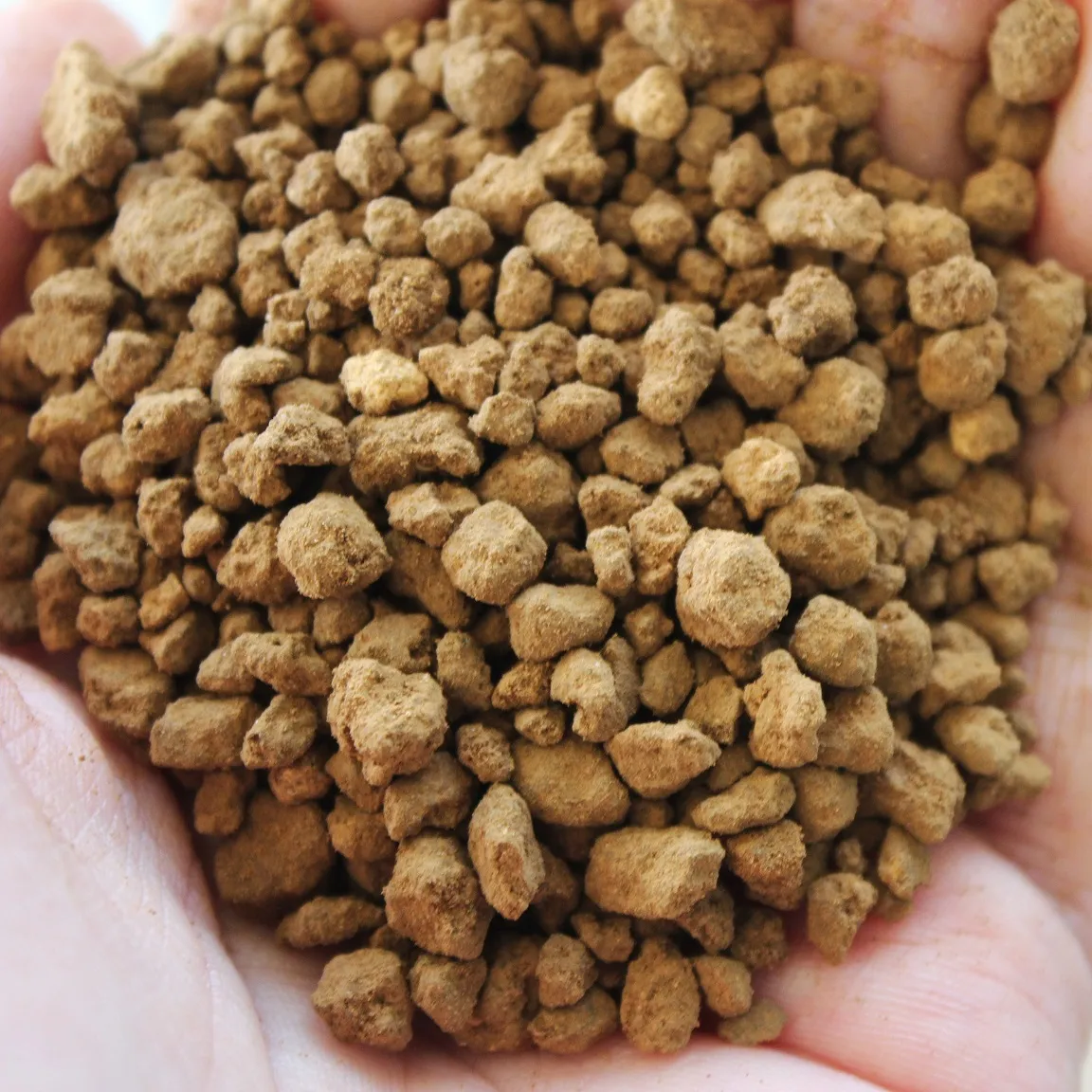
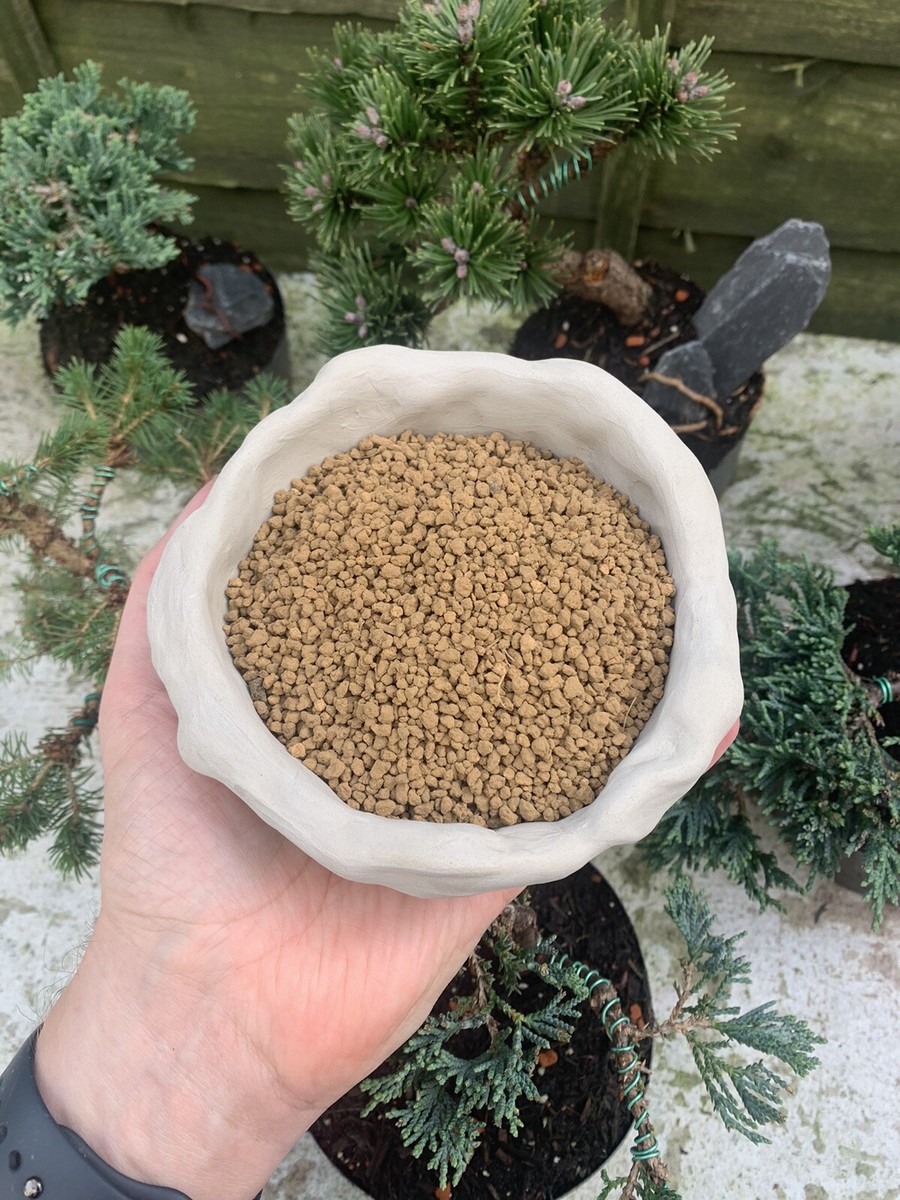
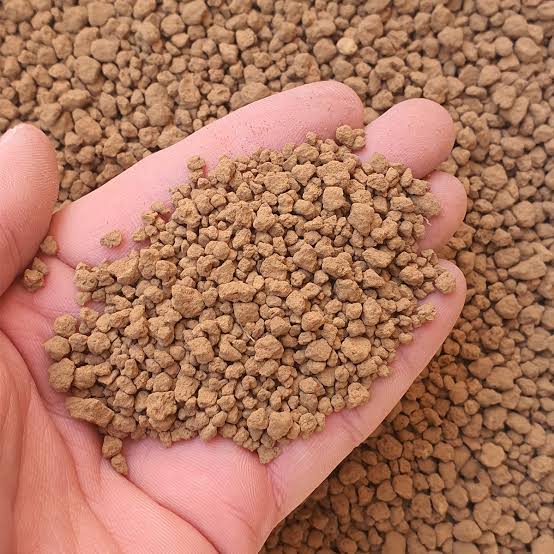
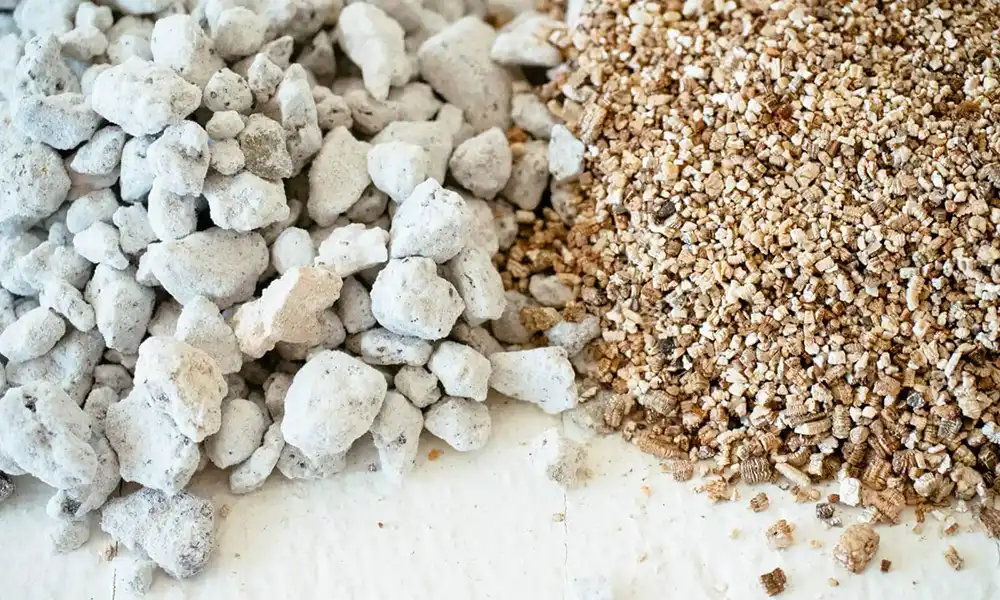
Akadama is a Japanese granular clay material commonly used in bonsai growing media. It is valued for its balance of moisture retention, drainage and structure.
Pumice is a porous volcanic material. Its structure makes it useful where aeration, drainage and long-lasting physical support within the mix are important.
These materials can complement each other because they influence different parts of the growing environment.
The Difference Between Choosing a Soil and Building a Soil System
A bonsai soil recipe can tell you what ingredients to measure.
It does not always explain why those ingredients are included.
The more useful question is what each component contributes to the finished substrate.
For example, changing the balance between Akadama and pumice can affect:
- how much moisture the mix retains
- how much air space remains around roots
- how quickly water moves through the pot
- how the substrate behaves over time
The right balance depends on factors such as species, root development, pot depth, growing conditions and watering habits.
The mix is a system. Every component influences that system.
Akadama Brings Moisture Management and Granular Structure Into the Mix
How Akadama Behaves Around Bonsai Roots
Akadama is widely associated with bonsai because its granular structure helps growers create a more controlled root environment.
Water can move between the particles while the material itself retains moisture within the growing medium. The spaces between particles also contribute to airflow around the roots.
This balance is important in shallow containers.
A bonsai needs access to moisture, but a substrate also needs to avoid remaining excessively wet for extended periods. Akadama gives growers a way to influence these conditions through particle size, mix composition and watering practices.
Akadama is best viewed as a component within a wider substrate plan. Its role is to help create the growing conditions the bonsai requires.
Pumice Keeps a Bonsai Mix Open, Porous and Structurally Useful
Why Pumice Is Valuable for Drainage and Aeration
Pumice is a porous volcanic material with a structure that makes it useful in bonsai growing media.
Its pores and mineral form can contribute to airflow, drainage and the physical structure of a substrate.
The relationship between pore size and drainage is well established in soil science. The University of New England notes that pores larger than 30 µm in diameter cannot retain water against the downward pull of gravity, while smaller pores hold water more tightly. This helps explain why the size and arrangement of spaces within a growing medium can influence both water retention and drainage.
In a bonsai mix, pumice provides another way to maintain an open growing environment around the roots.
Its mineral structure also makes it a useful partner for materials with different characteristics, allowing growers to adjust how the finished substrate behaves.
Where Japanese Hyuga Pumice Fits Into a Bonsai Substrate
Our mineral growing media range includes Japanese Hyuga pumice in a 3–6mm grade. It can be used in bonsai substrate mixes and combined with other similarly graded mineral materials.
Matching particle sizes can help create a more consistent structure throughout the pot.
Consistency matters because a substrate made from similarly sized particles behaves differently from one containing a large amount of fine material.
Akadama vs Pumice Side by Side: Where the Differences Actually Matter
Akadama and pumice can both play valuable roles in a bonsai substrate, but they influence the mix in different ways.
The better choice depends on what you want the material to contribute.
| Comparison | Akadama | Pumice |
| Material | Granular Japanese clay material | Porous volcanic material |
| Moisture behaviour | Helps retain moisture within a granular structure | Porous particles can hold moisture while maintaining an open structure |
| Drainage | Supports water movement through particle spacing | Useful for creating drainage and maintaining an open mix |
| Aeration | Helps create air spaces within a properly graded substrate | Particularly useful for maintaining porosity around roots |
| Structural behaviour | Can gradually change as particles weather and break down | Generally maintains a firm mineral structure |
| Typical role | Balancing moisture retention, drainage and root-zone conditions | Supporting aeration, drainage and long-term substrate structure |
Neither material is a universal replacement for the other.
The useful question is which characteristics you need to emphasise in your bonsai mix.
Should You Choose Akadama or Pumice for Your Bonsai?
Choose More Akadama When Moisture Balance Is a Bigger Priority
A grower may choose a greater proportion of Akadama when maintaining accessible moisture is an important part of the substrate strategy.
However, the decision depends on the complete growing setup.
A bonsai in a small container may dry differently from one in a larger training pot. A grower who checks moisture frequently may manage a different mix from someone with a different watering routine.
Akadama provides another way to adjust the balance of the substrate.
The right choice depends on the tree and the conditions you can provide.
Choose More Pumice When Aeration and Drainage Need More Emphasis
Pumice can be useful when maintaining open spaces and encouraging water movement are important goals.
Its porous structure and mineral form make it a useful component in mixes where aeration and drainage need greater emphasis.
Pumice can also support the physical structure of a substrate containing other materials.
As with any component, the proportion matters. Adding more pumice changes how the entire mix behaves, so the decision should consider:
- the tree
- the container
- watering routine
- other substrate components
Sometimes the Best Answer Is Akadama and Pumice Together
Combining Bonsai Soil Components With a Clear Purpose
Akadama and pumice are often discussed together because their characteristics can complement each other.
Akadama contributes granular structure and moisture-management characteristics.
Pumice contributes porosity, drainage and structural support.
Combining them gives growers more control over the finished substrate rather than relying on a single material to perform every role.
The ratio is a decision, not a rule.
Start with the growing conditions you want to create, then adjust the ingredients accordingly.
Where Does Lava Rock Fit Into an Akadama vs Pumice Mix?
The Akadama vs lava rock comparison introduces another mineral component that some growers consider when building bonsai substrates.
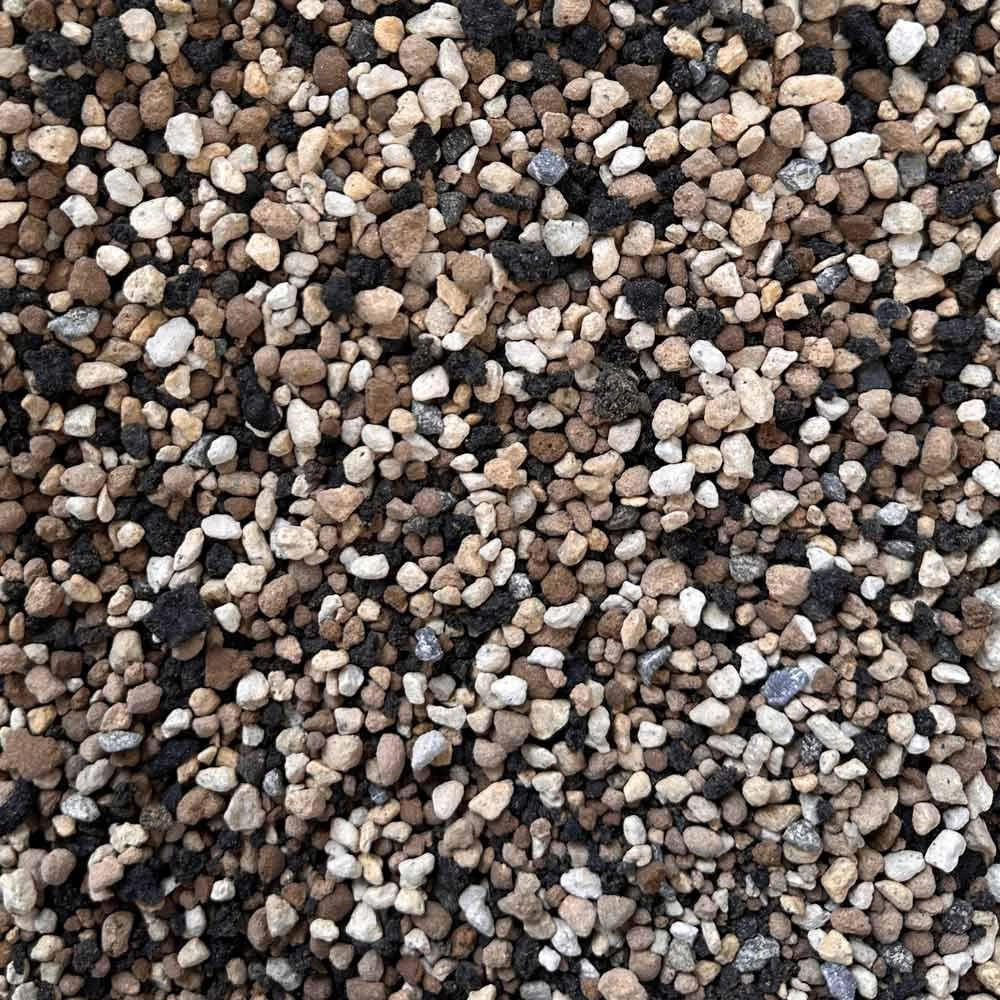
Lava rock, commonly sold in horticultural applications as materials such as scoria, provides another option for adjusting the physical structure of a mix.
Our mineral growing media range includes Akadama, Japanese Hyuga pumice and scoria options, giving growers different components to consider when creating a substrate.
Lava Rock Adds Another Structural Option
Lava rock can provide a firm granular component within a bonsai mix.
It overlaps with pumice in areas such as drainage and structure, but each material has different physical characteristics.
The important consideration is not simply the name of the ingredient. It is the role that ingredient plays within the finished substrate.
Before adding a component, understand what it contributes.
Akadama vs Pumice vs Lava Rock Is a Three-Way Design Decision
Adding more materials creates more ways to adjust a bonsai mix.
It can also make a substrate unnecessarily complicated.
Each ingredient should have a clear purpose.
A simple mix built around the needs of the tree is often more useful than a complicated recipe where the reason for each component is unclear.
Build Your Bonsai Soil Mix Around the Tree, Pot and Growing Conditions
Tree Species and Root Behaviour Change the Equation
Different bonsai species have different requirements.
Water needs, root growth, development stage and tolerance for moisture can all influence which substrate components are suitable.
A developing tree may be managed differently from a refined bonsai in a shallow display container.
This is why a mix that works well for one tree should not automatically be treated as the answer for every bonsai.
Pot Depth, Watering Frequency and Growing Conditions Matter Too
The container and growing environment influence how a substrate performs.
A shallow pot contains less growing medium and can respond quickly to changes in watering and conditions.
Your watering routine also affects which balance of moisture retention, drainage and aeration works best.
Our approach is to consider the role of each component, then match the substrate to the tree and the conditions it will be grown in.
Compare the Components Before You Copy Someone Else’s Bonsai Soil Recipe
A published bonsai soil recipe can provide a useful starting point.
However, it cannot account for every growing situation.
It does not know:
- the species of tree
- the depth of the pot
- the condition of the roots
- the growing environment
- how often the tree can be watered
That is why comparing Akadama vs pumice is more useful than simply copying a fixed formula.
Choose Akadama based on the moisture behaviour and structure you want from the substrate.
Choose pumice based on the porosity, drainage and physical support you want to add.
Add lava rock or other mineral components only when they contribute something useful to the mix.
The goal is not to create the most complicated substrate.
The goal is to create a substrate where every component has a clear purpose.
Before You Decide Between Akadama and Pumice, Answer These Questions
Is Akadama better than pumice for bonsai?
There is no universal winner.
Akadama and pumice influence a bonsai substrate differently. The right choice depends on factors such as moisture retention, drainage, aeration, structure, the tree being grown and the conditions it will be kept in.
Can I use pumice instead of Akadama?
Pumice can be used as part of bonsai substrate mixes, but replacing Akadama with pumice changes how the finished mix behaves.
Consider how that change affects moisture retention, airflow, drainage and watering requirements before treating the materials as direct substitutes.
Can Akadama and pumice be mixed together?
Yes.
Akadama and pumice are often combined because their characteristics can complement each other.
The most suitable balance depends on:
- the tree
- the pot
- growing conditions
- watering routine
- other substrate components
Does Akadama hold more water than pumice?
Akadama is valued for its ability to retain moisture within a granular substrate.
Pumice is porous and can also interact with water while helping maintain air space within the mix.
The final behaviour depends on particle size, material characteristics and the overall substrate composition.
What does lava rock add to a bonsai soil mix?
Lava rock can provide another mineral component for adjusting drainage and structure within a bonsai substrate.
It can overlap with pumice in some areas, but each material has different physical characteristics.
The important question is what role the material plays within the final mix.
What is a good Akadama and pumice ratio?
There is no single ratio that works for every bonsai.
The useful balance depends on:
- tree species
- development stage
- pot size
- growing conditions
- watering habits
Choose the ratio based on the growing environment you want to create.
Should beginners use Akadama, pumice or both?
Beginners can work with either material or combine them.
Understanding what each component contributes is more valuable than memorising a standard recipe.
A simple mix with a clear purpose is easier to understand and adjust over time.
Choose the Material That Solves the Right Problem
The most useful question in an Akadama vs pumice comparison is:
What are you trying to achieve inside the pot?
Akadama provides a granular bonsai medium with moisture-management characteristics.
Pumice provides a porous mineral component that supports drainage, aeration and substrate structure.
Many bonsai mixes benefit from having access to both sets of characteristics.
The proportions come afterwards.
Start with the tree. Consider the pot, roots, growing conditions and watering routine. Then choose the components that create the environment you want.
That approach gives each ingredient a purpose instead of simply following someone else’s recipe.
Choose Bonsai Soil Components With a Clear Purpose
Akadama and pumice are not competing materials where one must replace the other.
They are different tools that can help growers create a suitable bonsai substrate.
Understanding how each component behaves makes it easier to build a mix around the needs of the tree rather than relying on a fixed formula.
You can explore our Japanese Akadama, Hyuga pumice and wider mineral growing media range when planning your next bonsai substrate.