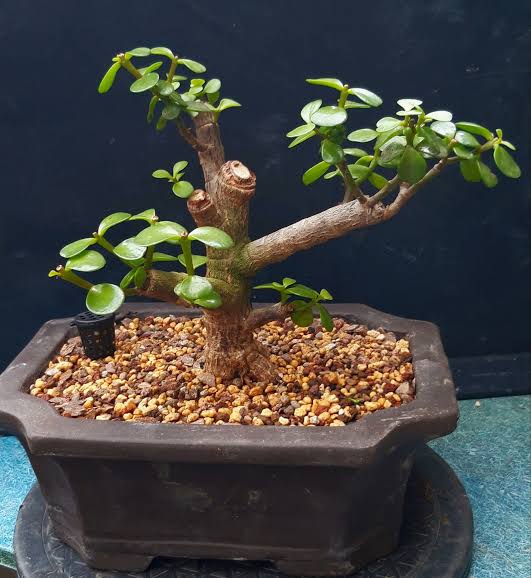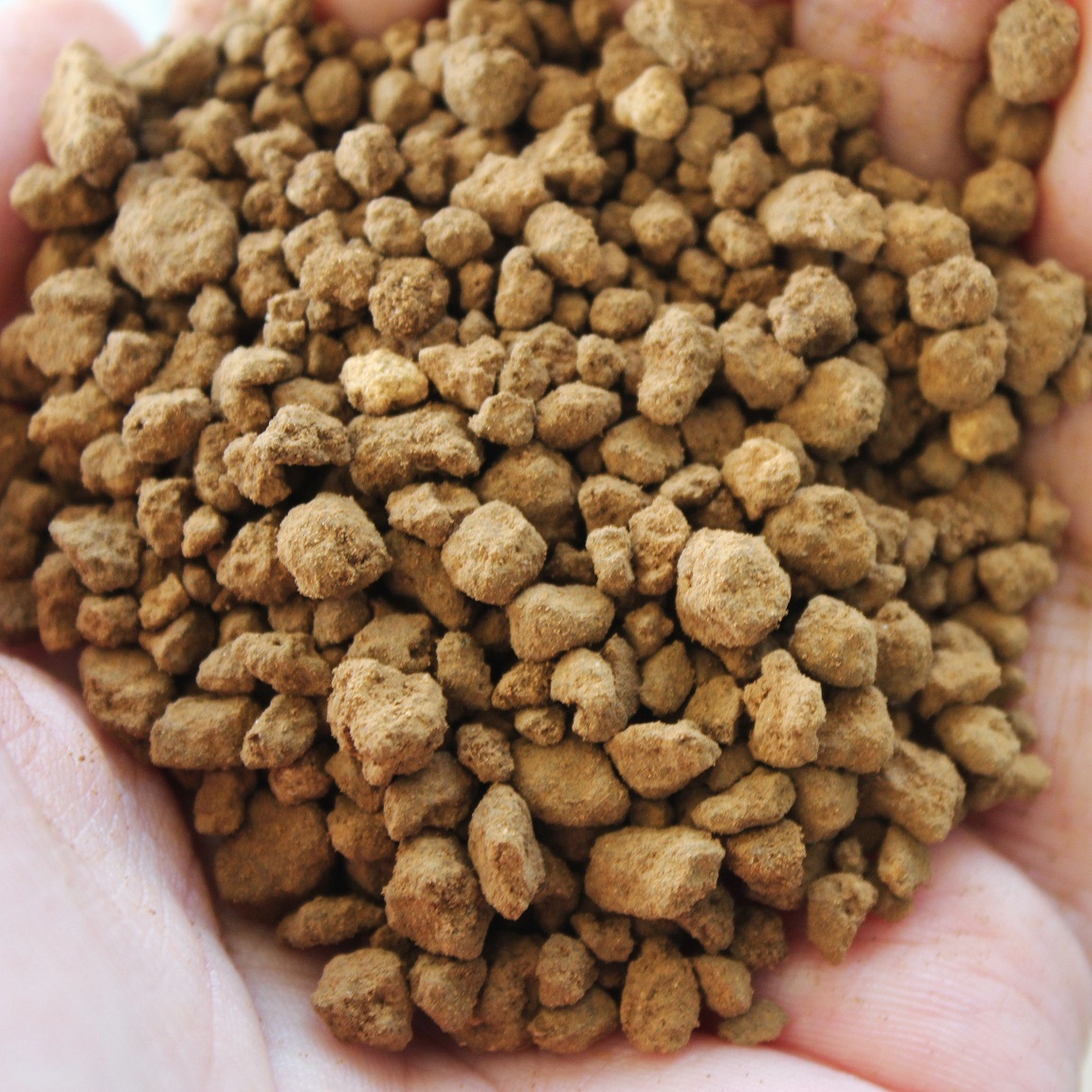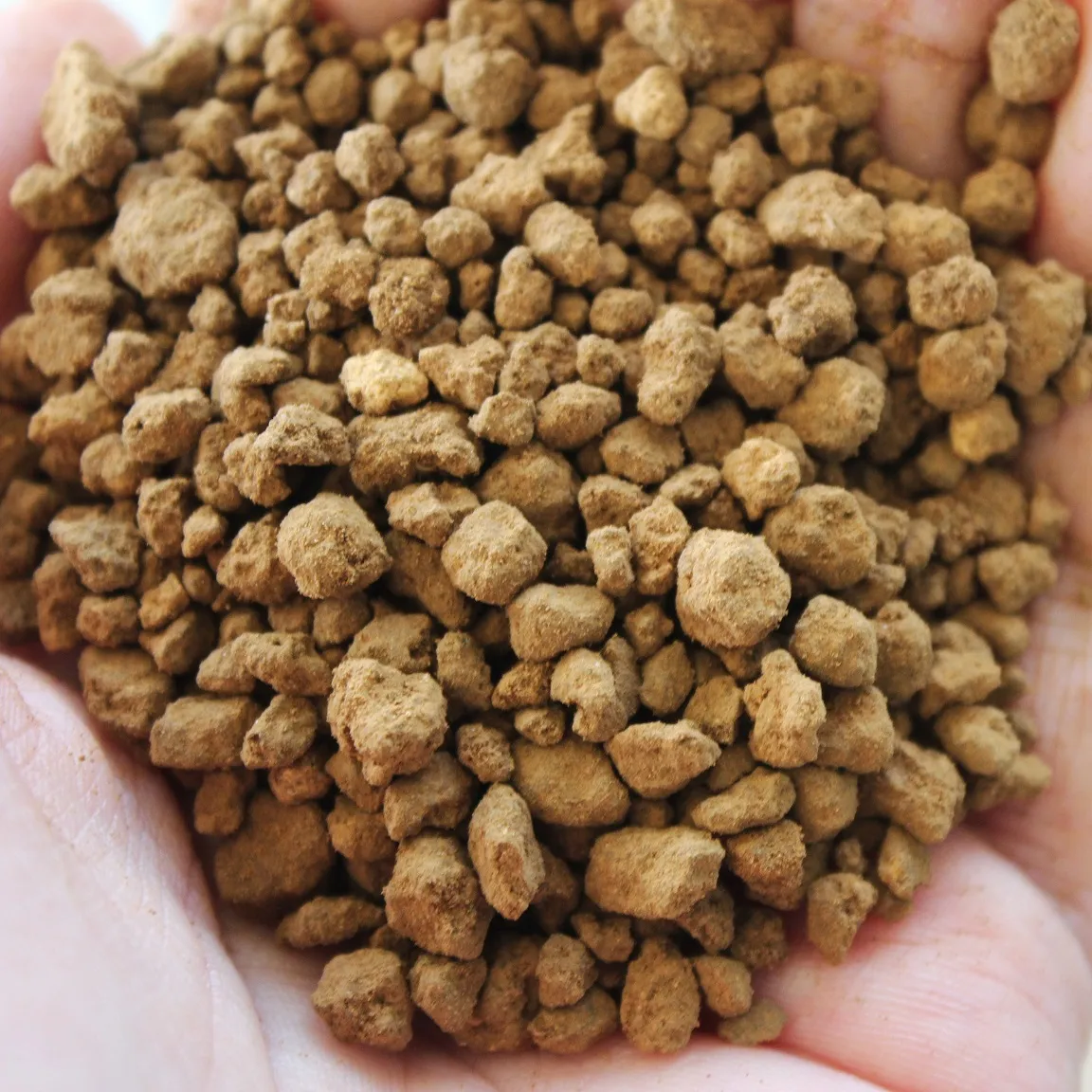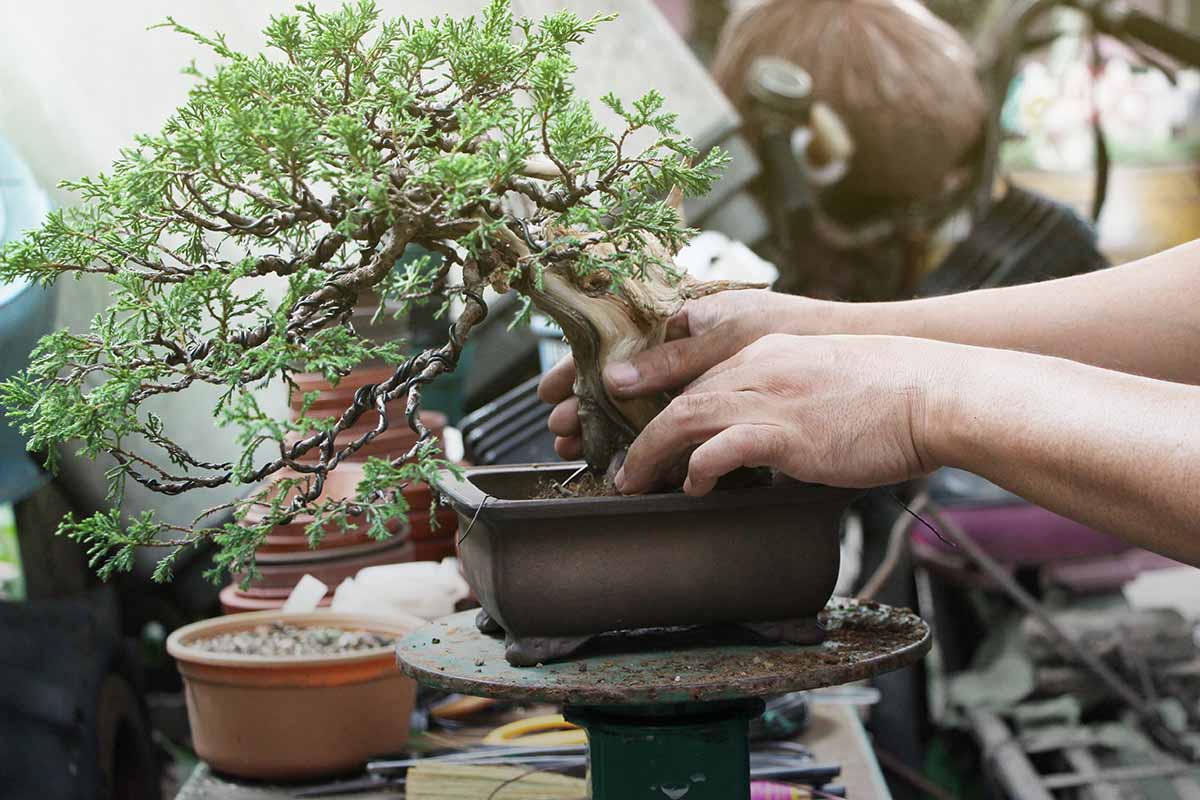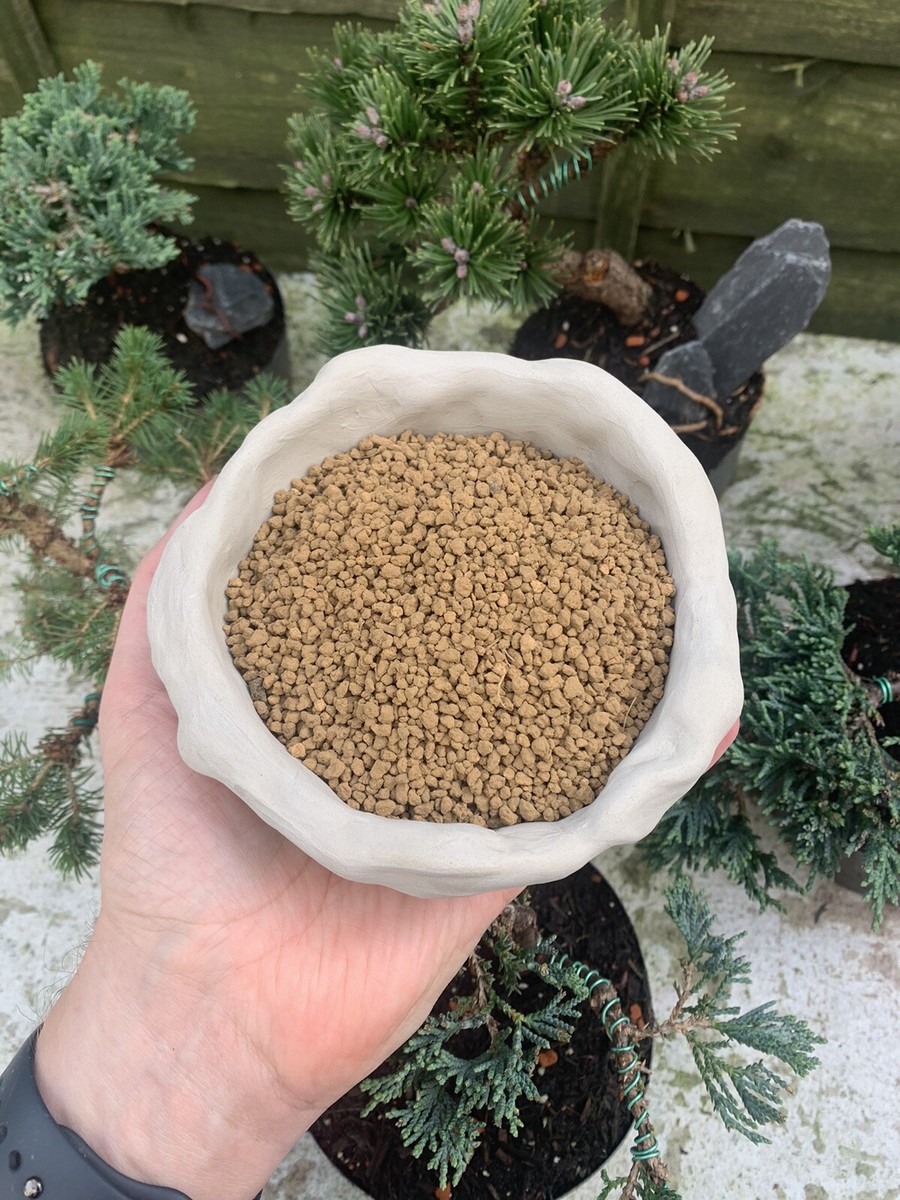
Akadama vs Kanuma are both Japanese bonsai substrates, but they are chosen for different reasons.
Akadama is the more flexible option for a wide range of bonsai applications. Kanuma is a specialist acidic medium commonly used for azaleas and other acid-loving plants.
The better choice depends on the conditions you want to create around the roots.
Species, substrate acidity, particle size, moisture behaviour and pot depth all influence the decision.
A material is not automatically better because it is popular. The right substrate is the one that supports the requirements of the tree.
Quick Answer: Akadama or Kanuma?
| Choose | Best suited for |
| Akadama | A broad range of bonsai applications where a flexible mineral substrate is required |
| Kanuma | Acid-loving bonsai such as azaleas and plants that benefit from a lower-pH growing medium |
Both materials are valuable. They simply perform different roles.
Akadama vs Kanuma Starts With the Species
Before choosing a substrate, start with the tree.
Bonsai roots grow within a restricted volume of growing medium. In a shallow container, differences in particle size, drainage and moisture retention can become more noticeable because there is less substrate available to balance those conditions.
The chemical environment matters too.
For species that prefer acidic conditions, substrate pH becomes part of the growing decision rather than an afterthought.
The question is not:
“Which material is better?”
It is:
“Which material creates the conditions this tree needs?”
Both Materials Give More Control Over the Root Zone
Mineral bonsai substrates allow growers to influence the physical conditions around the roots more precisely than dense general-purpose potting mixes.
Akadama provides a granular clay-based medium that can retain useful moisture while allowing excess water to move through the container.
Kanuma is lighter, softer and naturally acidic. It also provides an open structure suited to plants with particular root-zone requirements.
Both materials can support healthy root conditions.
The difference is the type of environment each material helps create.
Similar Particle Sizes Can Hide Important Differences
Our range includes both Akadama and Kanuma in 3–6mm grades.
Although the particle size may look similar, the materials have different characteristics.
Important differences include:
- acidity
- hardness
- moisture behaviour
- resistance to breakdown
- how they influence the finished substrate
In bonsai, the material itself matters as much as the number printed on the bag.
A substrate experiences repeated watering, root growth, fertilising and seasonal changes. Over time, those conditions influence how the material performs inside the pot.
Why Akadama Is the More Flexible Bonsai Substrate
Akadama is one of the best-known Japanese bonsai media because it works across a wide range of substrate systems.
It provides a structured granular component that can be used alone in some growing methods or combined with other mineral materials.
How Akadama Behaves Around Bonsai Roots
Akadama can hold useful moisture within its particles while maintaining spaces for drainage and airflow.
That balance makes it a practical option for shallow bonsai containers.
A good substrate needs to manage several factors:
- moisture availability
- excess water movement
- air space around roots
- particle structure
Particle grade affects this balance.
A coarse, well-graded substrate behaves differently from one containing large amounts of fine material. Fines can fill spaces between larger particles and change how water moves through the mix.
For that reason, Akadama should be considered as part of a complete substrate system rather than a solution that automatically fixes drainage problems.
Its Wider Species Range Is the Practical Advantage
Akadama is often the more flexible choice when strong acidity is not a key requirement.
It can form the base of a mineral bonsai mix and be adjusted with materials such as pumice, scoria or other components depending on the tree.
This flexibility is useful for growers managing different species.
One tree may benefit from greater moisture buffering. Another may require a more open, faster-draining mix.
Akadama allows growers to adjust the substrate without limiting the mix to a narrow group of plants.
Why Choose Kanuma for Acid-Loving Bonsai
Kanuma becomes the specialist choice when acidity is an important part of the growing environment.
Our Japanese Kanuma has a pH of approximately 5.5 and is particularly suited to acid-loving bonsai such as azaleas.
Soil pH influences nutrient availability and how effectively plants can access essential elements. Australian Government soil guidance highlights that plant growth is affected by soil chemical conditions, which is why selecting a substrate with suitable acidity can be an important consideration for species with specific pH preferences.
That is one of the key differences between Kanuma and Akadama.
Azaleas Put Kanuma’s Acidity to Work
Azaleas are closely associated with Kanuma because they favour acidic root-zone conditions.
Using an acidic substrate allows growers to consider that preference from the beginning of the repotting process.
However, acidity is only one part of the decision.
The roots still need:
- suitable drainage
- moisture balance
- airflow
Kanuma combines acidic characteristics with a lightweight granular structure, making it a specialist option for suitable plants.
Kanuma’s Soft, Airy Structure Matters Too
Kanuma is often recognised for its acidity, but its physical characteristics are also important.
It is lightweight and comparatively soft, with a granular structure that helps create an open root environment while retaining useful moisture.
These properties influence:
- watering decisions
- repotting timing
- how the substrate changes over time
A softer material does not behave exactly like a harder mineral aggregate.
Growers should observe the condition of the substrate, drainage performance and root development rather than assuming the material will remain unchanged indefinitely.
Akadama vs Kanuma Side by Side
Akadama and Kanuma are both specialist Japanese bonsai substrates, but their strengths make them suitable for different situations.
The comparison is not about finding a winner. It is about choosing the material that creates the right conditions for the tree.
| Characteristic | Akadama | Kanuma |
| Main use | Broad bonsai substrate applications | Specialist applications, particularly acid-loving bonsai |
| Acidity | Less acidic | More acidic, approximately pH 5.5 in our Japanese Kanuma |
| Structure | Granular clay-based material | Lightweight, soft and airy material |
| Moisture behaviour | Holds useful moisture while supporting drainage | Holds moisture within an open acidic substrate |
| Species range | Suitable across a broad range of bonsai | Particularly suited to azaleas and other acid-loving plants |
| Main selection factor | Flexible control of root-zone structure and water balance | Root-zone structure combined with a stronger acidity requirement |
This is not a ranking.
Akadama covers a broader range of bonsai situations. Kanuma becomes the more suitable option when the species has a clear preference for acidic growing conditions.
Choose Akadama for a Broader Mineral Bonsai Substrate
When a species does not have a strong requirement for acidic media, Akadama often provides greater flexibility.
It can be adjusted through particle size and combined with other mineral materials depending on the tree, container and growing conditions.
Particle Grade Still Changes the Result
Akadama is available in different particle grades, and those grades influence how the finished substrate behaves.
Smaller particles create smaller spaces within the mix. Larger particles generally create a more open structure.
The best choice depends on:
- tree size
- root density
- pot dimensions
- other substrate components
- watering frequency
Dust and fine particles also deserve attention.
A product labelled as 3–6mm can behave differently if a large amount of smaller material remains mixed through the substrate.
For that reason, it is useful to consider the overall particle distribution rather than only the label.
Choose Kanuma When Lower Root-Zone pH Is Part of the Plan
Kanuma makes sense when acidity is an intentional part of the substrate decision.
Its acidic nature is one of the main reasons it is associated with azaleas and other acid-loving plants.
Azalea Bonsai Are the Clearest Example
For azalea bonsai, Kanuma offers a combination of acidic conditions and a granular physical structure.
That allows the substrate to be built around the species rather than forcing the tree into a general bonsai formula.
The same principle can apply to other acid-loving plants.
However, the complete growing environment still matters.
Factors such as:
- irrigation water
- fertiliser
- pot dimensions
- climate
- watering routine
all influence the conditions around the roots.
Kanuma provides one important part of that system.
Acidity Still Has to Work With Drainage and Air Space
A suitable pH does not replace good substrate structure.
Water still needs to move through the container.
Air still needs to remain available around the roots.
The substrate also needs to retain enough moisture to support the tree between watering cycles.
This is where Kanuma’s physical structure matters as much as its acidity.
The best substrate choice balances both sides of the growing environment.
Can Akadama and Kanuma Be Mixed?
Yes.
There are situations where combining Akadama and Kanuma can make sense, especially when growers want to adjust both the physical characteristics and acidity of the finished substrate.
The important point is that each component should have a clear purpose.
Give Each Component a Defined Job
Before mixing Akadama and Kanuma, consider what change the Kanuma is intended to make.
Ask:
- Is the goal to increase acidity?
- Is the aim to adjust moisture behaviour?
- Is the particle structure changing?
- Does the species require different root-zone conditions?
A substrate becomes easier to refine when every component has a reason for being included.
Let the Species Determine the Balance
There is no single Akadama-to-Kanuma ratio that suits every bonsai.
The balance depends on:
- the species
- the container
- the root system
- local growing conditions
- watering routine
The same tree may require different substrate decisions at different stages of development.
A tree in a training container may be managed differently from one in a shallow refinement pot.
Substrate design should change as the needs of the tree change.
Where Pumice Fits Into the Comparison
Akadama and Kanuma are often the main materials discussed when comparing Japanese bonsai substrates, but other mineral components can also influence the final mix.
Japanese Hyuga pumice provides another option for adjusting substrate structure and porosity.
Each material has a different role:
| Material | Main role |
| Akadama | Flexible Japanese bonsai growing medium |
| Kanuma | Acidic option for suitable plants |
| Japanese Hyuga pumice | Mineral component used to influence porosity and structure |
A bonsai mix does not need every available material.
Adding more ingredients only makes sense when each one changes the substrate in a useful way.
A simple mix designed around the tree is often more effective than a complicated recipe without a clear purpose.
Continuing with the rewritten article:
Pot Depth and Watering Change the Comparison
Akadama and Kanuma do not work independently from the container or the way the tree is maintained.
The same substrate can behave differently depending on the pot, environment and watering routine.
Bonsai pots make these differences easier to notice because they contain a limited amount of growing medium.
Shallow Pots Highlight Substrate Differences
A shallow pot contains less substrate volume than a larger container.
This can mean:
- moisture changes more quickly
- roots occupy the available space faster
- particle structure has a greater influence on the growing environment
Small differences in substrate behaviour can become more noticeable between repotting cycles.
If water begins moving through the pot differently, or areas of the substrate remain wet for longer than expected, those observations can help guide future substrate decisions.
Repotting provides an opportunity to inspect the condition of the growing medium and adjust where needed.
Your Watering Routine Should Influence the Choice
A substrate needs to suit the way the tree is maintained.
A very open mineral mix may work well when watering can be adjusted around the needs of the tree.
A grower looking for greater moisture retention may approach the mix differently.
Environmental conditions also influence the result.
Factors such as:
- heat
- wind exposure
- pot size
- watering frequency
all affect how quickly a substrate dries.
The right comparison is not simply Akadama versus Kanuma.
It is how each material performs within the complete growing system.
Compare the Materials Before the Next Repot
Choosing between Japanese bonsai substrates becomes easier when the decision is broken down.
Start with the species.
Then consider:
- whether acidic conditions are required
- particle grade
- pot depth
- root development
- moisture requirements
- watering routine
Only after those factors are understood should the material be selected.
Akadama provides a flexible option for a wide range of bonsai applications.
Kanuma provides a specialist option when acidic growing conditions are important.
We stock Akadama and Kanuma alongside Japanese Hyuga pumice, scoria and other specialist mineral growing media, allowing growers to select individual components based on the role they need to perform.
Seven Questions to Settle Before Choosing Akadama or Kanuma
Is Kanuma better than Akadama for bonsai?
No single material is better for every bonsai.
Akadama has broader use across many bonsai species, while Kanuma has a more specialised role and is particularly suited to acid-loving plants such as azaleas.
The species and desired root conditions should guide the choice.
Is Kanuma more acidic than Akadama?
Yes.
Our Japanese Kanuma has a pH of approximately 5.5 and is more acidic than Akadama.
This difference is one of the main reasons Kanuma is associated with azalea bonsai and other acid-loving plants.
Should I use Kanuma for azalea bonsai?
Kanuma is a strong option for azaleas because it combines acidic characteristics with a lightweight granular structure.
However, pot size, watering routine and the rest of the substrate system still need to be considered.
Can I use Akadama for azaleas?
Akadama can be used in bonsai substrates, but azaleas have specific acidic growing requirements that should be considered within the complete root environment.
The suitability of the finished mix matters more than any single ingredient.
Can Akadama and Kanuma be mixed together?
Yes.
Combining them can allow growers to adjust both the physical structure and acidity of the substrate.
The ratio should have a clear purpose and reflect the requirements of the tree.
Which is softer, Akadama or Kanuma?
Kanuma is generally characterised by a softer, lighter structure.
That difference can influence how each material behaves over time in a bonsai pot.
Where can I compare Akadama and Kanuma in Australia?
We stock both Japanese Akadama and Kanuma at Ashi Homes & Gardens, along with Japanese Hyuga pumice, scoria and other specialist mineral growing media for bonsai substrate preparation.
Choose the Japanese Substrate That Fits the Tree
The difference between Akadama vs Kanuma is practical.
Akadama provides a versatile Japanese bonsai medium that gives growers flexibility with structure, moisture and drainage across a broad range of trees.
Kanuma has a narrower but important role. Its acidic character and lightweight structure make it particularly suited to azaleas and other plants that favour lower-pH growing conditions.
Neither material should be chosen simply because it is well known.
Look at the species.
Consider the roots, pot and watering routine.
Think about acidity, water movement and air space.
Then choose the substrate that creates the conditions the tree needs.
For your next repot, compare our Japanese Akadama, Kanuma and wider bonsai growing-media range and select each component for the role it needs to perform.