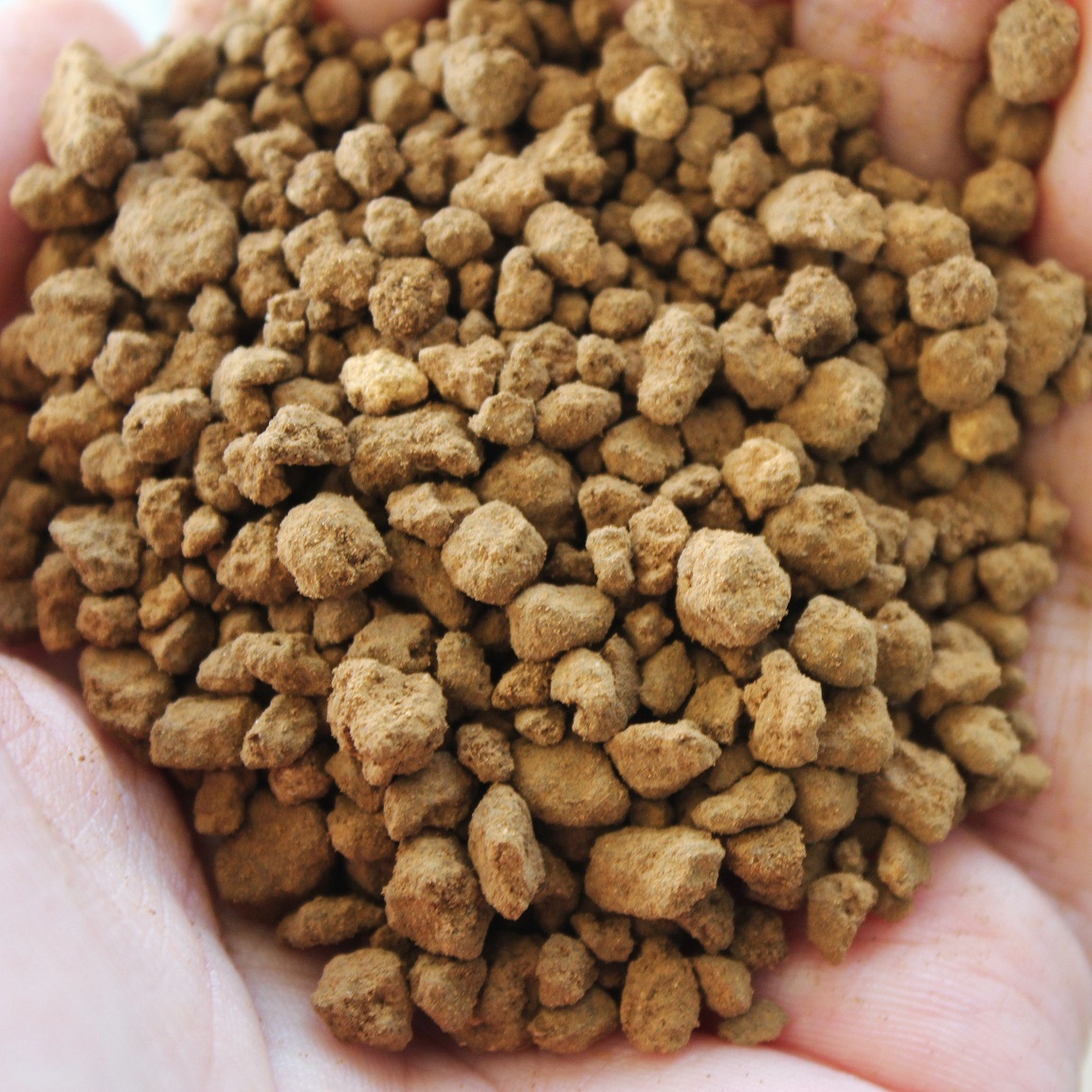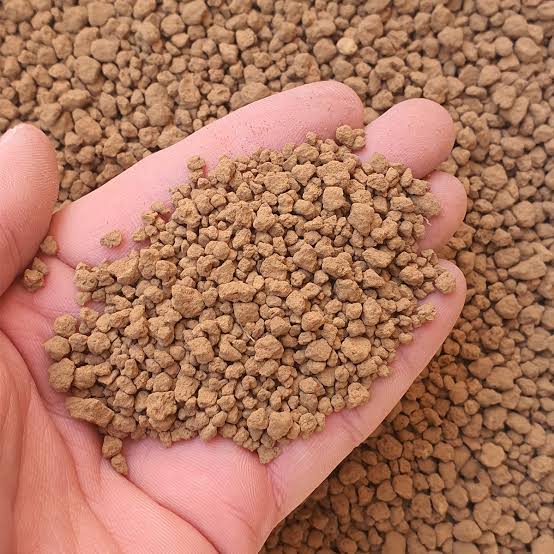
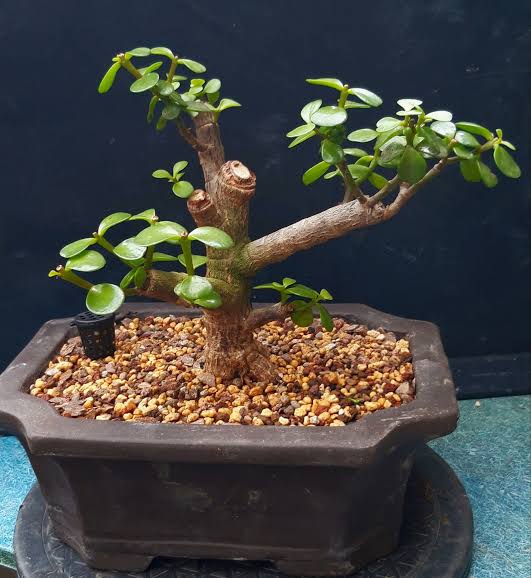
Kanuma soil is a lightweight Japanese volcanic growing medium best known for acid-loving bonsai such as azaleas.
It is often mentioned alongside Akadama, pumice and other specialist mineral growing media, but these materials do not all perform the same role.
The important question is not simply “What is Kanuma soil?”
It is:
“What conditions does Kanuma help create around the roots, and does that suit the plant you are growing?”
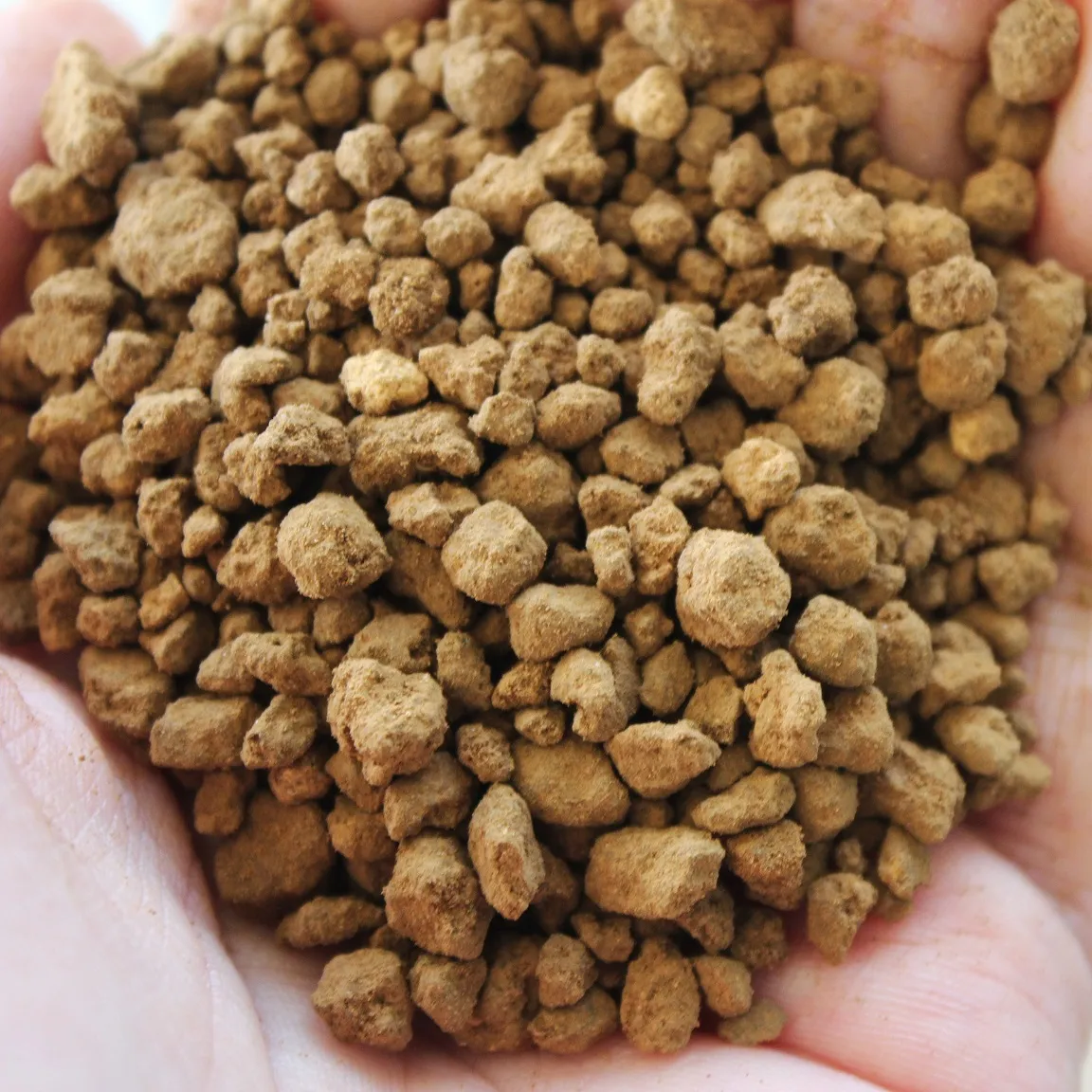
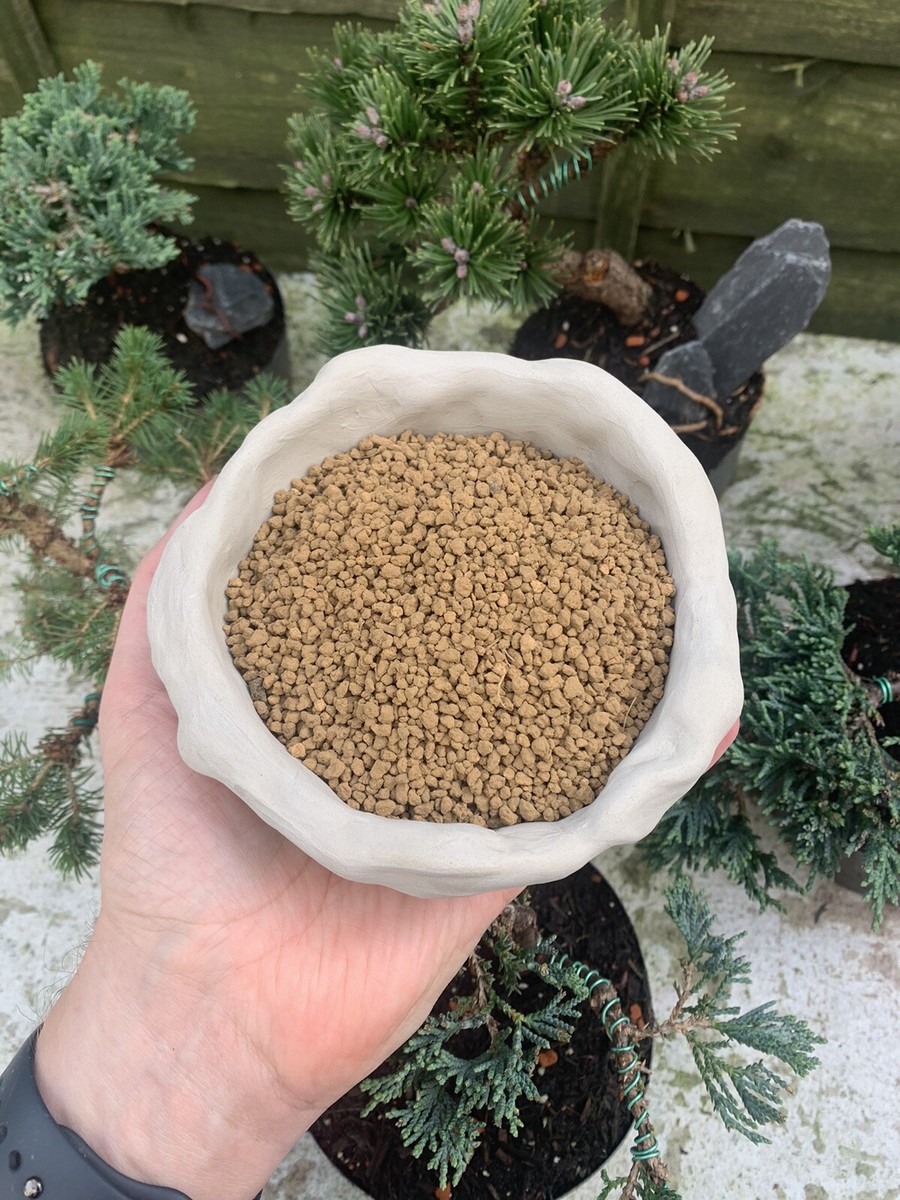
Kanuma has a pale yellow colour, granular structure and naturally acidic character. At Ashi Homes & Gardens, we stock Kanuma in a 3–6mm particle grade, giving growers a specialist mineral medium for suitable bonsai and container-growing applications.
A product label tells you what the material is. The plant tells you whether it belongs in the pot.
What Is Kanuma Soil? Start With What Makes It Different
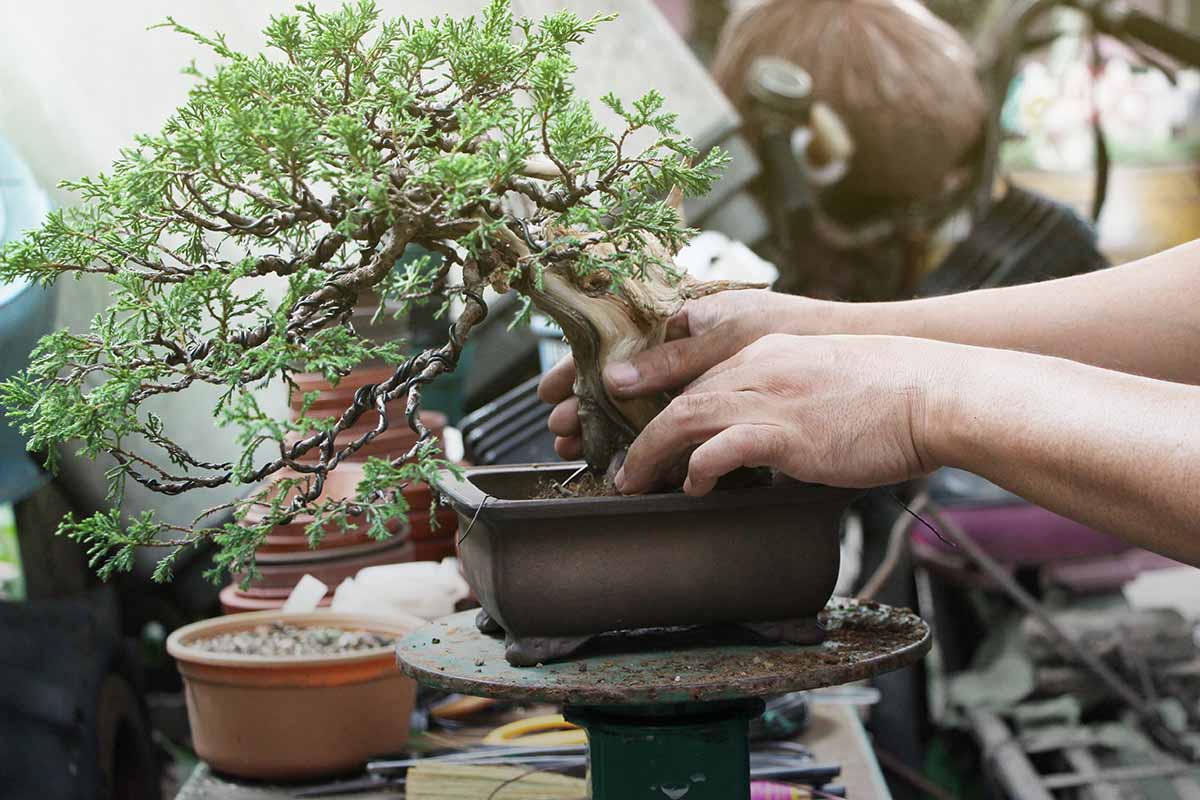
Kanuma is a Japanese volcanic growing medium used in bonsai and other specialised container-growing applications.
Unlike traditional garden soil, Kanuma is made up of individual granular particles. Its structure, acidity and lightweight nature are the reasons it is considered a specialist growing medium.
Kanuma is a lightweight Japanese volcanic growing medium
Kanuma has several characteristics that influence how it behaves in a container:
- lightweight structure
- pale yellow appearance
- granular particles
- naturally acidic properties
Our current Kanuma product is supplied in a 3–6mm particle grade, providing a defined structure that growers can consider when building a bonsai substrate.
The spaces between particles influence how water and air move through the growing medium. This is one reason bonsai growers pay close attention to particle size and substrate structure.
Why calling Kanuma “soil” can cause confusion
The term Kanuma soil is commonly used because the material surrounds plant roots and forms part of the growing substrate.
However, it behaves differently from the dark garden soil many people picture when they hear the word “soil”.
Kanuma is a granular mineral growing medium. It is commonly used as a specialist substrate or as part of a planned mix alongside other materials.
For bonsai growers, the important factors are not just the name of the product. They are:
- drainage
- moisture behaviour
- airflow around roots
- particle structure
- suitability for the plant
Roots Explain Why Growers Choose Kanuma
A growing medium has a practical purpose.
It creates the environment where roots need to function, and the characteristics of that environment change depending on the material used.
For container plants, important considerations include:
- how much moisture remains after watering
- how quickly excess water leaves the pot
- how much air remains around the roots
Kanuma provides another option for growers who need a lightweight, granular and acidic growing medium.
Its open structure changes the environment inside the pot
Particle structure influences what happens after watering.
A substrate made from individual granules creates spaces between particles. Those spaces affect how water moves through the container and how air returns after excess moisture drains away.
This is particularly relevant in bonsai because roots are growing in a restricted space.
A shallow pot gives the grower less substrate volume than an open garden bed, making the characteristics of the growing medium an important part of the overall growing environment.
Kanuma’s value comes from the combination of its physical structure and acidic properties.
Kanuma Is Acidic, and Plant Choice Matters
One of Kanuma’s defining characteristics is its acidity.
The Kanuma we stock is described at around pH 5.5, making it an acidic growing medium.
Soil pH influences how nutrients become available to plants and can affect overall growing conditions. Queensland Government soil guidance explains that strongly acidic soils can influence nutrient availability and plant growth, which is why matching pH conditions to the plant species is an important part of substrate selection.
That characteristic is one of the main reasons it is associated with particular plants.
What acidity means for the root zone
Different plants perform best in different growing conditions.
For acid-loving plants, the pH of the growing medium is one factor that can influence whether the substrate suits their requirements.
Kanuma’s acidic nature is one reason it is closely linked with azaleas and other acid-loving bonsai.
However, acidity is only one part of the growing environment.
The final result also depends on factors such as:
- particle size
- moisture management
- pot depth
- watering routine
- other substrate components
Specialist growing media still need to match the plant
A material becoming popular among bonsai growers does not mean it suits every plant.
Japanese growing media are valued because different materials offer different characteristics.
Kanuma provides:
- an acidic growing environment
- a lightweight granular structure
- a specialist option for suitable plants
The best approach is to understand what the plant needs before choosing the substrate.
Azaleas Show Kanuma at Its Most Familiar
When growers discuss Kanuma, one plant appears more often than almost any other:
Azalea.
This connection exists because azaleas are acid-loving plants, and Kanuma’s characteristics align with the type of growing environment they prefer.
Why Kanuma bonsai soil is closely associated with azaleas
Azaleas need more than the right pH.
Like all bonsai, they also grow within a limited container where moisture movement, drainage and airflow around the roots matter.
Kanuma combines:
- acidic properties
- lightweight structure
- granular particles
This makes it a natural material to consider when growing azalea bonsai.
The important point is not to choose Kanuma simply because it is commonly used. Choose it because its characteristics match the needs of the plant.
Kanuma Can Suit Plants Beyond Bonsai
Although Kanuma is strongly associated with bonsai, its use is not limited to trees trained in bonsai form.
Its acidic nature and granular structure can also make it relevant for selected acid-loving container plants.
The same decision process applies:
- Understand the plant’s requirements.
- Consider the growing conditions you need to create.
- Decide whether Kanuma helps achieve those conditions.
Acid-loving plants share some useful requirements
Plants adapted to acidic environments may have different growing requirements from plants that prefer a more neutral growing medium.
Kanuma gives growers another option when building a substrate for plants that benefit from acidic conditions.
However, pH is only one consideration.
A successful growing medium also depends on:
- moisture requirements
- particle structure
- aeration
- watering habits
- the other materials included in the mix
Kanuma may form a large part of one substrate or a smaller component of another.
The plant should guide that decision.
Succulents need a plant-specific decision
Kanuma is also used with some succulents because its lightweight, granular structure can contribute to an open growing medium.
That does not mean every succulent requires Kanuma.
Succulents vary widely in their natural growing conditions, root systems and moisture preferences.
Before adding Kanuma to a succulent mix, consider:
- the species being grown
- the container being used
- how quickly the pot dries
- your watering routine
The goal is not to use a particular material because it is popular. The goal is to choose materials that support the plant.
Kanuma vs Akadama: Similar Appearance, Different Roles
Kanuma and Akadama are often discussed together because both are Japanese granular growing media used by bonsai growers.
However, they are not the same material and they are not chosen for exactly the same reasons.
| Material | Key characteristic | Common association |
| Kanuma | Acidic Japanese granular growing medium | Acid-loving bonsai such as azaleas |
| Akadama | Japanese granular bonsai growing medium | A broad range of bonsai applications |
The distinction beginners should remember
The simplest difference is acidity.
Kanuma is more acidic and has a strong association with acid-loving bonsai.
Akadama is used across a wider range of bonsai-growing situations.
Neither material is automatically better.
The right choice depends on the plant and the growing conditions you are trying to create.
If acidity is an important part of the plant’s requirements, Kanuma becomes a relevant option. If not, another growing medium may be more suitable.
Should You Use Kanuma Alone or in a Mix?
There is no single Kanuma recipe that works for every plant or every growing situation.
Different growers use different combinations because conditions vary.
The most useful approach is to understand what each component contributes.
Build the substrate around the plant
Before deciding how much Kanuma to use, consider:
- the species being grown
- the container size
- your watering routine
- the role of each substrate component
Kanuma can be used as a major component in suitable growing systems or combined with other mineral media to adjust the final characteristics of the mix.
Other materials, such as Akadama, pumice and scoria, bring their own characteristics to a substrate.
The goal is not to include every available ingredient.
The goal is to create the conditions the plant needs.
Avoid treating one Kanuma recipe as universal
A mixture that works well for one grower may behave differently for another.
Factors such as climate, sunlight exposure, pot size and watering frequency can all influence how a substrate performs.
Instead of copying a formula without understanding it, consider the purpose of each material.
Ask:
- What does this ingredient contribute?
- Does the plant need more acidity?
- How should the substrate manage moisture?
- How much airflow does the root zone need?
A good mix has a reason behind every component.
Does Your Plant Actually Need Kanuma?
Buying Kanuma makes more sense when you understand what you want it to achieve.
Before repotting, ask a few simple questions.
Five questions to ask before repotting
| Question | Why it matters |
| Does the plant prefer acidic conditions? | Kanuma’s acidity is one of its defining characteristics. |
| What moisture conditions does the plant need? | The full substrate affects water behaviour. |
| Does the particle size suit the application? | Our Kanuma is supplied in a 3–6mm grade. |
| Will Kanuma be used alone or with other materials? | Other components influence the finished mix. |
| Does your watering routine suit the substrate? | Different mixes behave differently between waterings. |
Answering these questions helps you decide whether Kanuma has a useful role in your growing setup.
Choose Kanuma Because the Growing Conditions Call for It
Specialist growing media work best when there is a clear reason for choosing them.
Kanuma is not valuable simply because it is a well-known Japanese bonsai material. Its value comes from the characteristics it brings to a growing system:
- acidic properties
- lightweight structure
- granular particle size
At Ashi Homes & Gardens, we stock Kanuma alongside other mineral growing media, including Akadama, Japanese Hyuga pumice, scoria, zeolite, diatomite and other specialist products.
Having access to different materials allows growers to choose a substrate based on the needs of the plant rather than trying to make one material work for every situation.
Our current Kanuma product is supplied as a 3–6mm, 14L grade.
Availability can change, so we recommend checking the current product listing before planning a repot around a specific quantity.
If you are deciding whether Kanuma belongs in your mix, start with the plant’s preferred growing conditions. That usually provides the clearest answer.
Questions Plant Growers Usually Ask Once Kanuma Enters the Conversation
Is Kanuma soil the same as Akadama?
No.
Both are Japanese granular growing media used by bonsai growers, but they have different characteristics.
Kanuma is more acidic and is particularly associated with acid-loving plants such as azaleas. Akadama is used across a broader range of bonsai-growing applications.
Why is Kanuma commonly used for azalea bonsai?
Azaleas prefer acidic growing conditions, which is one reason Kanuma is closely associated with them.
Kanuma combines acidic properties with a lightweight granular structure that can support moisture movement and airflow around roots in a bonsai container.
What pH is Kanuma soil?
The Kanuma we stock is described at approximately pH 5.5.
This acidic characteristic is one of the main reasons it is commonly selected for acid-loving bonsai and plants.
Can I use Kanuma for plants other than bonsai?
Yes, where the plant’s requirements suit the material.
Kanuma can be considered for selected acid-loving container plants and some succulents. However, the species, container, watering routine and complete substrate mix should guide the decision.
Does Kanuma hold water?
Kanuma can retain moisture while its granular structure allows spaces for water movement and airflow within the root zone.
The final behaviour of the substrate depends on factors such as:
- particle size
- pot dimensions
- other materials in the mix
- watering routine
Can I mix Kanuma with Akadama or pumice?
Yes.
Growers may combine mineral media to adjust the structure and behaviour of the final substrate.
The right combination depends on the plant, growing conditions and the purpose of each material within the mix.
How do I know whether my plant needs acidic soil?
Start by checking the requirements of the species.
Plants adapted to acidic conditions are stronger candidates for Kanuma, while plants with different preferences may require another growing medium.
Understanding Kanuma Starts With Understanding the Plant
Kanuma becomes easier to understand when it is viewed as a tool rather than a universal solution.
It has several defining characteristics:
- it is lightweight
- it has a granular structure
- it is acidic
- it is commonly used for acid-loving bonsai such as azaleas
Those characteristics make it a useful specialist growing medium for suitable plants.
The best substrate choice starts with the plant.
Understand the conditions your plant needs, then choose the materials that help create those conditions.
If you are preparing a specialist bonsai or acid-loving plant mix, explore our Kanuma and mineral growing media range to compare the materials available for your next repot.