An effective Akadama soil mix starts with understanding the root environment you want to create.
The percentage comes later.
For experienced bonsai growers, substrate design is about controlling what happens inside a small container. Particle size influences the spaces between particles. Those spaces affect how water and air move through the mix. Component choice changes moisture retention and structure. Tree species, pot depth, climate and watering habits then influence how the entire system performs.
This approach focuses on building a substrate with a purpose rather than following a fixed recipe.
In Part 2 of this series, we looked at Akadama and pumice as individual components. The next step is understanding how to combine those materials into a deliberate bonsai soil recipe.
Build the Root Environment First, Then Choose the Recipe
A bonsai pot provides limited space for roots.
Because the growing area is restricted, every component in the substrate contributes to the conditions around the root system.
The aim is to create a mix that manages:
- air space around the roots
- movement of excess water
- moisture availability between watering sessions
- enough structure to maintain these conditions over time
No single ingredient performs every role. The purpose of a bonsai soil mix is to combine materials based on what the tree requires.
Define What Your Akadama Soil Mix Needs to Do
Before measuring Akadama, pumice or lava rock, decide what you need the finished substrate to achieve.
A functional bonsai mix needs a balance between several factors.
The mix should allow enough space between particles for steady air movement. Excess water must also have a clear path to drain from the container. At the same time, sufficient moisture should remain available to support the tree between watering cycles. Its structure should also stay stable enough to perform consistently over time.
These requirements can compete with each other.
For example:
- Increasing moisture-retaining material can change drying behaviour.
- Increasing coarse mineral material can change drainage and pore structure.
- Changing particle size can alter how water and air move through the mix.
The goal is not a universal formula. The goal is a substrate that behaves predictably in your own growing conditions.
Bonsai Soil Ratios Should Follow Function
A ratio tells you how much of each component is included.
It does not explain why those amounts are suitable.
A 50:50 mix, a 70:30 mix or a three-component mix may all be appropriate depending on the tree and growing conditions.
The more useful question is:
What role does each component play in the finished substrate?
Build the mix around the conditions you want to create:
| Consideration | What it influences |
| Akadama percentage | Moisture management and granular structure |
| Pumice percentage | Porosity, aeration and drainage |
| Lava rock or scoria | Additional mineral structure and drainage |
| Particle size | The spaces available for water and air movement |
| Growing conditions | How quickly the substrate dries and how it should be adjusted |
Starting with the purpose of each component makes future adjustments easier.
Start Your Bonsai Soil Mix With the Right Akadama Grade
Particle size is one of the first decisions to make when building a bonsai substrate.
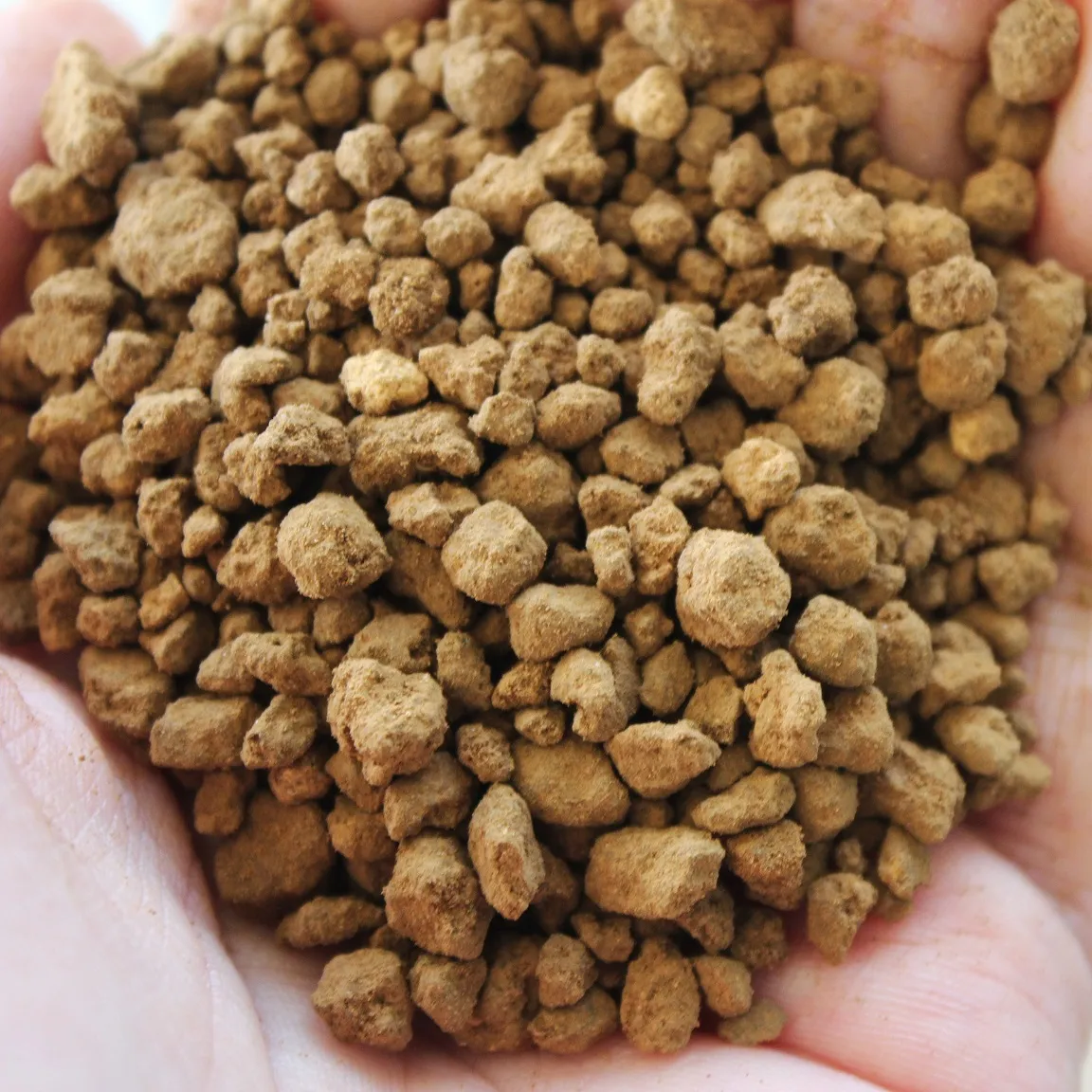
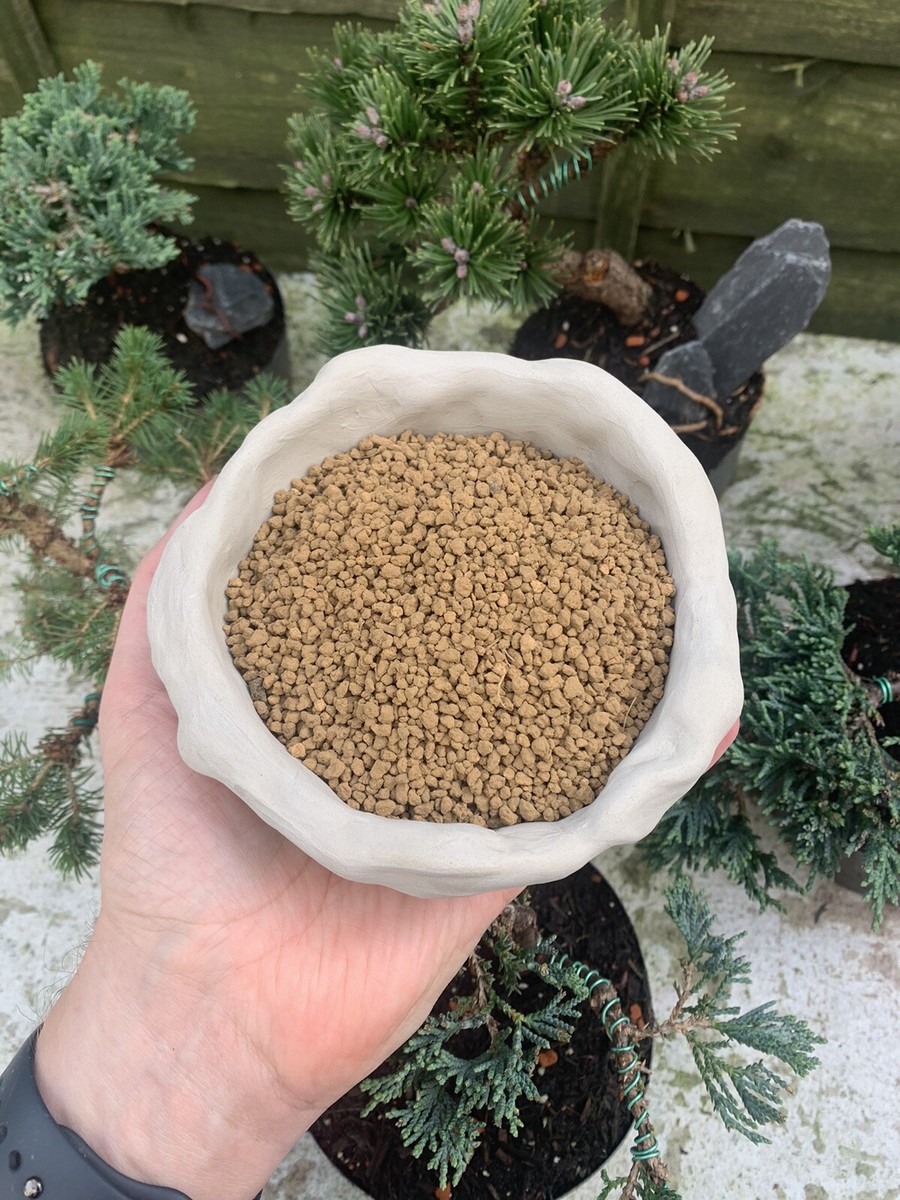
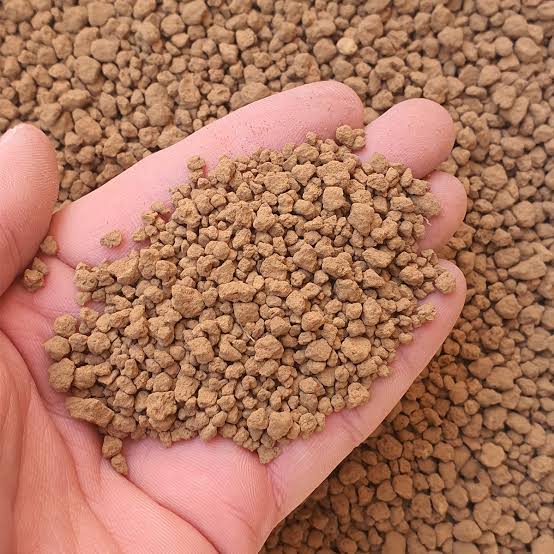
Our bonsai range includes Japanese Akadama in a 3–6mm grade for growers creating structured mineral mixes.
Using 3–6mm Akadama in a Bonsai Soil Recipe
A 3–6mm Akadama grade provides a practical particle range for bonsai substrate applications.
The spaces between particles influence the relationship between water and air inside the pot. A consistent particle size also makes it easier to combine Akadama with similarly graded mineral components.
However, the number on the bag does not tell the entire story.
Fine particles can collect between larger particles and change the way the substrate behaves. As fine material increases, the available spaces between particles can become reduced.
For this reason, experienced growers consider the actual condition of the material before creating the final mix.
Control Bonsai Drainage by Changing the Mineral Components
Akadama provides one set of characteristics within a substrate.
Other mineral components, such as pumice and scoria, provide additional ways to adjust the finished mix.
Understanding the role of each material gives growers more control than relying on a single fixed recipe.
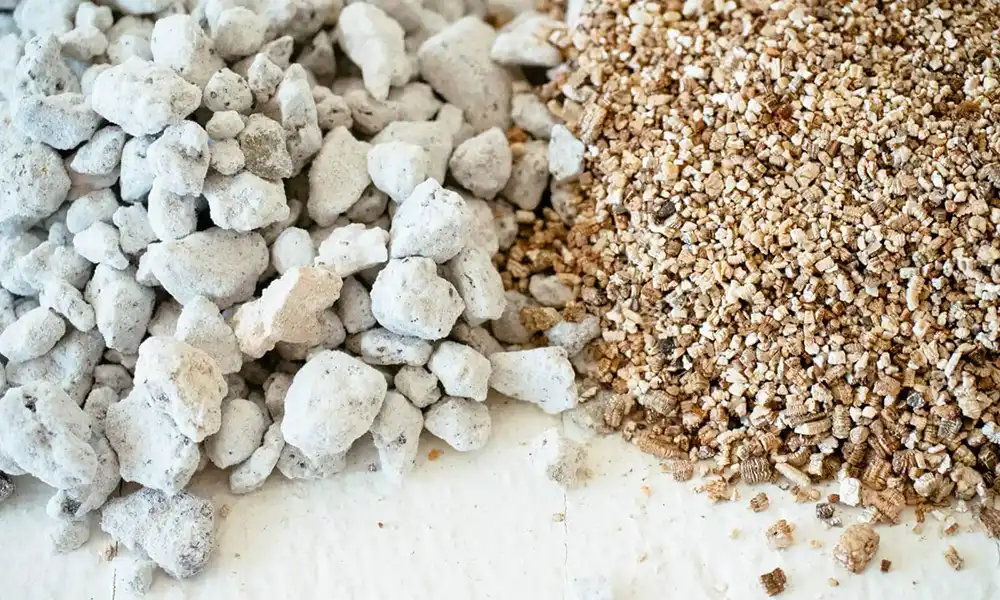
Add Pumice When the Mix Needs More Porous Structure
Pumice is a lightweight volcanic material with a porous structure.
It is used in bonsai substrates where growers want to influence factors such as:
- drainage
- aeration
- long-term substrate structure
Our Japanese Hyuga pumice is available in a 3–6mm grade and can be used as a component within specialist bonsai substrates.
Using similarly sized particles can help create a more consistent structure throughout the mix.
Pumice also allows growers to adjust a substrate without relying only on Akadama. The final result depends on the balance of materials, particle sizes and the condition of the mix.
Use Scoria When You Want Another Mineral Component
Scoria provides another option when building a bonsai substrate.
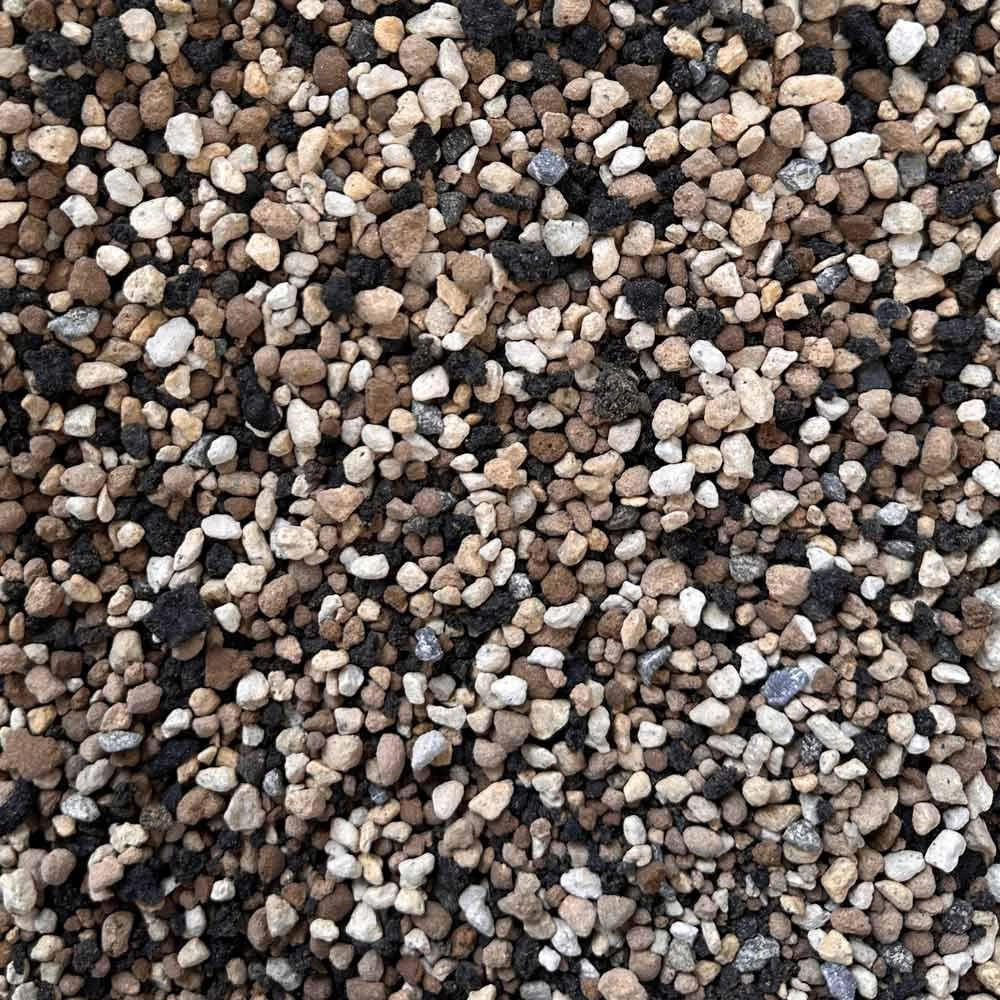
As a porous lava rock material, it can contribute additional structure and drainage within a mineral mix.
Ashi Homes & Gardens carries 3–6mm scoria options within its mineral growing media range.
Preparation is also important.
Dust and fine particles can settle between larger particles and influence airflow and moisture movement. Removing excessive fines before mixing gives greater control over the final substrate structure.
The material matters, but preparation matters too.
Set Your Akadama Ratio From the Conditions You Need to Manage
Changing the amount of Akadama in a bonsai soil mix changes how the finished substrate behaves.
The purpose is not to increase or decrease Akadama simply because one percentage is considered popular. The purpose is to adjust the balance of the mix to suit the tree, container and growing conditions.
A useful approach is to decide what you need to manage first:
- How quickly should the pot drain?
- How much moisture should the substrate retain?
- How open should the structure remain?
- How does your watering routine affect the result?
Once those questions are clear, the ratio becomes easier to determine.
Increase the Akadama Share When Moisture Management Needs More Weight
A higher proportion of Akadama may be useful when moisture retention requires greater emphasis.
This can be relevant where:
- a tree is grown in a shallow container
- conditions create faster drying
- the watering routine requires more moisture buffering between sessions
Species also influence the decision.
Different trees, root systems and growing conditions can require different substrate behaviour. A mix that works well for one bonsai should not automatically be treated as the right option for another.
The aim is not to use more Akadama.
The aim is to create the root environment the tree needs.
Use a Starting Formula, Then Tune the Mix for the Tree
A starting framework can help when creating a bonsai soil mix.
However, the value of a formula comes from understanding why each component is included.
A recipe should be treated as a reference point rather than a permanent rule.
A Balanced Akadama, Pumice and Lava Rock Starting Framework
A three-component mineral substrate gives growers three different areas to adjust:
| Component | Main purpose within the mix |
| Akadama | Granular structure and moisture-management characteristics |
| Pumice | Porosity, aeration and drainage |
| Lava rock or scoria | Additional mineral structure and drainage |
An equal-parts approach can provide a starting point for growers who understand that adjustments may still be needed.
A related 1:1:1 combination of Akadama, Hyuga pumice and Kiryu is referenced within the original material for some conifer applications. Confirm this information is suitable for publication before including it as a recommendation.
The important point is not the starting ratio itself.
The important point is understanding what changes when you alter the balance.
How to Adjust the Formula Instead of Copying It Blindly
A bonsai substrate should be adjusted based on observation.
For example:
If a mix dries faster than your watering routine can comfortably support, you may need to adjust the moisture-management side of the substrate.
If water movement is slower than expected and the root zone remains wet for too long, increasing the proportion of coarse, porous mineral material may change the structure of the mix.
The process is simple:
- Change one part of the mix with a clear reason.
- Observe how the substrate behaves.
- Use that information when preparing future mixes.
Over time, your trees provide the information needed to refine your approach.
Prepare the Components Before They Go Near the Roots
Substrate design is not only about choosing ingredients.
Preparation also affects the final result.
Sieve Fines Before Mixing Bonsai Soil
A material labelled with a specific particle size can still contain smaller particles or dust.
These fines can move into the spaces between larger particles and change the structure of the mix.
As fine material increases, the movement of water and air through the substrate can change.
Screening excessive fines before mixing gives growers greater control over the final particle distribution.
For more advanced substrate work, separating grades and evaluating each component before use can help create a more consistent mix.
Match the Mix to Species, Pot Depth and Watering Frequency
A bonsai substrate cannot be judged separately from the tree and container.
The same mix may behave differently depending on:
- tree species
- root development
- pot depth
- growing conditions
- watering routine
These factors all influence how the substrate performs.
Adjust Bonsai Drainage for Shallow Pots and Root Density
Bonsai pots provide limited substrate volume.
A shallow container can respond quickly to changes in watering and growing conditions. As roots develop, they also occupy space within the substrate and can influence how water moves through the pot.
Over time, factors such as:
- root growth
- particle breakdown
- movement of fine material
can change substrate behaviour.
For this reason, evaluate the mix throughout the growing cycle, not only when it is first prepared.
Let Your Watering Routine Influence the Akadama Soil Mix
Your watering routine is an important part of substrate design.
A mix that dries quickly may suit a grower who can monitor trees frequently. Another grower may require a different balance to suit their available watering schedule.
Conditions such as:
- temperature
- sunlight exposure
- wind
- container conditions
can influence drying behaviour.
The best Akadama soil mix is the one that matches the conditions you can consistently provide.
Test the Mix in Practice Before You Standardise It Across Your Collection
A substrate recipe becomes more useful when you understand how it performs over time.
Read Water Movement, Drying Rate and Root Response
Start by observing how water moves through the pot.
Consider:
- Does water enter the substrate evenly?
- Does it drain at the expected rate?
- Does the mix remain wet longer than intended?
Next, observe the drying cycle.
Changes in temperature, weather and growing conditions can affect how quickly moisture leaves the container.
At repotting time, the roots and substrate can provide further information.
Look at:
- root development
- particle condition
- areas where fine material has collected
Keeping notes between repotting cycles can help refine future substrate choices.
Build Your Next Mix From Components You Can Control
Compare Akadama, Pumice and Mineral Growing Media in One Place
Choosing individual substrate components gives growers more control over how they build a bonsai mix.
We stock Japanese Akadama alongside pumice, scoria and other specialist mineral growing media, allowing growers to select materials based on the characteristics they want to create.
Rather than relying on a single pre-set recipe, component-based mixing allows adjustments based on the tree, container and growing conditions.
Carry the Method Into Your Next Repot
A successful bonsai soil recipe starts with a clear purpose.
The process is:
- Understand the conditions around the roots.
- Choose the appropriate particle sizes.
- Select components based on their role.
- Prepare the materials.
- Observe how the finished mix performs.
The next substrate mix should be informed by what the previous one taught you.
Before You Mix Akadama, Check These Seven Variables
A successful Akadama soil mix is not created by following a fixed recipe without considering the growing environment.
Before combining materials, consider the factors that influence how the substrate will perform:
- Tree species
Different trees may require different moisture, drainage and root conditions. - Pot depth and size
Container dimensions influence how quickly the substrate changes after watering. - Root development
The amount of root growth inside the pot can affect the available spaces within the mix. - Particle size
The size and consistency of particles influence how water and air move through the substrate. - Component selection
Akadama, pumice and mineral materials each contribute different characteristics. - Watering routine
The mix needs to suit how frequently the tree can be monitored and watered. - Growing conditions
Temperature, sunlight exposure and other environmental factors can affect drying behaviour.
These variables are why there is no single bonsai soil recipe that works for every tree.
A Better Bonsai Soil Recipe Begins With a Reason for Every Particle
Advanced bonsai substrate design is not about finding one perfect formula.
It is about understanding what each component contributes and adjusting the mix to create suitable conditions around the roots.
A practical approach is:
- define the root environment you want to create
- choose particle sizes that support that goal
- select components based on their purpose
- prepare the materials before mixing
- observe how the substrate performs
- adjust future mixes based on what you learn
Akadama provides one set of characteristics.
Pumice and scoria provide additional options for adjusting structure, drainage and aeration.
The best mix is not necessarily the one with the most ingredients. It is the one where every component has a clear role.
Choose Bonsai Soil Components You Can Understand and Adjust
Building your own substrate gives you control over the materials surrounding your bonsai roots.
We stock Japanese Akadama, Hyuga pumice, scoria and other specialist mineral growing media for growers who want to create and adjust their own bonsai soil mixes.
Understanding the purpose of each material makes it easier to prepare a substrate that matches your tree, pot and growing conditions.
For your next repot, explore our mineral growing media range and select the components that support your bonsai setup.