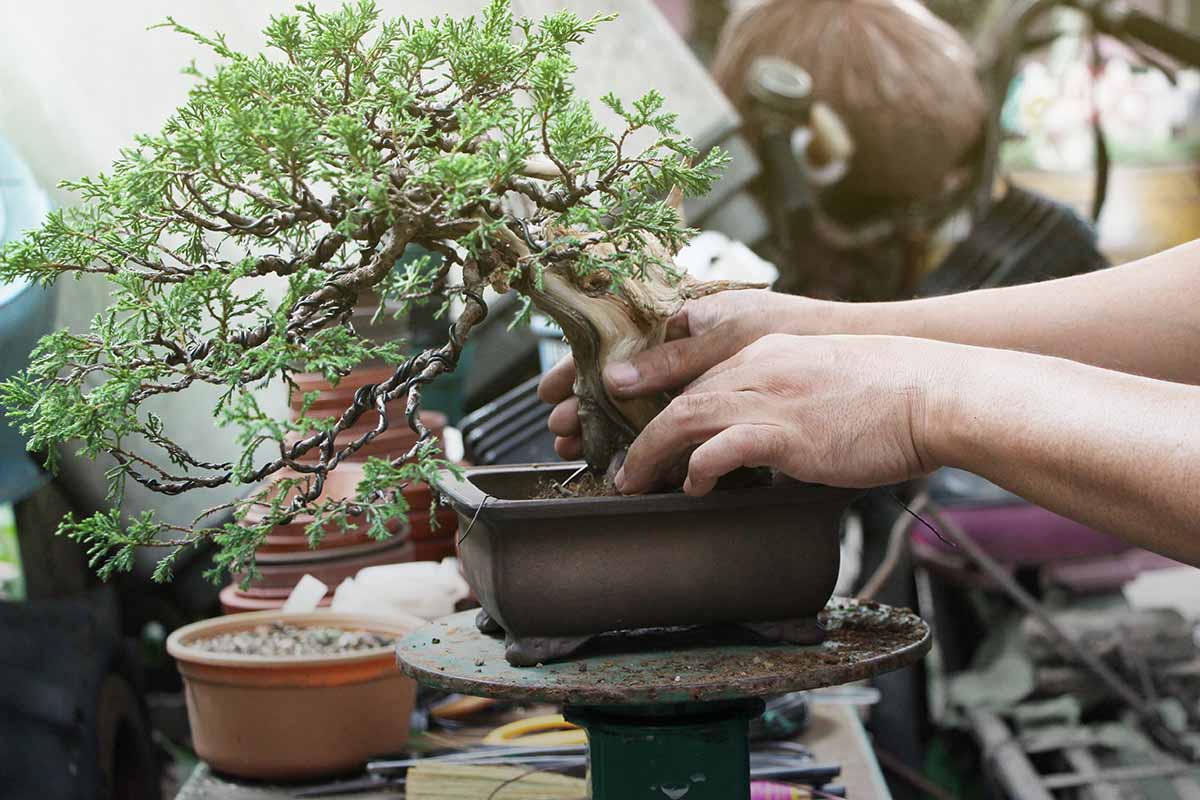
A bonsai tree has very little room for error below the soil line.
Its roots grow inside a shallow, restricted container where the growing medium needs to manage several competing needs. Water must move through the pot without leaving the roots sitting in excess moisture. Air needs to remain available around the root system. The substrate also needs enough structure to avoid becoming compacted over time.
This is why many bonsai growers choose Japanese Akadama soil.
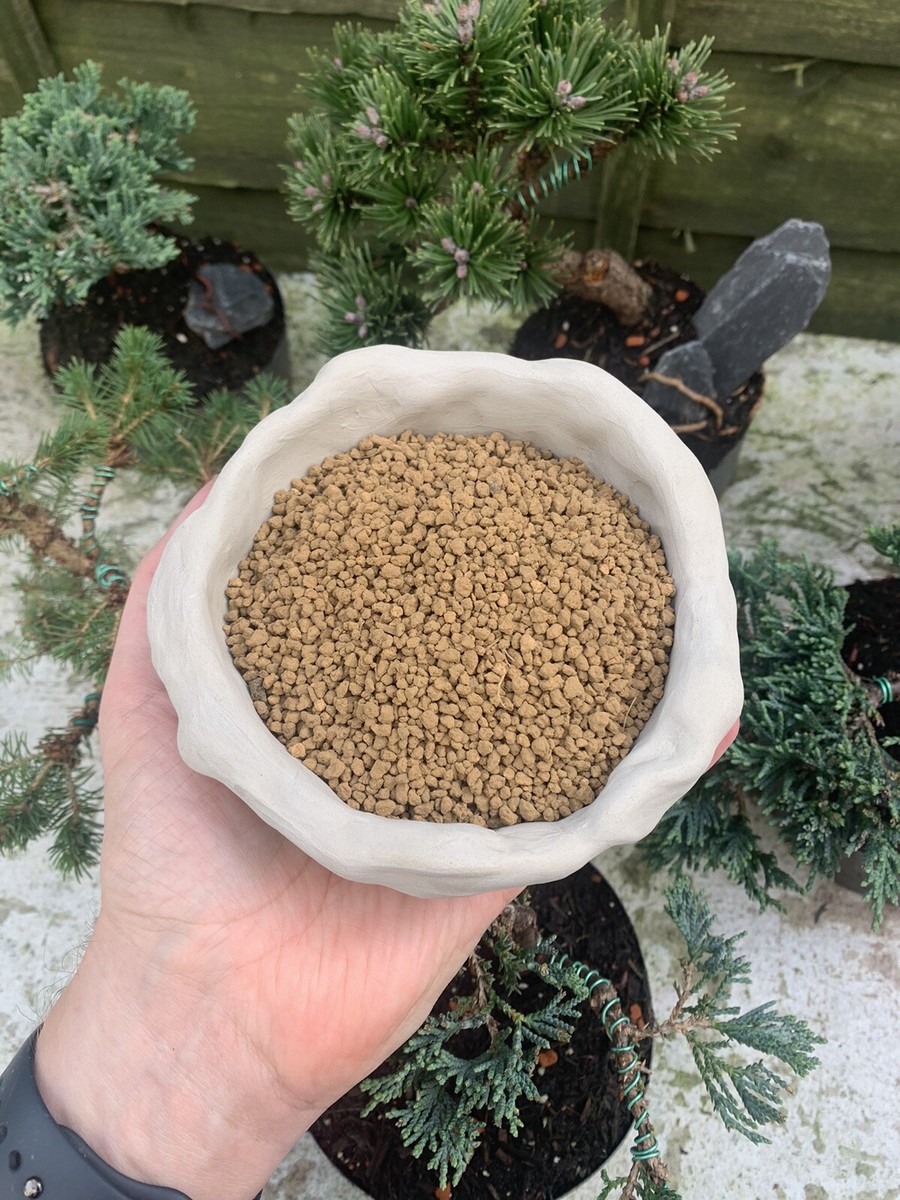
We stock Japanese Akadama for growers who want more control over the physical structure of their bonsai substrate. Our 3–6mm Akadama provides a granular mineral growing medium that can be used as part of a planned bonsai mix or within growing systems built around Akadama.
If you are looking to buy Akadama in Australia, the best starting point is understanding what your tree and growing conditions require.
Give Your Bonsai Roots the Growing Medium They Need
Why Ordinary Potting Mix Is Different From Bonsai Substrate
General potting mixes are designed for a broad range of container plants. Bonsai creates a different growing environment because the tree is kept in a shallow pot with limited root space.
This makes the physical structure of the growing medium especially important.
Fine materials can settle or compact over time, reducing the spaces available for air and water movement. Bonsai growers therefore often focus on factors such as:
- particle size
- drainage
- aeration
- moisture retention
The substrate becomes part of the way the tree is managed.
How Akadama Soil Helps Create a More Controlled Root Environment
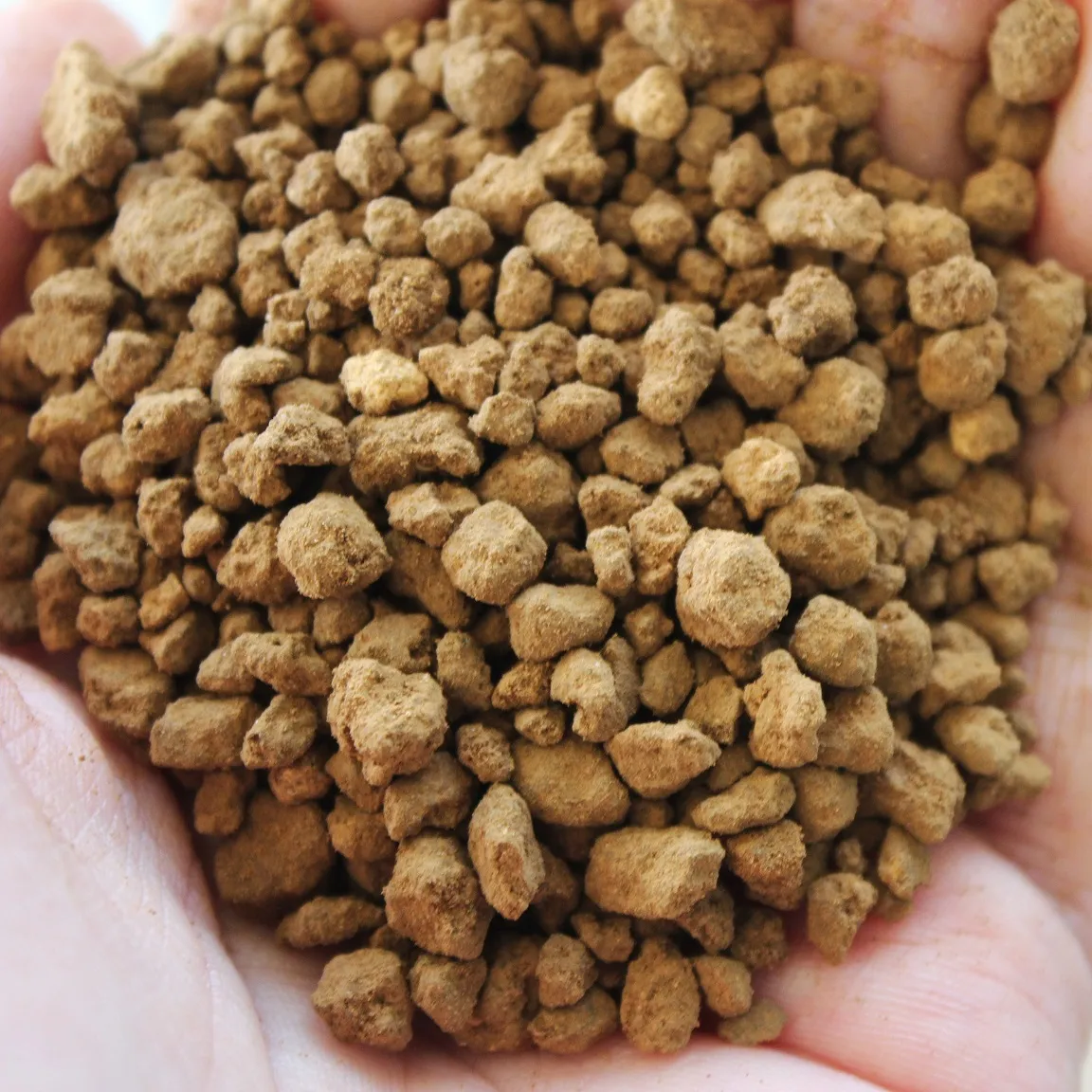
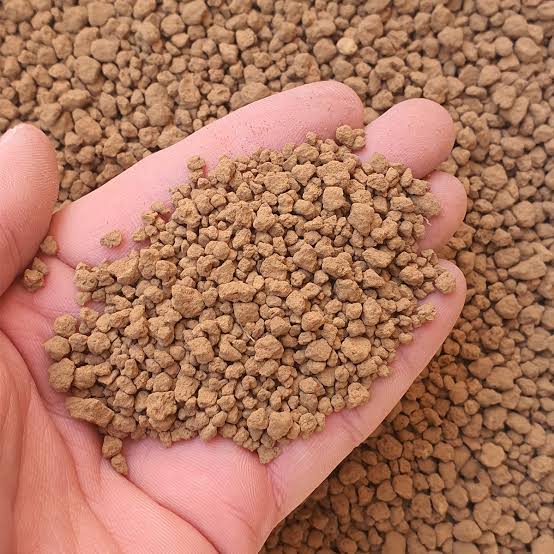
Akadama is a granular Japanese clay material widely associated with bonsai cultivation.
Its value comes from its physical structure. Individual particles create spaces through the substrate while also holding moisture within the growing medium.
This allows growers to influence how water and air behave around the roots.
A substrate that remains too wet can create poor growing conditions, while one that drains too quickly may require more frequent watering. The final result depends on the Akadama itself, the other components in the mix, the tree, the container and the way it is maintained.
Akadama is not a complete solution by itself. Its role is to help growers create the root conditions their bonsai requires.
Choose Japanese Akadama for a Structured Bonsai Growing Medium
Drainage is about more than simply removing water from a pot.
A useful bonsai substrate needs to hold enough moisture for the tree while maintaining spaces that allow air to remain within the growing medium.
The importance of maintaining air space can also be seen in professional container-growing media. The Australian National Botanic Gardens uses a free-draining potting mix with 15–20% air-filled porosity to provide good aeration and drainage. This highlights why the physical structure of a growing medium matters when managing both water movement and airflow around plant roots.
Granular mineral media gives growers more control over this balance.
Akadama can retain moisture within its particles while the spaces between those particles allow excess water to move through the container.
The final behaviour depends on factors such as:
- particle size
- other substrate components
- tree type
- container size
- watering routine
This is why bonsai growers often treat substrate selection as part of a wider growing system.
Build a Bonsai Mix Around the Tree, Not a Fixed Recipe
Using Akadama Alone or as Part of a Bonsai Soil Mix
There is no single bonsai substrate recipe that suits every growing situation.
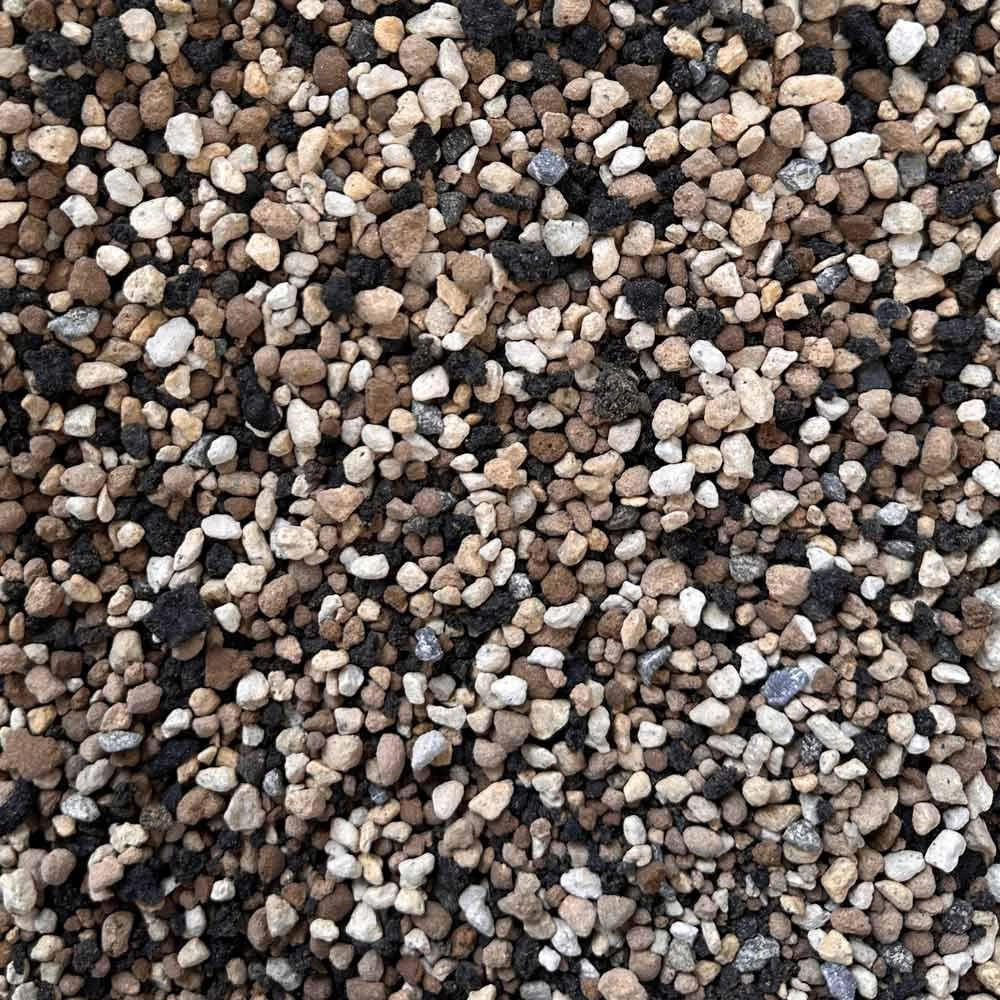
Akadama may be used alone in some bonsai growing systems. Other growers combine it with mineral components such as pumice, scoria or similar materials to adjust the structure and behaviour of the finished mix.
Each ingredient has a purpose.
Rather than copying another grower’s exact recipe, consider what the tree needs and what conditions you can realistically maintain.
Match Your Mix to Species, Pot Depth and Watering Habits
A bonsai substrate does not work independently from the rest of the setup.
Factors such as tree species, pot depth, root development, exposure and watering habits can all influence how the growing medium performs.
| Factor | Why it matters |
| Tree species | Different trees may require different growing conditions |
| Pot depth | Container size affects how moisture behaves |
| Root development | The root system influences substrate requirements |
| Growing conditions | Sun, wind and local conditions can affect watering needs |
| Watering routine | The mix needs to suit how often the tree can be monitored |
A substrate that works well for one bonsai should not automatically be treated as the right choice for every tree.
Use Akadama deliberately and build the mix around the conditions you can provide.
Get the Particle Size Right Before Repotting
Why 3–6mm Akadama Is a Practical Bonsai Substrate Option
Particle size affects the structure of a bonsai mix.
Our Japanese Akadama is available in a 3–6mm grade, providing a consistent granular material for bonsai substrate applications.
This type of structure can help maintain spaces within the growing medium rather than allowing the pot to become dominated by very fine material.
The right grade still depends on how you plan to use it. Tree size, root development and container dimensions should all be considered before repotting.
The goal is to create suitable growing conditions around the roots.
Buy Japanese Akadama Soil in Australia for Specialist Bonsai Substrates
Specialist Japanese Akadama for Australian Bonsai Growers
Choosing the right growing medium matters when you are building a bonsai substrate.
Japanese Akadama is used by bonsai growers who want more control over factors such as moisture management, drainage and airflow compared with general-purpose growing mixes.
We stock Japanese Akadama as part of our specialist mineral growing media range, giving growers access to materials that can be selected according to their trees, containers and growing conditions.
Whether you are maintaining one bonsai or managing a larger collection, choosing the right substrate components helps create a more deliberate growing environment.
Shop With Us Online or Add Akadama to Your Next Bonsai Supply Order
If you already know Akadama is the right component for your next mix, choosing your materials does not need to be complicated.
You can buy Japanese Akadama from Ashi Homes & Gardens and explore other bonsai and mineral growing media at the same time.
Choose the materials that suit your trees, containers and watering routine, then build the mix with a clear purpose behind each component.
Complete the Substrate With the Right Mineral Growing Media
Explore Mineral Growing Media for Custom Bonsai Substrates
Akadama is often one part of a broader substrate plan.
We also carry specialist mineral growing media for growers who want to adjust factors such as drainage, aeration, moisture behaviour or the physical structure of a mix.
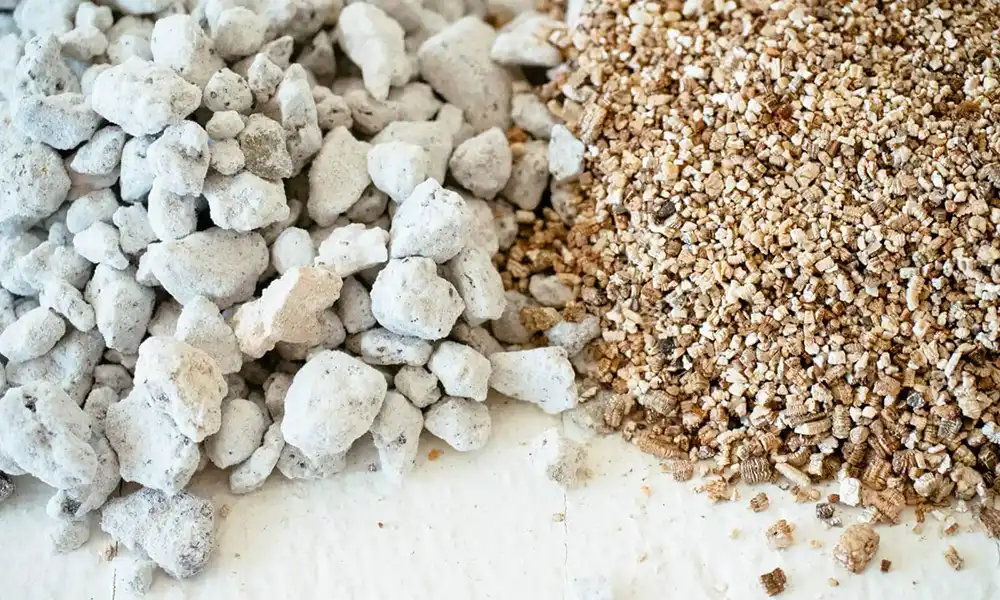
Materials such as pumice, scoria and other mineral components have different characteristics. This gives growers flexibility when creating a substrate based on the needs of the tree rather than relying on a general-purpose mix.
Before adding any component, understand the role it plays within the final substrate.
A bonsai pot provides limited space for roots, so each ingredient should have a clear purpose.
Before You Buy Akadama, Get These Bonsai Soil Decisions Right
Is Akadama good for bonsai?
Akadama is widely used in bonsai growing because its granular structure can provide a useful combination of drainage, aeration and moisture retention.
Its suitability still depends on the tree, container, growing conditions and the rest of the substrate mix.
Should I use Akadama by itself?
Akadama can be used by itself in some growing systems, while many growers combine it with other mineral components.
The best approach depends on the tree and the conditions you can provide rather than following one fixed ratio.
What does 3–6mm Akadama suit?
A 3–6mm grade provides a structured mineral component suitable for bonsai substrate applications.
Tree size, root development and pot dimensions should still guide the final choice.
Does Akadama hold water or drain quickly?
Akadama can retain moisture within its particles while the spaces between the granular material allow excess water to move through the container.
Its final behaviour depends on particle size, other substrate components and the proportions used in the mix.
What can I mix with Akadama?
Growers commonly use Akadama alongside other mineral materials to change how a substrate manages water and air.
Pumice and scoria are examples of materials that may form part of a mineral bonsai mix.
The right combination depends on what you want the finished substrate to achieve.
How do I know whether Akadama is right for my bonsai?
Consider the root environment you want to create.
Akadama may be worth considering if you want a granular mineral substrate that gives you more control over drainage, aeration and moisture management.
Can I buy Japanese Akadama from Ashi Homes & Gardens?
Yes. We stock Japanese Akadama in our specialist growing media range, including a 3–6mm grade suitable for bonsai substrate applications.
You can shop with us for Akadama and other mineral growing media used by bonsai growers.
Repot With a Substrate Chosen for Bonsai Conditions
A bonsai can spend years in the same carefully managed container system. The material surrounding its roots deserves the same consideration you give to pruning, wiring, watering and feeding.
Akadama provides a mineral component that growers can use when building a bonsai substrate.
The important part is choosing and combining materials based on the needs of the tree, the pot and the way you manage watering.
If you are ready to buy Akadama soil in Australia, explore our Japanese Akadama and wider mineral growing media range for your next bonsai mix.
Shop Japanese Akadama Soil from Ashi Homes & Gardens.