

Sick of watching your plants wilt, rot, or stall in soggy, compacted soil? You’re not alone. Thousands of gardeners struggle with poor drainage and weak root systems—often without realising the fix is as simple as a handful of perlite. Discover how this lightweight soil booster can transform not just your mix, but your entire growing experience.
Perlite might look like an afterthought in a bag of potting mix, but don’t let its appearance fool you. This white, popcorn-like material is a powerful player in promoting plant health. Derived from volcanic rock and expanded through intense heat, perlite is a natural, sterile, and highly effective way to improve the soil beneath your plants.
This is Part Two of our “Unlocking the Power of Perlite” blog series. If you’re new to perlite or unsure exactly what it is and how it’s made, start with Part One: Unlocking the Power of Perlite: What Is Perlite in Gardening and Why You Should Use It. to get the full picture before diving into the benefits.
Unlike some additives that simply bulk up your mix, perlite actively improves the growing environment—helping roots access oxygen, drain excess water, and resist diseases more effectively. Whether you’re caring for houseplants, succulents, or a full veggie bed, perlite has a key role to play.
In this article, we’ll break down the top benefits of perlite for plant health, compare it with other popular soil additives like vermiculite, sand, and pumice, and reveal the real-life scenarios where perlite truly shines. Let’s dig in.
The Root of the Matter – How Perlite Promotes Healthier, Stronger Roots
Healthy roots are the foundation of every thriving plant, but they’re also one of the most overlooked parts of gardening. When roots can’t access enough oxygen or become waterlogged, plant health begins to decline—often before you see any signs above the soil. This is where perlite makes an immediate and measurable difference.
Perlite’s unique structure creates tiny air pockets throughout your growing medium. These pockets ensure that oxygen circulates freely around plant roots, supporting respiration, nutrient uptake, and rapid root development. This is especially vital in container gardening, where soil tends to compact quickly, restricting airflow and root growth.
In compacted or poorly drained soils, roots often struggle to grow deeply or branch out, leaving your plants stunted and vulnerable. With perlite in the mix, the soil remains loose, light, and easy to penetrate—encouraging roots to spread, explore, and access nutrients more efficiently. The result? Stronger, more resilient plants that are better able to withstand stress from weather, pests, or transplant shock.
This improved root environment also leads to faster establishment for seedlings and transplants. Gardeners using perlite in their seed-starting mixes often report quicker sprouting and sturdier young plants. In propagation, where cuttings are prone to rot or fungal issues, the added air and drainage from perlite help reduce risks while giving roots the space they need to form cleanly.
So while perlite may seem like a small addition, its impact is anything but. By transforming the conditions at the root level, it helps create a healthier, more stable foundation for everything that happens above the soil line—from vigorous foliage growth to higher yields and longer-lasting blooms.
Say Goodbye to Soggy Soil: Why Drainage Matters
Few things are more frustrating for a gardener than watching a plant fade away—not from pests or neglect, but from too much water. Soggy, compacted soil is one of the most common causes of root rot, fungal infections, and stunted growth. And often, the culprit isn’t how much you water—it’s how poorly the soil drains.
In climates like Brisbane’s, where humidity can linger and rain arrives in sudden bursts, moisture control becomes critical. Over time, even well-prepared soil can become dense and suffocating, trapping water around roots and starving them of oxygen. That’s a recipe for stress and disease—especially for plants in containers or raised beds, where excess water has nowhere to go.
This is where perlite steps in as a drainage champion. Its lightweight, porous texture allows excess water to flow freely through the soil, preventing waterlogging while still holding on to just enough moisture to keep roots hydrated. Unlike sand, which can make soil heavy and hard-packed, or organic matter that breaks down over time, perlite keeps soil structure open and breathable for the long haul.
By creating a free-draining environment, perlite helps eliminate one of the most common killers of indoor and outdoor plants. It gives you more control over watering, reduces the risk of fungal growth, and ensures roots get the oxygen they need to thrive—not just survive.
Whether you’re potting up a fiddle leaf fig, prepping a veggie bed, or rescuing a wilting succulent, adding perlite can be the simple switch that saves your plants from drowning in silence. In humid or wet climates, it’s not just helpful—it’s essential.
An Invisible Shield: How Perlite Helps Prevent Root Disease
You can’t always see the start of root disease—but your plants feel it long before the damage shows. Soil that stays wet and compacted becomes a breeding ground for pathogens like Pythium and Phytophthora, which are responsible for root rot and damping-off. These conditions can silently wipe out entire trays of seedlings or turn a flourishing houseplant into mush in a matter of days.
Perlite acts like an invisible shield, protecting your plants from the conditions that lead to disease—not by killing pathogens, but by denying them the environment they need to thrive.
Here’s how: when you mix perlite into your soil, it immediately improves air flow and moisture balance. Water drains more efficiently, and air is able to circulate around roots. This oxygen-rich environment is unfavourable for most root pathogens, which thrive in stagnant, oxygen-poor soils. With better drainage and structure, your soil stays active and resilient, not soggy and stressed.
And there’s another powerful benefit—reduced need for chemical treatments. When your soil consistently drains well and your roots are healthy, you’re far less likely to reach for fungicides, root tonics, or emergency repotting. This makes perlite an important tool not just for plant health, but for sustainable gardening. Less disease means fewer interventions, and fewer interventions mean healthier ecosystems—indoors and out.
For gardeners who want to grow strong, chemical-free plants from the roots up, perlite is a quiet but powerful ally. It doesn’t just support growth—it helps prevent problems before they start.
Battle of the Additives – Perlite vs. Vermiculite, Sand, and Pumice
Choosing the right soil additive can make all the difference to your plant’s health—but with so many options, how do you know which one to use? While perlite is incredibly versatile, other additives like vermiculite, sand, and pumice have their place too. Understanding the genuine benefits of each helps you make smart, situation-specific choices.
Perlite: Best for Drainage & Aeration

Perlite is your go-to when your priority is drainage, aeration, and disease prevention. Its coarse, porous structure makes it ideal for:
- Succulents and cacti
- General houseplants
- Clay-heavy soils that need loosening
- Humid climates (e.g., Brisbane) where water retention is a problem
Because it doesn’t break down or hold water for long, perlite keeps soil fluffy and breathable—perfect for roots that hate being soggy.
Vermiculite: Best for Moisture Retention
Vermiculite is more absorbent than perlite and excels at holding onto water and nutrients. It’s a top choice for:
- Seed starting, where consistent moisture is vital
- Cuttings, especially those that are moisture-loving
- Tropical houseplants that thrive in humid conditions
It has a finer, softer texture, and while it doesn’t drain as quickly as perlite, it provides a more stable moisture environment for tender plants.
Pumice: Best for Long-Term Stability & Weight
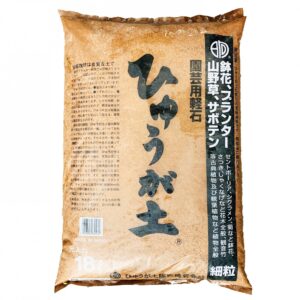
Pumice offers similar benefits to perlite—aeration and drainage—but with one key difference: weight. It’s heavier, making it ideal for:
- Outdoor containers exposed to wind (prevents tipping)
- Bonsai and succulents where precise root control is needed
- Custom gritty mixes that require structure without floating particles
It’s longer-lasting and doesn’t rise to the top of the soil mix like perlite sometimes can, but it’s often more expensive and less available in bulk.
Horticultural Sand: Best for Structural Support
Horticultural sand (not builder’s sand) adds weight and structure to soil and is commonly used to:
- Anchor top-heavy plants
- Improve drainage in dense garden beds
- Recreate natural soil conditions for native or Mediterranean plants
While sand improves drainage, it can compact over time and make soil heavy—so it’s not recommended for container mixes or delicate roots.
When to Use Which One?
| Use Case | Best Additive |
| Fast drainage, airy mix | Perlite |
| Consistent moisture retention | Vermiculite |
| Long-term outdoor use | Pumice |
| Weight and root anchoring | Horticultural Sand |
| DIY succulent/bonsai mix | Perlite + Pumice combo |
| Seed starting trays | Vermiculite or blend |
At Ashi Homes & Gardens, we stock a range of soil additives to help you get the mix just right. If you’re unsure where to start, perlite offers the best all-round performance for most gardeners, especially in warm or wet climates where drainage is key.
Next, we’ll explore exactly when and where perlite shines the most—so you can start using it with confidence.
When Should You Use Perlite? 5 Situations Where It Shines
Perlite isn’t just a good idea—it’s a strategic upgrade to your soil when used at the right time and place. Whether you’re caring for houseplants, tending veggie beds, or propagating new life, perlite steps in to solve specific problems and supercharge root environments. Let’s look at five common gardening situations where perlite truly excels, and why it might be the smartest move you make this season.
1. Potting Up Houseplants
Indoor plants are often at the mercy of overwatering and poor drainage, especially when kept in decorative pots with limited airflow. Without help, the soil compacts, and roots can suffocate or rot quietly over time.
Why use perlite: It lightens heavy potting mixes, improves air circulation around roots, and helps water drain freely—keeping roots oxygenated and preventing the slow death of root rot.
Best for: Monsteras, pothos, peace lilies, rubber plants—especially in non-draining pots or high-humidity homes.
Pro tip: Mix 25–50% perlite into standard potting mix for better drainage without losing moisture retention entirely.
2. Growing Succulents, Cacti & Other Dry-Loving Plants
Succulents and cacti don’t just prefer dry soil—they demand it. These desert dwellers are highly sensitive to soggy conditions and are often lost to root rot caused by overly moisture-retentive mixes.
Why use perlite: Perlite creates a sharply-draining medium that mimics their natural rocky habitats. It lets water escape almost instantly while keeping the soil structure airy and open.
Best for: Echeveria, aloe vera, jade, haworthia, cacti varieties, and any plant labeled “drought-tolerant.”
Pro tip: For extra drainage, combine perlite with sand or pumice in a 2:1 ratio (perlite-heavy) to form a gritty, arid blend.
3. Starting Seeds or Rooting Cuttings
Germinating seeds and propagating cuttings are high-risk stages for plants, where too much moisture and poor aeration can kill your efforts before they begin.
Why use perlite: It ensures consistent air flow to developing roots and keeps the soil structure light enough for young roots to grow freely. It also helps prevent damping-off, a common fungal disease in seed trays caused by stagnant conditions.
Best for: Herbs, veggies, annual flowers, soft-stem cuttings (e.g., basil, coleus, begonias).
Pro tip: Mix 50% perlite with coconut coir or seed starting mix to create a light, disease-resistant rooting medium.
4. Improving Garden Beds or Heavy Clay Soil
In the ground, dense or clay-heavy soils pose major challenges: poor drainage, compaction, and restricted root spread. Perlite can help reshape the soil’s physical structure and long-term performance.
Why use perlite: It permanently increases porosity and drainage in clay soils, breaks up dense layers, and improves root access to air and water.
Best for: Flower borders, raised beds, vegetable rows, especially in older garden beds or hard-packed plots.
Pro tip: Work perlite into the top 15–20 cm of soil when prepping beds, especially in areas prone to water pooling or slow drainage.
5. Lightening Container Mixes for Hanging Baskets or Balcony Pots
Containers are fantastic for compact spaces—but they often retain too much water and can become heavy and hard to move. Over time, mixes settle and compact, leading to stress for the plants.
Why use perlite: It reduces the overall weight of your potting mix, ensures quick drainage (critical for hanging baskets exposed to rain), and prevents root suffocation.
Best for: Trailing flowers, herbs in pots, balconies, rooftop gardens, or any container where weight and airflow matter.
Pro tip: Replace 30–40% of your standard container mix with perlite when planting in large pots, self-watering containers, or elevated garden systems.
Perlite isn’t just a filler—it’s a strategic amendment with real, measurable impact in all of these scenarios. If you’re looking to solve soil problems and future-proof your plants, now’s the time to make it part of your growing routine.
You’ll find a full range of premium-grade perlite right here at Ashi Homes & Gardens, available in small packs or bulk quantities to suit every gardener—from first-time growers to seasoned pros.
What’s Next: Matching Perlite to the Right Plants (Coming in Part 3)
By now, you’ve seen how perlite isn’t just helpful—it’s a genuine ally for plant health, especially when used at the right time and in the right way. Whether you’re trying to fix soggy soil, boost seedling success, or simply give your houseplants a better home, perlite delivers practical, long-lasting results.
But what if you could fine-tune your mix even further? Different plant types have very different soil needs—and that’s where things get exciting.
In Part 3 of our Perlite Blog Series, we’ll dive into:
- The best perlite blends for succulents, orchids, veggies, and native Australian plants
- How to adjust perlite ratios for different growing goals
- Real-world tips from local gardeners using perlite with outstanding results
If you’re ready to customise your soil with purpose—and help each plant type reach its full potential—stay tuned for our next instalment:
“Tailored Gardening: How to Use Perlite for Succulents, Orchids, and Veggie Beds.”
In the meantime, why not visit Ashi Homes & Gardens or browse our online shop to get your hands on high-quality perlite and soil mixes? Your garden (and your roots) will thank you.





