
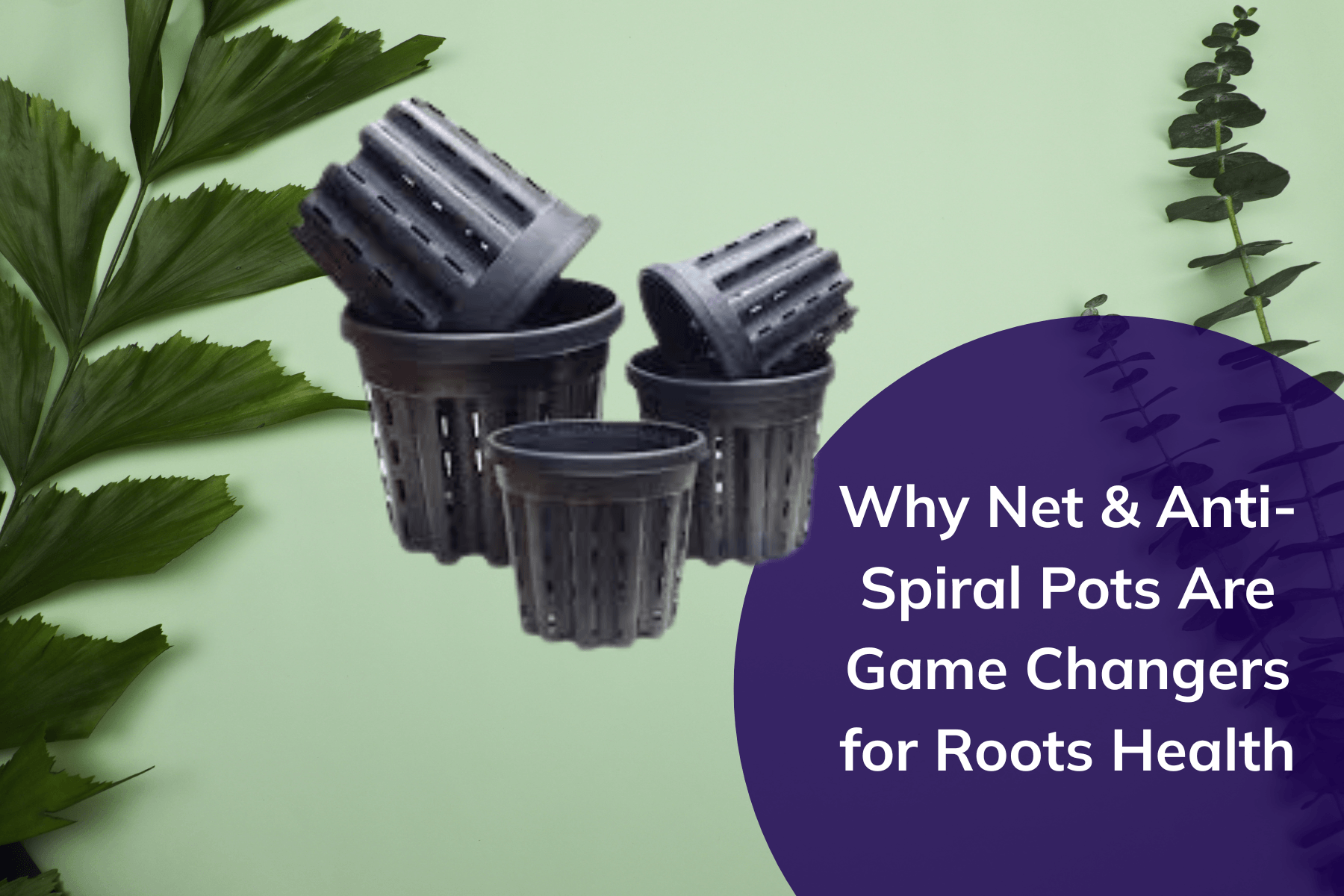
The foundation of a thriving garden lies hidden beneath the surface – in the roots. Despite their elusive presence, the roots are the bustling nerve centre of any plant, crucial to their survival and growth. As gardeners strive to unlock the full potential of their plants, embracing innovative planting methods can significantly enhance root health. Enter net and anti-spiral pots, groundbreaking tools that dramatically transform root systems and invigorate your plants.
The Importance of Healthy Roots in Plant Growth
Your plant’s success story begins underground, with its roots. Providing the essential support and nutrients needed, healthy roots are the cornerstone of plant growth. Whether you’re nurturing a delicate indoor plant or an expansive outdoor garden, understanding root health is key to achieving robust and flourishing plants.
Understanding Root Functionality
Roots serve as more than mere anchors; they are critical for a plant’s survival, directly affecting nutrient uptake and structural stability. By examining how roots function, we can better appreciate the importance of cultivating an optimal environment for them.
The Role of Roots in Nutrient Uptake
Roots are tasked with the complex job of absorbing water and nutrients from the soil, a process vital for photosynthesis and plant growth. Through a network of fine root hairs, they increase their surface area, maximising the plant’s access to vital minerals. This absorption process fuels the plant’s metabolic functions, fostering growth, blooming, and resilience against environmental stressors.
Roots and Plant Stability
Beyond nutritional support, roots contribute significantly to plant stability. They anchor the plant securely in place, ensuring it can withstand wind and other physical disturbances. A robust root system distributes weight evenly and aids in the plant’s upright growth. Without this solid underground framework, plants become vulnerable and more susceptible to environmental challenges.
By nurturing healthy roots, gardeners can ensure their plants have a sturdy foundation, ultimately translating to above-ground vigour and vitality. In this context, investing in root-friendly pots is a transformative step towards enhancing the overall health and success of your garden.
Traditional Pots vs Innovative Containers
Limitations of Conventional Plant Pots
While traditional plant pots have been a standard choice for decades, they pose several limitations that can impact the health and growth of plants. One of the most significant challenges with conventional containers is their design, which often leads to poor drainage and limited root aeration. This can result in several issues, including poor air circulation to the roots and excessive moisture retention, both of which can be detrimental to plant health.
Issues with Drainage
Typical plant pots are often manufactured without sufficient drainage systems, leading to waterlogged soil. When water cannot escape efficiently, roots are deprived of necessary oxygen and can suffer from rot. This circumstance can be quite unfavourable for plant vitality, as it impedes root respiration and subsequently hinders nutrient uptake. Moreover, poor drainage contributes to the proliferation of fungal diseases, further jeopardising the plant’s overall health.
The Impact of Root Circling on Plant Health
Another significant drawback of conventional pots is the phenomenon known as root circling. In a confined space, roots begin to circle around the pot’s edges, eventually becoming root-bound. This root circling restricts the plant’s ability to uptake nutrients effectively and can weaken the stability of the plant. Over time, this behaviour can lead to stunted growth and decreased vitality of the plant, as the tightly wound roots struggle to support the above-ground growth.
Exploring Net Pots: A Revolution in Planting
What Are Net Pots?
Net pots are a modern alternative to traditional pots, designed distinctly to combat the limitations of conventional containers. These perforated containers are constructed with numerous openings throughout their structure, allowing maximum air and water circulation. Predominantly used in hydroponics and aquaponics, net pots offer several unique advantages that promote healthier root systems and enhance plant growth.
Design and Materials Used
The design of net pots is characterised by a mesh-like structure, where the pot’s surface is full of small holes or slits. These are typically made from durable plastics like polypropylene or other lightweight, non-reactive materials that ensure longevity and resilience against wear. This structural openness facilitates excellent drainage and aeration, two critical factors in maintaining a hearty root environment.
How Net Pots Promote Root Aeration
One of the distinct advantages of net pots is their ability to foster strong root aeration. The plethora of openings provides ample access to air, which is crucial for root respiration. Enhanced aeration not only prevents the onset of root rot by allowing excess moisture to escape but also stimulates the growth of feeder roots that can absorb nutrients more effectively. Consequently, plants grown in net pots tend to be healthier and more robust.
Benefits of Net Pots for Hydroponic Systems
xr:d:DAF2uuE8hlc:10,j:3541367224734926256,t:23121202
In hydroponic systems, net pots shine due to their exceptional water flow capabilities. Since hydroponics relies on nutrient-rich solutions rather than soil, the rapid and efficient drainage provided by net pots ensures roots remain hydrated without becoming waterlogged. This promotes an ideal environment for nutrient uptake and ultimately supports faster growth rates and larger yields.
Exploring Net Pots: A Revolution in Planting
Net pots are transforming the way we grow plants, particularly in hydroponic and aeroponic systems. Unlike conventional containers, these root-optimised planters encourage healthier root development, ensuring that plants receive the air, moisture, and nutrients they need for vigorous growth. But what exactly makes net pots so effective? Let’s delve into their design, functionality, and benefits.
What Are Net Pots?
Net pots are specially designed planting containers made from plastic or other durable materials. They feature a mesh-like structure with slatted or perforated walls that allow roots to extend beyond the pot while still providing support for the plant. Their open design promotes excellent airflow, proper drainage, and unrestricted root growth, making them ideal for hydroponic gardening and other soil-free cultivation methods.
Design and Materials Used
The structure of net pots plays a crucial role in their effectiveness. Their main characteristic is the presence of large openings or slits along the sides and bottom, which provide multiple pathways for roots to grow through. This design promotes better oxygenation and prevents root circling, a common issue in traditional plastic pots.
Net pots are typically manufactured using high-quality plastic materials such as polypropylene or polyethylene. These plastics are chosen for their durability, resistance to UV degradation, and ability to withstand the moisture-rich environment of hydroponic and aeroponic systems. Some net pots are even reinforced with mesh linings or additional ridges to improve stability and support heavier root systems.
How Net Pots Promote Root Aeration
One of the key advantages of net pots is their ability to enhance root aeration. In soil-based gardening, compacted soil can deprive roots of adequate oxygen, leading to sluggish growth or root rot. However, net pots eliminate this issue by exposing the root system directly to air and nutrient-rich water.
This high level of aeration encourages the development of dense, fibrous root structures, which are far more efficient at absorbing nutrients. As roots protrude through the openings of the pot, they come into contact with higher oxygen levels, promoting faster growth and overall plant health. This process, known as “air pruning,” prevents the tangled, root-bound formations often seen in traditional containers.
Benefits of Net Pots for Hydroponic Systems
Hydroponic gardening relies entirely on nutrient-enriched water rather than soil, making the choice of planting containers a critical factor in success. Net pots are an optimal solution for hydroponic growers for several reasons:
- Improved Drainage: Thanks to their open structure, net pots prevent water from accumulating at the bottom, reducing the risk of root rot and fungal infections.
- Maximum Nutrient Exposure: In hydroponic systems, plant roots are continuously submerged or misted with nutrient-rich water. Net pots allow roots to extend beyond their barriers, ensuring they can absorb nutrients efficiently.
- Enhanced Oxygenation: Since roots are exposed to air instead of being constrained inside a compact pot, they receive ample oxygen, which stimulates faster growth and stronger root development.
- Easy Transplantation: Net pots make it simple to transfer plants between different hydroponic systems or transition from hydroponic to soil-based growth without disturbing the roots.
- Reusable and Durable: Unlike traditional planting containers, net pots can be reused across multiple growth cycles, reducing plastic waste and promoting sustainable gardening practices.
These benefits make net pots particularly useful for growers using deep-water culture (DWC), nutrient film technique (NFT), and aeroponic systems. Their design ensures that plants always have access to the right balance of air, water, and nutrients, leading to healthier and more productive crops.
As urban gardening and hydroponic agriculture continue to rise in popularity, net pots stand out as a valuable tool for improving root health and plant performance. Whether used in a small home-based hydroponics setup or a large-scale commercial grow operation, their advantages are clearstronger roots, healthier plants, and more productive harvests.
Unpacking Anti-Spiral Pots: The Anti-Circling Solution
Root-friendly pots are designed to enhance plant health by addressing common issues that arise in conventional containers. Among these, anti-spiral pots are particularly effective in preventing root circling, ensuring that plants develop a strong, robust root system. Understanding how these pots function and their benefits can help gardeners make informed choices about their planting containers.
Preventing Root Bound with Anti-Spiral Designs
One of the most significant problems in traditional plant pots is the tendency for roots to spiral around the inner surface of the container. This phenomenon, commonly referred to as root circling or root binding, can severely impact plant health by restricting nutrient absorption and stunting growth.
Anti-spiral pots prevent this issue through specialised design features such as ridged or slotted sidewalls, which guide roots towards the base of the pot instead of allowing them to wrap around in a circular pattern. Some anti-spiral pots include air pruning technology, where small openings in the container expose root tips to air, causing them to naturally stop growing in that direction and instead develop secondary roots. This leads to a denser, more fibrous root system capable of absorbing nutrients more efficiently.
By eliminating root binding, these root-friendly pots ensure that plants can grow to their full potential, supporting stronger stems, better flowering, and higher yields in vegetable and fruit-bearing plants.
Enhanced Oxygenation for Stronger Roots
Oxygen availability is crucial for root respiration, a process that allows roots to exert energy in absorbing water and nutrients. In traditional plant pots, especially plastic ones with poor drainage, oxygen levels can be severely limited, leading to suffocation and root rot.
Anti-spiral pots remedy this issue by incorporating perforations or slotted designs that facilitate improved airflow to the root zone. As a result, the increased oxygen supply prevents anaerobic conditions (where oxygen levels are low), which often lead to fungal and bacterial disease buildup. This enhancement in aeration supports overall root health by encouraging rapid root growth, ensuring better resilience against environmental stressors like drought or fluctuating temperatures.
Moreover, the improved airflow within the root zone helps prevent waterlogging and soil compaction, making it easier for roots to absorb the nutrients they need. Whether used in garden beds or balcony plant displays, these root-friendly pots optimise plant vitality by creating an ideal growing environment.
Materials and Durability
Anti-spiral pots are available in a range of materials, each offering its own advantages. Some of the most commonly used materials include:
- Plastic: Durable, lightweight, and cost-effective, plastic anti-spiral pots are widely used in commercial nurseries and home gardening. They are often designed with UV protection to extend their lifespan.
- Fabric: Fabric pots are another excellent option, promoting exceptional aeration while allowing excess water to drain freely. These root-friendly pots encourage natural air pruning and prevent root circling, making them a popular choice for container gardening.
- Ceramic and Fibreglass: While heavier, ceramic and fibreglass anti-spiral pots offer superior durability and aesthetic appeal. These options are often preferred for ornamental plants and indoor gardening setups.
Choosing the right material depends on factors such as plant type, climate conditions, and ease of mobility. Regardless of the material selected, anti-spiral pots are built to provide long-term benefits by ensuring sustained root health and preventing common growing issues associated with conventional containers.
Comparing Net & Anti-Spiral Pots to Traditional Planting Methods
The gardening world is rapidly evolving, with innovations designed to optimise plant health. Among these, net and anti-spiral pots stand out as game-changers, particularly when compared to conventional planting methods. By enhancing both oxygen and moisture levels, these pots reimagine how plants anchor, breathe, and grow.
Enhanced Oxygen and Moisture Levels
Traditional pots often constrain root expansion and cause poor air and moisture distribution. Net pots, with their open, mesh-like structure, and anti-spiral pots, designed to prevent circling, dramatically improve these dynamics. By allowing air to circulate freely, these advanced pots ensure that roots do not suffer from asphyxiation, promoting a healthier root environment.
How Root-Friendly Pots Improve Root Circulation
Root circulation is crucial for plant vitality, as it impacts nutrient uptake and overall health. Conventional pots can lead to root circling, where roots wrap tightly around, limiting their growth and nutrient absorption. On the contrary, root-friendly pots, like net and anti-spiral designs, encourage roots to grow outward, optimising access to nutrients and preventing damage from constriction.
Impact on Plant Health and Growth Rate
The effects of enhanced root aeration and moisture control are profound, leading to bolstered plant health and increased growth rates. Plants housed in net or anti-spiral pots have shown improved resilience against disease and stress, as their roots are better ventilated and nourished. This promotes vigorous growth, yielding hardy and lush plantsa significant advantage for home gardeners and professionals alike.
Adopting Root-Friendly Pots for Your Garden
The transformation offered by net and anti-spiral pots makes them an attractive option for gardeners aiming to enhance plant health sustainably. These pots represent a shift towards smarter planting strategies, accommodating both the plant’s needs and environmental considerations.
Selecting the Right Pot for Your Plants
When considering which type of pot to use, bear in mind the specific requirements of your plants, as well as their intended locationindoors or outdoors. Net pots, ideal for hydroponic systems, offer excellent aeration and drainage, making them perfect for indoor setups. Anti-spiral pots, designed to prevent root circling, might be preferred in conditions where maximum space utilisation is crucial.
Considerations for Outdoor vs Indoor Use
Outdoor planting with root-friendly pots requires consideration of climate aspects, such as moisture levels and exposure to elements. Net pots might require additional protective measures to reduce moisture loss, while anti-spiral pots should be placed where their design can be fully utilised. Indoors, both options support controlled environments where temperature and moisture can be better managed.
Maintenance Tips for Prolonged Pot Lifespan
To ensure net and anti-spiral pots serve your garden for many seasons, regular maintenance is key. This includes periodic cleaning to prevent build-up of salts and minerals, and examining for wear or damage regularly to maintain optimal functionality. Proper care extends their lifespan, ensuring continued benefits for your plants.
Incorporating Root-Friendly Pots into Sustainable Gardening Practices
Sustainable gardening focuses on reducing environmental impact while nurturing plant health. Net and anti-spiral pots align perfectly with these principles, offering an eco-friendlier alternative to traditional pots. By promoting effective root growth and reducing wasteful practices, such as frequent repotting, these pots contribute to a sustainable cultivation cycle.
Frequently Asked Questions About Root-Friendly Pots
For plant enthusiasts aiming to overcome common gardening pain points, understanding the importance and advantages of root-friendly pots is crucial. Here, we address ten common questions to help you make informed decisions for your garden.
1. What are root-friendly pots?
Root-friendly pots, such as net and anti-spiral pots, are designed to enhance root health by promoting better aeration and preventing root circling. These innovative containers allow roots to grow freely, improving nutrient uptake and plant stability.
2. How do net pots work in hydroponic systems?
Net pots are ideal for hydroponic systems due to their mesh-like structure, which allows air and nutrient-rich water to reach the roots effectively. This design supports root aeration and prevents root-bound formations, ensuring efficient growth and health.
3. What are the benefits of using anti-spiral pots?
Anti-spiral pots are designed to prevent roots from circling and constricting within the container. By encouraging outward growth, these pots improve root circulation and nutrient absorption, leading to healthier and more robust plants.
4. Can root-friendly pots be used for both indoor and outdoor plants?
Yes, root-friendly pots are suitable for both indoor and outdoor gardening. While net pots are particularly beneficial for controlled indoor environments, anti-spiral pots can be utilised outdoors where root circling might be a concern.
5. How do root-friendly pots compare to traditional pots?
Traditional pots often restrict airflow and root expansion, leading to poor plant health. Root-friendly pots, however, enhance oxygen levels and moisture distribution, preventing root circling and improving overall plant vitality.
6. What considerations should I keep in mind when choosing root-friendly pots?
When selecting root-friendly pots, consider the specific needs of your plants, such as their growth habits and whether they’ll be indoors or outdoors. Additionally, evaluate the pot’s material quality, durability, and compatibility with your gardening setup.
7. How do net pots improve root aeration?
Net pots promote root aeration by exposing the roots directly to air through their perforated structure. This exposure reduces the risk of root rot, increases oxygen intake, and encourages the development of dense, fibrous root systems.
8. Are root-friendly pots sustainable options for gardening?
Yes, root-friendly pots align with sustainable gardening practices as they can be reused across multiple growth cycles, reducing plastic waste. Their design also supports healthy growth, which minimises the need for frequent repotting and wasteful practices.
9. What maintenance is required for root-friendly pots?
To ensure longevity, regularly clean root-friendly pots to prevent salt and mineral build-up. Inspect for damage periodically, and address any wear to maintain their optimal functionality and benefit to your plants.
10. Why should I consider switching to root-friendly pots?
Switching to root-friendly pots can dramatically improve plant health and growth rates. By preventing root constriction and enhancing moisture and oxygen levels, these pots ensure your plants have a sturdy foundation, translating to lush, vigorous growth.





