
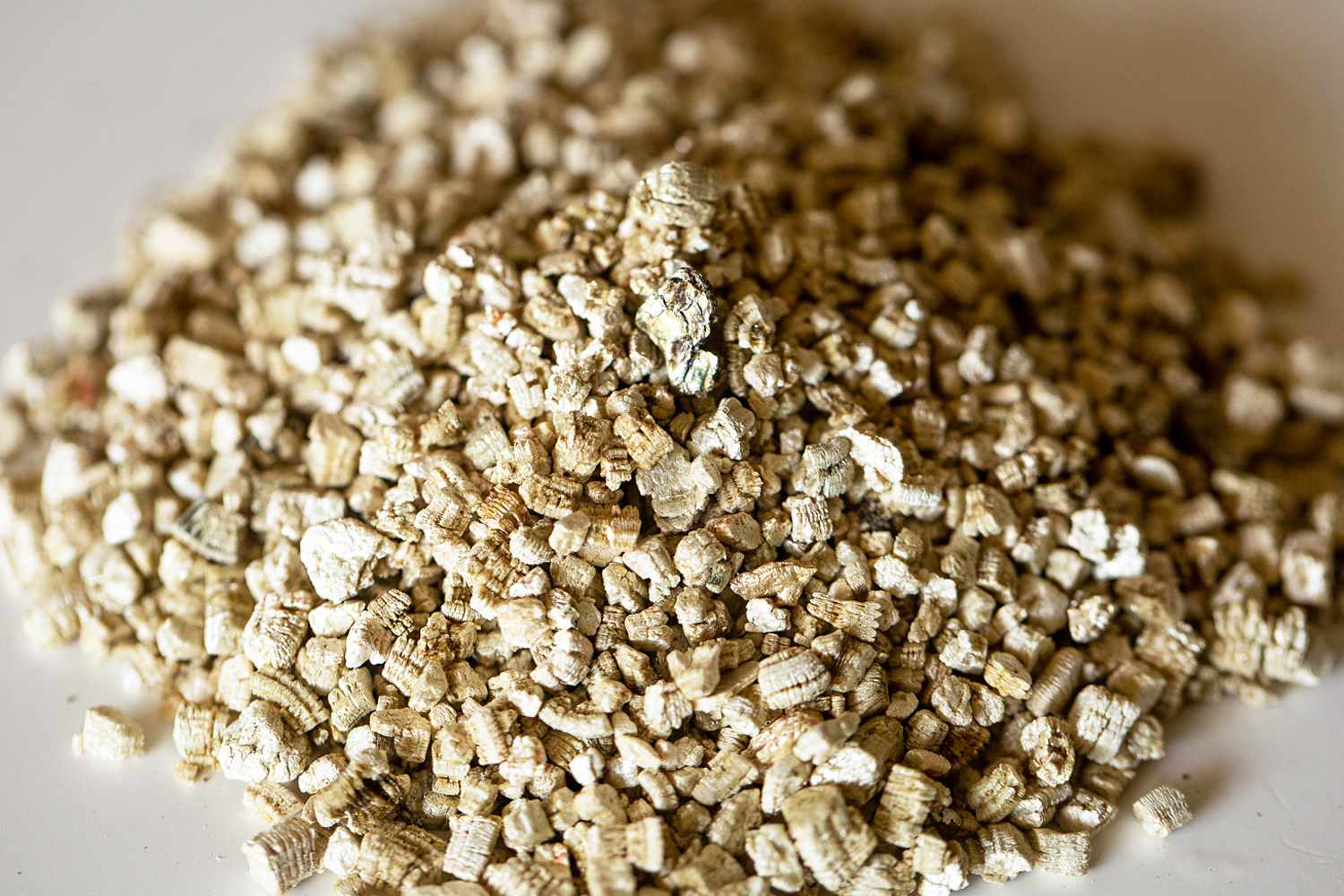
Vermiculite is a lightweight mineral used in gardening as a growing media amendment. Gardeners add it to potting, seed raising and propagation mixes where greater moisture retention and nutrient holding can be useful.
For anyone asking what is vermiculite, the key point is simple: it changes how a growing mix holds moisture and nutrients.
Different plants need different conditions around their roots. Moisture, drainage, aeration and nutrient availability all play a part, which is why gardeners often combine several growing media components rather than relying on one material alone.
Knowing what vermiculite does makes it easier to decide when it belongs in a mix and when another amendment may be more suitable.
What Is Vermiculite and Why Do Gardeners Use It?
Vermiculite is normally combined with other growing media materials rather than used as a complete replacement for soil or potting mix.
Its main role is to help a growing mix retain moisture and hold nutrients. This can be useful where the mix dries relatively quickly or where plants benefit from more consistent moisture around their roots.
Other amendments perform different jobs. Some improve aeration, while others focus more heavily on drainage or physical structure.
Vermiculite is therefore best treated as one component of a wider growing mix rather than a universal solution for every plant.
What Does Vermiculite Add to a Growing Mix?
When added to a potting, seed raising or propagation mix, vermiculite can change how that mix holds moisture and nutrients.
Its main functions include:
- helping retain moisture
- supporting nutrient holding capacity
- contributing to the structure of some growing mixes
A plant that benefits from more consistent moisture may need a different mix from one that performs better in faster-draining conditions.
How Vermiculite Differs From Other Soil Amendments
Mineral growing media amendments are not interchangeable. Each one changes a mix in a different way.
| Amendment | Main characteristic | When it may be considered |
| Vermiculite | Moisture and nutrient retention | When a mix needs to hold moisture for longer |
| Perlite | Aeration | When additional airflow is needed |
| Pumice | Drainage and structure | When drainage or physical structure is a priority |
| Grit or sand | Drainage | When a faster-draining mix is needed |
Vermiculite is mainly associated with moisture retention and nutrient holding.
Perlite is more commonly used when gardeners want to improve aeration and reduce compaction, while pumice, grit and sand may be considered where drainage is more important.
There is no single best amendment for every plant. The most suitable option depends on what the plant needs from its growing medium.
The Main Benefits of Adding Vermiculite to Soil Mixes
Improved Moisture Retention
One of the main reasons gardeners use vermiculite is to help a growing mix retain moisture for longer.
This can be useful for plants that benefit from a more consistent moisture supply or in mixes that tend to dry relatively quickly.
Container plants can be particularly sensitive to changes in moisture because pots hold a limited volume of growing material.
Adding vermiculite may help the mix hold moisture more effectively, but roots still need suitable airflow and drainage. The aim is to create suitable growing conditions rather than simply maximise water retention.
Better Nutrient Holding Capacity
Vermiculite can also help hold nutrients within the growing medium, supporting nutrient availability around plant roots as part of a broader growing mix.
It does not replace fertiliser or other growing media components. Instead, it contributes one useful characteristic within a mix designed for the needs of the plant.
Common Vermiculite Uses in Gardening
Seed Raising and Propagation
Seed raising and propagation are among the most common vermiculite uses.
Young plants have developing root systems and can be sensitive to changes in moisture. Vermiculite can be included in seed raising or propagation mixes where additional moisture retention is useful.
As a practical Australian example, the Australian National Botanic Gardens lists vermiculite and coarse river sand in a 2:1 ratio as one of its basic seed-growing mixes. This demonstrates how vermiculite can be combined with a drainage-focused material rather than used alone, helping create a growing medium with more than one functional characteristic.
The growing mix still needs to suit the plant and the propagation method being used. For gardeners starting plants from seed, the important consideration is how well the mix balances moisture retention with the airflow and drainage young roots need.
Container Gardening and Custom Potting Mixes
Vermiculite is also used in custom potting mixes.
Rather than using the same mixture for every plant, gardeners can adjust the growing medium according to the conditions a plant prefers.
For example:
- plants that prefer more consistent moisture may benefit from moisture-retaining components
- plants that dislike wet conditions may need more drainage-focused materials
- general container plants may need a balance of moisture retention, drainage and aeration
Once the plant’s requirements are understood, the growing mix can be adjusted to suit them.
Is Vermiculite Suitable for Every Plant?
Vermiculite can be useful, but it is not automatically the right choice for every plant or growing situation.
Different plants have different moisture, drainage and aeration requirements.
When Vermiculite Can Help
Vermiculite can be considered when a growing mix needs greater moisture retention.
It may be useful in:
- seed raising mixes
- propagation mixes
- custom growing media blends
- mixes for plants that benefit from more consistent moisture
Plant type, watering habits, pot size and the other materials in the mix should still be considered before making changes.
Understanding Your Plant’s Growing Requirements
More moisture retention is not always better.
A succulent, for example, may need a different balance from a plant that prefers more consistent moisture. Bonsai and orchids may also require different levels of airflow and drainage.
If a mix already stays wet for long periods, adding more moisture-retaining material may not be the right adjustment. If it dries too quickly, vermiculite may be worth considering as part of the mix.
How Vermiculite Fits Into a Complete Growing Media Strategy
Vermiculite works best when it solves a specific problem within a growing mix.
If a potting or seed raising mix dries relatively quickly, a moisture-retaining amendment such as vermiculite may help. If the mix already holds too much moisture, a drainage- or aeration-focused material may be more appropriate.
A balanced growing mix may need a combination of:
- moisture retention
- drainage
- aeration
- nutrient support
Vermiculite contributes primarily to moisture retention and nutrient holding.
Perlite is more commonly considered when aeration is the priority, while pumice, grit or sand may be more suitable where drainage and structure matter more.
At Ashi Homes & Gardens, the growing media range includes products and components for different gardening and growing requirements.
The Take Away
So, what is vermiculite?
Vermiculite is a mineral growing media amendment used to help retain moisture and support nutrient holding in potting, seed raising and propagation mixes.
It can be useful where greater moisture retention is needed, but it is not the right choice for every plant.
If moisture retention is the priority, vermiculite may help. If drainage or aeration matters more, another growing media component may be more suitable.
Understanding the difference between vermiculite, perlite and other amendments makes it easier to choose a growing mix with a clear purpose.
If you are building or adjusting a growing mix, explore our growing media and soil additives to compare options for different plant requirements.
Common Questions About Using Vermiculite
What exactly does vermiculite do in soil?
Vermiculite helps a growing mix retain moisture and hold nutrients.
It is generally used as part of a balanced growing medium rather than as a complete growing medium on its own.
Can vermiculite be used with regular potting mix?
Yes. Vermiculite can be combined with other growing media components to adjust moisture retention and nutrient holding.
The most suitable combination depends on the plants being grown and the characteristics of the existing mix.
Is vermiculite better for plants that need more moisture?
Vermiculite can be useful for plants that benefit from more consistent moisture.
However, drainage and airflow still matter, so it should be used according to the plant’s growing requirements rather than added automatically.
What is the difference between vermiculite and other mineral amendments?
Different mineral amendments serve different purposes.
Vermiculite is mainly associated with moisture retention and nutrient holding. Perlite is more commonly used to improve aeration, while materials such as pumice, grit or sand may be considered where drainage or structure is the priority.
Should beginner gardeners add vermiculite to every soil mix?
No.
Start with the requirements of the plant, then choose growing media components that support the right balance of moisture, drainage and aeration.





