
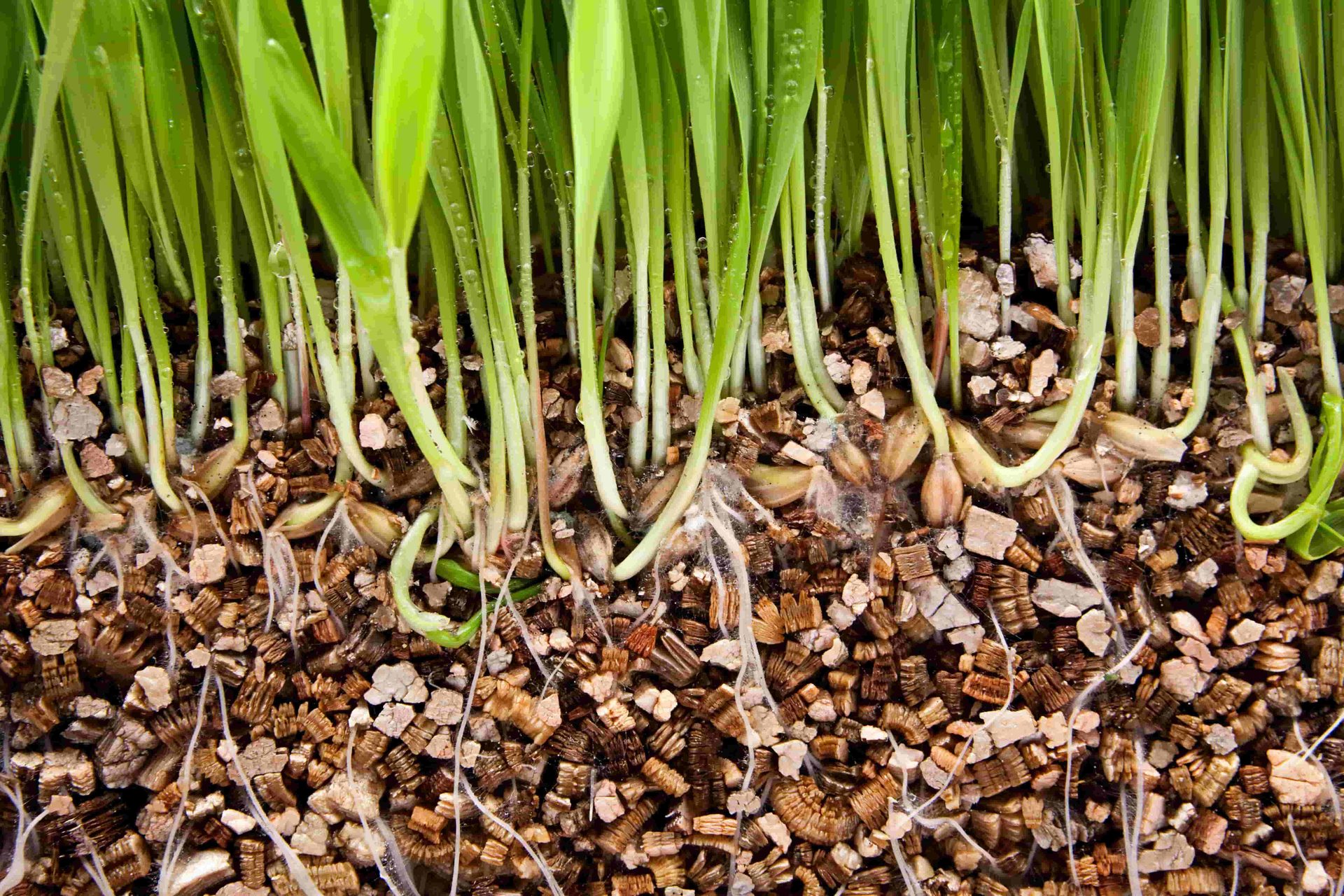
Successful seed raising depends on creating the right conditions from the beginning. Young seedlings need consistent moisture, enough airflow around their roots and a growing medium that supports healthy development.
This is where vermiculite for seedlings can be useful.
Vermiculite is a lightweight mineral material commonly added to propagation mixes because it helps retain moisture while maintaining a lighter growing structure. When used correctly, it can support more consistent germination and early root development.
However, vermiculite is not a complete solution for every plant. The best results come from using it as part of a balanced propagation system that considers drainage, moisture needs and growing conditions.
Why Vermiculite Is Used in Seed Raising Mixes
A good seed raising mix needs to balance three important factors:
- Moisture retention
- Oxygen availability around roots
- Suitable support for early growth
Seeds require consistent moisture to germinate, but saturated conditions can limit airflow and create problems for developing roots. A dry mix can interrupt germination and stress young seedlings.
Vermiculite helps manage this balance by holding moisture within the growing medium while helping maintain a loose structure.
Unlike heavier materials that can compact, vermiculite helps keep propagation mixes lighter and easier for developing roots to move through.
How Vermiculite Helps Maintain Moisture Around Seeds
One of the main reasons gardeners use vermiculite in propagation is its ability to hold water.
During germination, seeds need reliable access to moisture. Small changes in moisture levels can affect whether seeds successfully begin growing.
Adding vermiculite to a seed raising mix can help reduce rapid drying, particularly in trays, punnets and small containers where moisture levels can change quickly.
This makes vermiculite particularly useful for:
- Small seeds that need consistent moisture
- Propagation environments that dry out quickly
- Gardeners managing indoor or protected growing areas
Supporting Root Aeration Without Excess Drying
While moisture is essential, seedlings also need oxygen around their roots.
A compact growing medium can restrict airflow and make it harder for roots to develop properly. Vermiculite helps create a lighter structure that allows moisture and air to exist together within the mix.
The goal is not simply to hold more water. The goal is to create a stable environment where roots can access both moisture and oxygen.
How to Use Vermiculite for Seedlings
Vermiculite can be used in several ways depending on the type of plant, growing conditions and existing propagation materials.
It is commonly added to seed raising mixes, used as a seed covering layer or combined with other growing media components.
Mixing Vermiculite Into Seed Raising Media
Adding vermiculite to a propagation mix can improve moisture retention and help create a more suitable environment for germination.
It is often combined with other materials that provide different benefits:
- Seed raising mixes provide a balanced growing foundation
- Vermiculite improves moisture retention
- Drainage materials help prevent excess moisture
- Organic components can support longer-term plant development
The right mix depends on the plant being grown.
Seedlings that prefer consistent moisture may benefit from more moisture-holding materials, while plants that are sensitive to wet conditions may require additional drainage.
Using Vermiculite as a Seed Covering Layer
Fine vermiculite can also be used as a covering material after sowing seeds.
A thin layer can help maintain moisture around newly planted seeds while still allowing emerging seedlings to push through.
As one Australian example, TreeProject recommends applying approximately 2 mm of washed river sand or vermiculite over seed and potting mix. Its seed-raising guidance explains that this surface layer can help hold seed in place, reduce the risk of it being washed away and retain moisture during germination.
The appropriate covering depth should still match the requirements of the plant variety being grown.
This method is often useful for:
- Small seeds
- Seeds that require careful moisture management
- Propagation trays where surface drying happens quickly
The covering depth should match the requirements of the plant variety being grown.
Choosing Propagation Materials for Different Seedling Needs
Not every seedling requires the same growing conditions.
Some plants perform best in moisture-retentive environments, while others need faster drainage and increased airflow. Understanding these differences helps gardeners choose the right propagation materials.
Vermiculite is one tool within a wider propagation setup. It works best when combined with materials that provide the other characteristics your seedlings need.
When Vermiculite Works Well for Seedlings
Vermiculite can be helpful when seedlings need a more consistent moisture supply.
It is commonly considered for:
- Plants with delicate early root systems
- Seed raising mixes that dry out quickly
- Propagation setups where moisture control is important
Its moisture-holding properties can make it easier to maintain stable growing conditions during early development.
When You May Need Additional Drainage Materials
Although moisture retention is useful, some plants require a faster-draining environment.
Using too much vermiculite without considering drainage can create conditions that stay wetter than some seedlings prefer.
For plants that require more airflow, vermiculite may work better alongside other propagation materials designed to improve drainage and structure.
The best propagation mix is the one that matches the needs of the plant.
Vermiculite vs Perlite for Seedlings
Vermiculite and perlite are often compared because both are commonly used in propagation.
They serve different purposes:
| Material | Main benefit |
| Vermiculite | Helps retain moisture and maintain a lighter mix structure |
| Perlite | Improves drainage and increases airflow |
Some gardeners combine both materials to create a more balanced propagation environment.
The right choice depends on whether the main challenge is moisture retention, drainage or a combination of both.
Common Mistakes When Using Vermiculite for Seed Raising
Vermiculite is a useful propagation component, but results depend on how it is applied.
Using Too Much Vermiculite
More moisture retention does not always mean better growth.
Different plants have different requirements. A mix that works well for one type of seedling may not suit another.
Consider:
- Plant variety
- Watering routine
- Growing environment
- Drainage requirements
Ignoring Growing Conditions
Propagation success depends on more than the growing medium.
Temperature, humidity, light levels and watering practices all influence seedling performance.
Vermiculite can support better moisture control, but it works alongside good propagation practices rather than replacing them.
Building a Better Propagation Setup With the Right Growing Media
Reliable propagation starts with choosing materials that suit the plants you want to grow.
Vermiculite can help improve moisture management and maintain a lighter growing structure, but the best results usually come from combining it with other suitable propagation materials.
Choosing the right seed raising supplies, growing media and propagation equipment gives seedlings a stronger foundation from germination through early growth.
Explore quality propagation products and growing media options to create a setup suited to your plants and growing conditions.
Questions Gardeners Ask About Vermiculite for Seedlings
Is vermiculite good for seedlings?
Yes, vermiculite can be useful for seedlings because it helps retain moisture and supports a lighter propagation mix. It is most effective when used alongside other suitable growing media.
Can vermiculite be used on its own for seed propagation?
Vermiculite can be used in some propagation situations, particularly for moisture-sensitive seeds, but it is not always the best complete growing medium. Many gardeners combine it with other materials for better balance.
What does vermiculite add to a seed raising mix?
Vermiculite improves moisture retention and helps maintain a lighter structure within the growing medium. It can also help create more consistent conditions around developing roots.
Is vermiculite better than perlite for seedlings?
Neither material is better in every situation. Vermiculite focuses more on moisture retention, while perlite is commonly used to improve drainage and airflow.
How do I know if my propagation mix is balanced?
A suitable propagation mix should provide enough moisture without becoming waterlogged. Consider the plant’s needs, drainage requirements and growing environment when selecting materials.





