
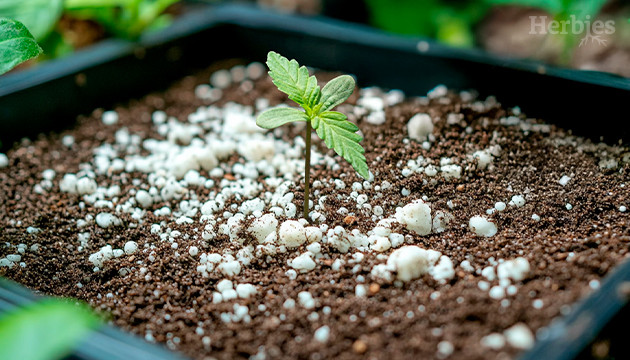
Perlite is the silent game-changer in potting mix. It’s cheap. It’s abundant. Yet most urban plant parents ignore it. Big mistake. Without perlite, your soil compacts. Roots suffocate. Water drowns the crown. You watch seedlings wilt. You blame lack of sun or overwatering. The real culprit is simple: you skipped perlite. Perlite transforms your soil into an oxygen-rich, well-drained medium. It fights compaction. It prevents root rot. It gives young roots room to breathe and stretch. That’s why pros swear by it.
In this article, you’ll discover exactly what perlite is, how it’s made, and why it dominates in the benefits of perlite. No fluff. No filler. Just straight facts that urban growers can use today. If you repot without perlite, you’re gambling with every plant in your care. Keep reading or watch your indoor jungle wither.
What is Perlite?
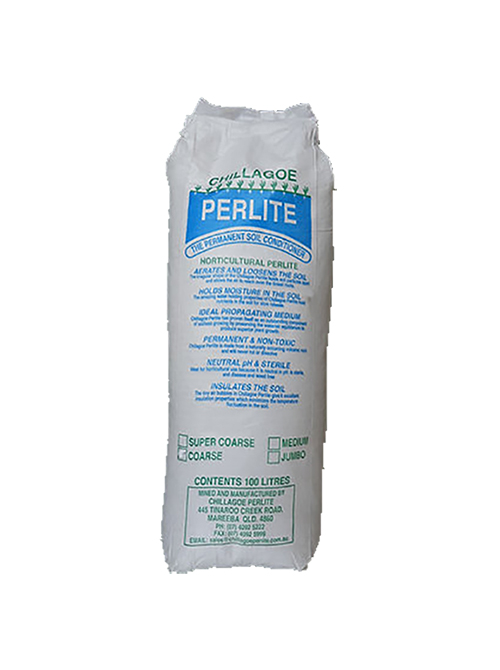
Perlite is a volcanic glass. It’s born when lava cools rapidly and traps water inside. That water turns to steam during mining and processing. The result is a white, lightweight, porous rock that looks like tiny popcorn.
How it’s produced:
- Mining: Raw perlite ore is extracted from open-pit mines.
- Crushing: The ore is crushed into granules.
- Expansion: Granules are rapidly heated to around 900°C.
- Puffing: Trapped moisture flashes to steam, expanding the granule 4–20 times its original size.
The final product is sterile. It carries no pests. It carries no weed seeds. It’s inert. It doesn’t break down or lose volume over time.
Role in gardening:
- Space creator. Those air pockets prevent compaction.
- Drainage manager. Extra voids let excess water flow through.
- Weight reducer. It’s up to 90% air. Your pots stay light, even when fully wet.
- pH stabiliser. It stays neutral at about pH 7.0.
In short, perlite is a multitool. It boosts soil performance without altering chemistry. That’s why serious growers add it to every potting mix.
The Benefits of Perlite in Gardening

When you hear “benefits of perlite,” think instant soil upgrade. Here’s the breakdown:
- Enhanced Aeration.
Perlite’s porous structure creates millions of micro-air pockets. Roots get plenty of oxygen. Healthy roots mean healthy plants. No perlite = suffocating soil = stunted growth. - Improved Drainage
Too much water kills. Perlite channels excess moisture away from roots. Say goodbye to waterlogged soil. Prevent root rot before it starts. - Lightweight Nature
Traditional clay or gravel additives weigh down pots. Perlite weighs next to nothing. Move your pots without straining your back. Ideal for balconies and window sills. - pH Neutral
Some amendments alter soil chemistry. Not perlite. It stays at a stable pH. It won’t spike acidity or alkalinity. It simply supports balanced nutrient uptake. - Pest Control
Gone are the days of soggy, pest-friendly soil. Dry, airy soil discourages fungus gnats and other soil-borne pests. Less infestation. More thriving greenery.
Skip these advantages and watch your urban oasis collapse under compaction, rot, and pests. The benefits of perlite aren’t optional—they’re mandatory.
Next up: how to use perlite at the correct ratios and avoid common misconceptions. But remember this: repot without perlite at your own risk.
How to Use Perlite
Bold moves demand clear steps. Here’s how to wield perlite in your potting mix without second-guessing.
- Choose the right ratio
- General houseplants: 1 part perlite to 4 parts soil.
- Seedlings and cuttings: 1 part perlite to 2 parts soil.
- Succulents and cacti: 1 part perlite to 1 part soil.
- Prepare your mix
- Start with a high-quality potting soil.
- Measure perlite by volume, not weight.
- Pour soil and perlite into a clean bucket.
- Stir thoroughly until white flakes are evenly dispersed.
- Repotting timing
- Early spring or early autumn.
- When roots circle the pot or soil compacts.
- After signs of poor drainage: yellowing leaves, root rot risk.
- Application tips
- Fill the pot one third full, add mix, nestle the plant, top up.
- Gently firm the mix—avoid compaction.
- Water lightly to settle soil. Avoid waterlogging
Why these steps matter: perlite’s benefits of perlite aren’t just marketing jargon. It creates air pockets. It prevents soggy soil. It speeds up root growth. Follow the ratios and timing. Cut out the guesswork.
Common Misconceptions About Perlite
Myth 1: Perlite is toxic to plants.
Fact: Perlite is inert. It’s pH neutral. It won’t alter soil chemistry.
Myth 2: It floats away during watering.
Fact: Proper mixing locks perlite in place. Use the ratios above. Water with purpose.
Myth 3: Perlite damages the environment.
Fact: Perlite is mined responsibly and often recycled in industrial processes. Its inert nature means no leaching of harmful compounds.
Myth 4: It’s only for professionals.
Fact: Urban plant parents achieve killer results. Perlite is user-friendly. No expertise required.
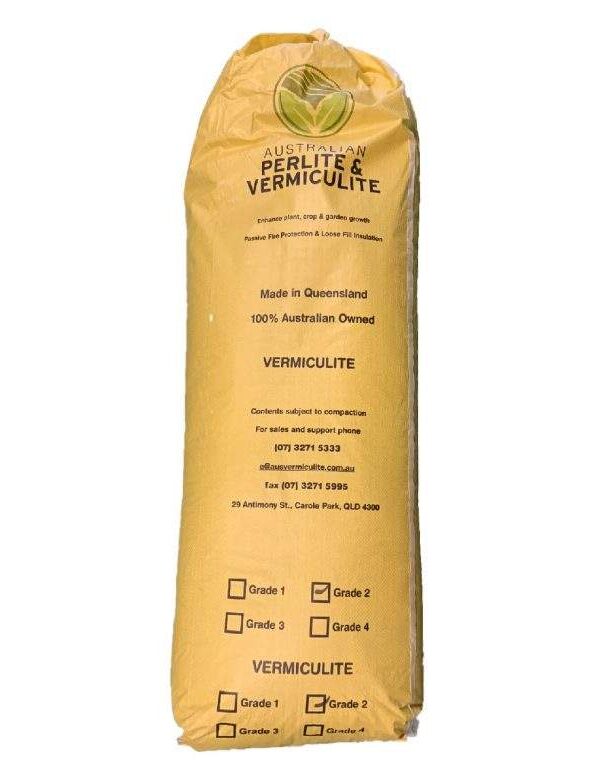
Myth 5: Vermiculite is superior.
Fact: Vermiculite holds too much water. It can suffocate roots. Perlite balances moisture and aeration.
Stop falling for half-truths. The benefits of perlite outweigh its cost by a mile. It’s cheap. It’s effective. It’s safe.
You’ve seen the power of perlite. Increased aeration. Rock-solid drainage. Lighter pots. Pest reduction. Neutral pH. That’s the benefits of perlite in a nutshell. No fluff. No filler. Just results. Want vigorous roots? Want to avoid root rot? Want happier plants? You need perlite.
Call Ashi Homes And Gardens on 0421 382 444. Get your perlite today. Mix it right. Watch your plants thrive.
Use perlite or repot at your own risk.






