
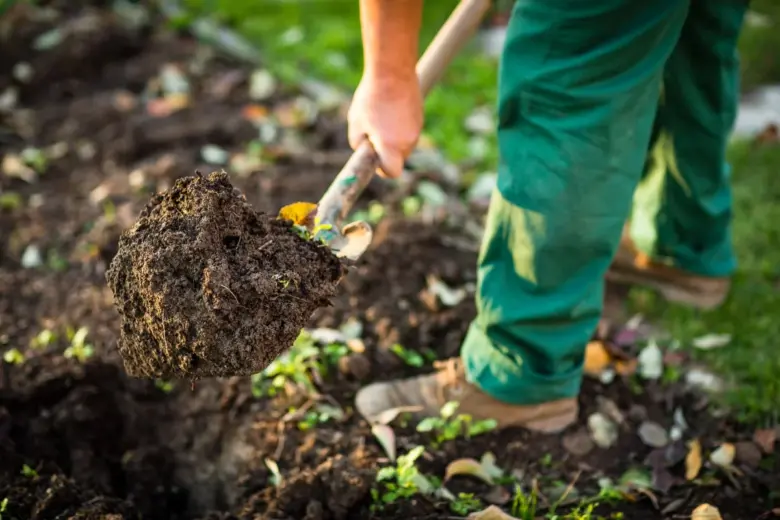
Sustainable gardening is no longer just a niche trend—it’s becoming the heart of how we grow, cultivate, and connect with our environment. As gardeners, our focus is often on the plants we nurture: their size, colour, and yield. But what if the true foundation of success lies beneath those plants—in the very soil itself? Enter coconut coir soil, an eco-friendly, renewable alternative that’s reshaping how sustainable gardeners think about soil health. Unlike conventional soils, which can be prone to depletion and contamination, coconut coir offers a fresh way to replenish and rejuvenate the earth in your garden. It’s a product harvested from the fibrous husks of coconuts, usually discarded as waste, now repurposed to support thriving, healthy gardens.
This isn’t just about swapping one medium for another—it’s a shift in mindset towards regeneration, sustainability, and respect for the natural systems that support plant life. For the eco-conscious gardener aiming to build resilience from the ground up, coconut coir could be the game-changer you didn’t know you were waiting for.
Understanding Coconut Coir Soil
At its core, coconut coir soil is a natural fibre extracted from the outer husk of the coconut fruit. This material, previously considered agricultural waste, undergoes a process to separate the long fibres from the pith and dust. The result is a lightweight, spongy growing medium often compressed into blocks or sold as loose, ready-to-use soil amendments.
Coconut coir comes in several forms:
- Coir pith (or coco peat): This is the fine powdery part of the coir, excellent for water retention and aeration.
- Coir fibre: The long, stringy fibers provide structural support and improve drainage when mixed with heavier soils.
- Coco chips: Small pieces of coir fibre used for mulching or as a drainage layer at the bottom of pots.
Each type serves different gardening purposes but shares the same fundamental eco-friendly characteristics. Coconut coir is used globally—from tropical plantations to urban balcony gardens—for seed starting, potting mixes, hydroponics, and soil conditioning.
Its versatility makes it especially valuable in sustainable gardening where enhancing soil texture, water efficiency, and plant health is essential.
Benefits of Using Coco Coir Soil

The advantages of coconut soil stretch beyond its renewable origins. For gardeners who prioritise eco-conscious choices, the benefits are both practical and environmental.
Environmental Impact
Coconut coir is a byproduct of the coconut industry, making it an excellent example of upcycling. The ABC Gardening Australia guide to coconut fibre explains how this natural material is used sustainably in Australian gardens for potting, mulching, and hydroponics. Unlike peat moss, which is harvested from fragile bog ecosystems at a slow natural regeneration rate, coir is both abundant and renewable. It’s biodegradable and compostable, reducing reliance on synthetic or non-renewable soil amendments.
Water Retention
One of the most impressive features of coconut coir soil is its ability to retain moisture—up to eight times its dry weight in water. This capacity helps reduce watering frequency, conserves precious water resources, and keeps plant roots consistently hydrated without becoming waterlogged.
Nutrient Availability
While coir itself contains modest amounts of natural potassium and other trace minerals, it functions primarily as a soil conditioner rather than a fertiliser. It improves the soil’s capacity to hold nutrients by enhancing aeration and water retention, making it easier for plants to absorb what they need from fertilisers or compost added to the soil.
pH Neutral
Many soil amendments can alter a garden’s pH, sometimes forcing gardeners to continually adjust their soil chemistry. Coconut coir soil is naturally pH neutral, typically ranging between 5.5 and 6.8, which suits a broad range of plants. This neutrality means it supports a diverse garden without drastic changes needed over time.
In summary, coconut coir soil pairs sustainability with superior growing conditions, presenting a smart alternative for gardeners who want to build healthier soils and resilient ecosystems without compromising environmental ethics.
How to Use Coco Coir Soil in Your Garden
Using coconut coir soil effectively can rejuvenate your garden while promoting sustainability. But to get the most from this versatile growing medium, preparation and proper application are key.
Preparing Coconut Coir Soil
Coconut coir typically arrives in compressed blocks or bales. Before it can nourish your plants, you’ll need to hydrate and fluff it up. Here’s how:
- Hydrate: Soak the compressed coir block in water for 8 to 12 hours. This allows it to absorb water and expand to many times its dry volume.
- Fluff: Once fully expanded, use your hands or a garden fork to break apart the coir. This ensures it regains its light, fibrous texture ideal for root penetration and air circulation.
- Drain excess water: After soaking, allow the coir to drain if it feels overly soggy. Ideal moisture content is damp but not waterlogged.
This preparation step is vital as unprepared coir can compact or hold too much moisture, affecting plant health.
Mixing Coco Coir with Other Soil Products
Coconut coir soil shines when used as part of a balanced soil blend rather than a standalone medium. It works well mixed with:
- Compost: To add organic nutrients, mix coir with compost at a ratio of around 3:1 (coir to compost). This boosts fertility, providing a nutrient-rich base.
- Perlite or vermiculite: Adding about 10-20% perlite improves drainage and aeration, essential for plants sensitive to soggy roots.
- Topsoil or garden soil: For heavier soil areas, blend coir at roughly 30-50% by volume to lighten the texture and improve water retention.
- Fertiliser: Since coconut coir is low in nutrients by itself, supplementing with slow-release organic fertiliser or liquid feed ensures your plants get adequate nourishment over time.
Planting Techniques Using Coconut Coir Soil
Using coconut coir soil correctly can enhance plant health whether you’re growing in beds or pots.
- Vegetable gardens: Mix hydrated coir into your raised beds or allotment plots to improve moisture control, especially during dry periods. It helps your veggie roots breathe, reducing stress and encouraging growth.
- Seed starting: Coconut coir’s fine texture makes it an excellent seed-starting medium. Fill seed trays with moist coir for a sterile, disease-resistant environment that encourages even germination.
- Potted plants: Use coir as part of your potting mix to retain water and keep soil light. Replace peat moss with coir in containers to promote sustainability without sacrificing performance.
- Mulching: Spread dry coconut coir on top of your soil around plants to help retain moisture, suppress weeds, and slowly breakdown into beneficial organic material.
In every case, keep an eye on moisture levels. Coconut coir holds water well but can dry out quicker in hot, windy conditions due to its porous nature. Adjust watering schedules accordingly.
By understanding preparation, mixing, and planting strategies, you can integrate coconut coir soil into your gardening routine and transform your soil’s health sustainably.
Frequently Asked Questions About Coco Coir Soil
When it comes to adopting coconut coir soil in your garden, you’re bound to have questions. Let’s address some of the most common queries sustainable gardeners have, alongside expert opinions to guide your decision.
How long does coco coir soil last?
Coconut coir is highly durable and decomposes more slowly than other organic materials like peat moss. In the soil, it can last several years, gradually breaking down and enriching the earth. It is also biodegradable and won’t accumulate harmful residues, making it both a sustainable and long-lasting option.
Is coco coir cost-effective compared to traditional soil?
While initial costs may seem higher than ordinary topsoil or peat-based mixes, coconut coir’s water retention and aeration properties reduce the need for frequent watering and soil amendments. Over time, these savings in water usage and improved plant performance often offset upfront expenses, proving cost-effective for eco-conscious gardeners.
Are there any downsides to using coco coir soil?
One consideration is that coconut coir is naturally low in nutrients, so it should be supplemented with organic fertilisers to meet plants’ nutritional needs. Also, some coir products can have high salt content if not properly washed, so choosing quality, rinsed coir from reputable suppliers like Ashi Homes And Gardens ensures you avoid this issue.
What do gardening experts say about coconut coir soil?
Local horticulturists and sustainable gardening advocates increasingly endorse coconut coir. For example, Sarah Mitchell, a permaculture expert, notes: “Coconut coir is a game-changer in sustainable soils. Its ability to hold moisture while allowing airflow creates healthier root environments, especially in water-scarce areas.”
Additionally, case studies of community gardens shifting from peat to coconut coir report healthier plants and greater soil biodiversity over time, underlining its regenerative potential.
Can I use coco coir soil for all types of plants?
Coconut coir soil is broadly versatile and supports a wide variety of plants—from vegetables and herbs to flowers and shrubs—due to its neutral pH and adaptable texture. However, acid-loving plants like blueberries might require more acidic amendments. It’s always worthwhile to test soil mixes in small batches for particular species.
Conclusion
Coconut coir soil isn’t just a soil alternative; it’s a catalyst for change in the way we garden and care for our environment. By incorporating this sustainable, renewable resource into your garden, you’re not only improving water retention and soil structure but also contributing to soil regeneration on a larger scale.
From preparation to planting, coconut coir offers flexibility and resilience that traditional soils often lack. You gain a growing medium that nurtures your plants while honouring the planet beneath them. For sustainable gardeners, this is the future of eco-friendly cultivation—balancing productivity with responsibility.
Are you ready to transform your garden with coconut coir soil? Explore the range of premium coconut coir products at Ashi Homes And Gardens. Our carefully sourced coir supports your eco-conscious values while providing exceptional gardening performance.
For expert advice and quality products, call 0422 382 444 today. Let’s cultivate a greener garden and a healthier planet, one handful of soil at a time.
Start your sustainable gardening journey with coconut coir soil from Ashi Homes And Gardens—where quality meets care. Contact us now at 0422 382 444 or visit our website to discover how our coconut coir soil can revitalise your garden and nurture the earth for generations to come.





