Considered a gardener’s secret weapon, Japanese pumice transforms soil quality, enhancing root structure and encouraging robust growth. But what makes this volcanic material so exceptional? Dive into the world of Japanese pumice and unlock the secrets to healthier, more vigorous plants.
Part 1: Understanding Japanese Pumice
What is Japanese Pumice?
Japanese pumice is a naturally occurring volcanic rock known for its lightweight and porous characteristics. The unique texture of pumice originates from the rapid cooling of volcanic lava, entrapping air bubbles within its matrix. This results in its well-known spongy form. The benefits of pumice, particularly from Japan, lie in these unique characteristics, which have been harnessed for various applications, notably in horticulture.
When compared to other volcanic materials, such as scoria or perlite, Japanese pumice has distinct advantages. Unlike scoria, which is denser and less porous, pumice allows for superior aeration and drainage, preventing root rot and encouraging plant health. On the other hand, pumice retains moisture more effectively than perlite, striking a balance that greatly benefits root systems. Its stability in water also ensures that it does not compact or break down over time, maintaining soil structure for the long term.
- Please choose product options by visiting KANUMA SOIL 3-6mm 14L.
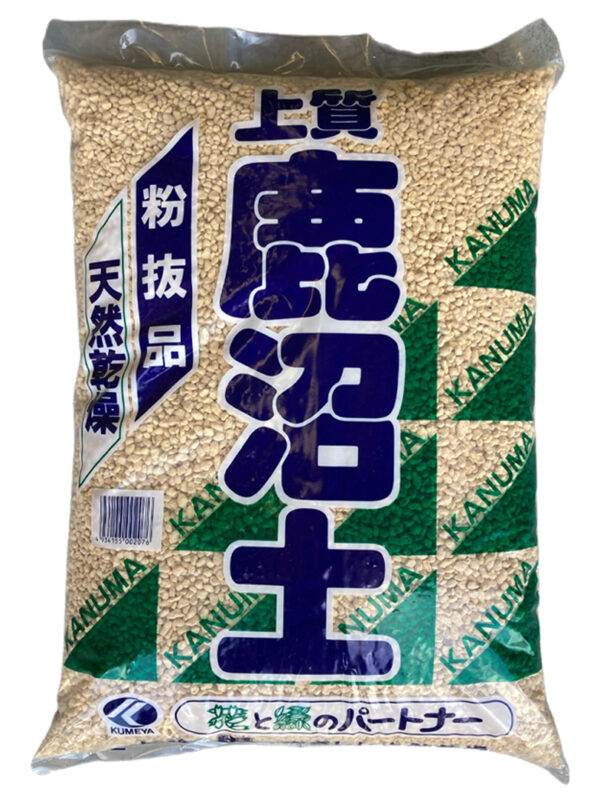
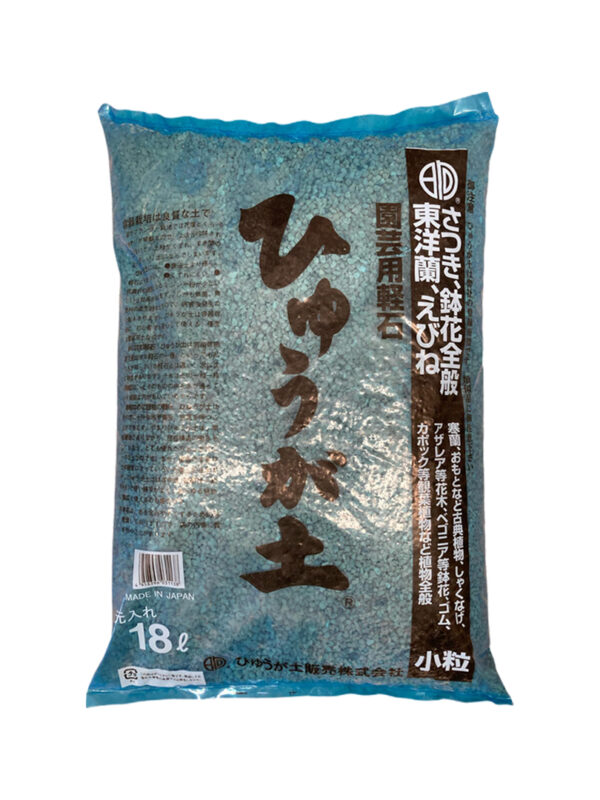
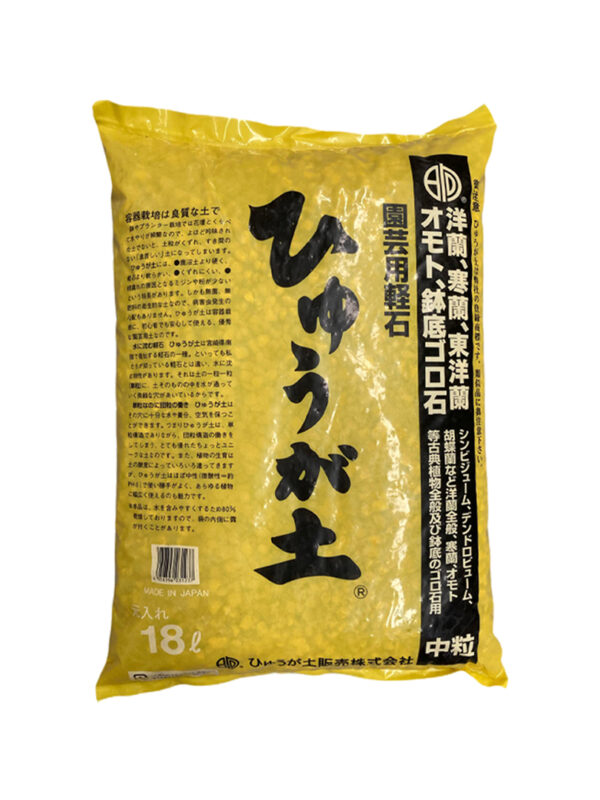
The geological formation of Japanese pumice is a fascinating process rooted in volcanic activity. When volcanoes erupt, the rapid cooling of lava containing high levels of gas results in the formation of pumice. This cooling traps gas bubbles, creating its characteristic porous structure. The quality of Japanese pumice comes from this geological process, which differs across regions due to varying mineral compositions.
Some regions in Japan are renowned for their high-quality pumice deposits. Prefectures such as Kagoshima, home to active volcanoes like Sakurajima, produce some of the finest. Here, the volcanic activity is consistent, providing a continuous supply of fresh pumice, ideal for horticultural needs. This simultaneously supports local economies and offers gardeners a reliable source of this valuable resource.
Understanding the origins and characteristics of Japanese pumice allows gardeners to appreciate its unique properties and choose the best material for their specific planting needs.
Part 2: The Benefits of Using Volcanic Stone in Plant Cultivation
Enhancing Root Growth
The inclusion of well-chosen volcanic stone in your gardening or agricultural practices can significantly enhance the growth of plant roots. One of the primary benefits of volcanic stone is its ability to improve aeration and drainage within the soil. The porous nature of the stone allows air to circulate freely around the root systems, preventing the risk of waterlogging which can lead to root rot and other detrimental conditions. By promoting an environment where roots can breathe, plants are able to establish a more robust and expansive root system, which is crucial for their overall health and stability.
Another advantage is the stone’s capacity for nutrient retention. While promoting excellent drainage, volcanic stone also helps to maintain adequate moisture levels and retains essential nutrients that plants require for growth. This dual capability means that nutrients are made available to plants consistently, creating a balanced environment that supports healthy, vigorous root development.
Environmental and Sustainable Advantages
Volcanic stone is not only beneficial for plants but also offers several environmental and sustainability advantages. As an eco-friendly and natural resource, it reduces the need for synthetic soil amendments, which can be harmful to the environment. Furthermore, the sourcing and use of volcanic stone contribute to minimal carbon footprints compared to the production of artificial growing media.
One of the most appealing characteristics of volcanic stone is its reusability and longevity. Unlike organic matter that decomposes over time, volcanic stone remains structurally sound and can be reused multiple times without losing its properties. This aspect not only makes it a cost-effective option for gardeners and commercial growers but also a sustainable choice that reduces waste and conserves natural resources.
Part 3: Applications of Japanese Pumice in Nurseries
Optimal Soil Mixes with Pumice
One of the most effective uses of Japanese pumice in nursery settings is as a component in professional soil mixes. Due to its unique porous structure, pumice enhances both aeration and drainage, addressing a core challenge for growers: maintaining a balanced soil environment. Poor drainage often leads to root rot and fungal infections, while excessive drainage can dehydrate roots too quickly. Japanese pumice naturally moderates these conditions, making it an invaluable amendment in soilless and semi-soilless mixes.
When blending pumice with other substrates, such as coco coir, peat moss, perlite, or akadama, understanding the correct ratios is essential for optimal plant health. For succulents and cacti—which thrive in well-draining soils—a common mix is 60-70% pumice with 30-40% organic matter. Orchids and bonsais also benefit from a high pumice content, generally in a 50:50 blend with bark or specialised orchid media. This reduces the frequency of root disturbance, especially beneficial for slow-growing species.
For young seedlings and cuttings, lower pumice ratios (20-30%) incorporated into traditional potting compost can stimulate early root development while still retaining adequate moisture. Nursery operators are advised to review species-specific needs, as certain moisture-sensitive plants like ferns or calatheas may require adjustments. Utilising pumice alongside loam or compost enhances both immediate structure and long-term nutrient buffering.
Enhancing Pest and Disease Resistance
Japanese pumice also contributes to healthier nursery stock by indirectly reducing the incidence of soil-borne diseases and pests. Its naturally airy structure discourages the formation of anaerobic conditions, which are a primary breeding ground for fungi like Pythium and Phytophthora. These fungal pathogens are notorious for causing root rot and blight in nursery plants, particularly in damp, compacted soils.
By improving oxygen flow within the root zone, pumice helps create conditions that support beneficial microbial communities while suppressing harmful organisms. This biological balance plays a critical role in boosting the plant’s immune responses. Root health is significantly elevated, and stress levels caused by waterlogging or compaction are minimised—even during high rainfall periods or under heavy misting indoors.
Pumice’s physical properties further deter soil-dwelling insect pests such as fungus gnats and shore flies. These pests are often attracted to consistently wet organic media surfaces. The use of a top dressing of pumice, 1–2 cm thick, creates a dry, hostile barrier that prevents egg laying and larval development without the need for chemical intervention. Practically, this translates to reduced pesticide use across batches of propagation trays and growing containers.
Moreover, nursery operators dealing with high humidity or compact planting may observe that pumice-integrated media exhibit better resistance to microbial outbreaks. Moss and algal growth, often triggered by constant moisture retention, are significantly lowered, meaning cleaner tray surfaces and less maintenance surrounding seedlings. In these settings, pumice indirectly contributes to a more hygienic, disease-suppressed plant nursery.
Part 4: Utilising Pumice in Commercial Growing Operations
Large-scale Implementation Strategies
The transition from small-scale to commercial horticulture brings with it new challenges, particularly when it comes to optimising soil structure for healthy root systems and optimal plant performance. Japanese pumice, renowned for its lightweight and porous nature, offers consistent benefits that scale effectively into larger commercial operations. Integrating pumice into your commercial growing processes can yield considerable advantages, provided the approach is carefully tailored to the demands of high-volume cultivation.
One of the main considerations for commercial growers is managing the consistency of substrate mixes across vast planting areas. Pumice’s uniform texture and predictable drainage characteristics make it ideal for bulk mixing processes. To incorporate pumice efficiently, growers should use commercial-grade soil mixers capable of distributing it evenly with other substrates such as coco coir, peat, perlite, or composted bark. Typically, industry-proven ratios range from 10% to 40% pumice volume, although the ideal percentage depends on the crop type, irrigation frequency, and environmental factors.
Irrigation management is another critical component, and integrating pumice allows for better control of water retention and drainage at scale. With its capacity to hold water in micro-pores while avoiding waterlogging, pumice helps maintain a consistent moisture level in plant beds or containers. This positively impacts not only root aeration but also nutrient delivery, minimising issues related to overwatering or nutrient leaching.
To improve the cost-effectiveness of incorporating pumice on a commercial scale, many growers establish long-term supplier relationships and purchase in bulk. Securing pumice by the tonne rather than smaller retail portions significantly reduces per-unit costs and ensures a consistent supply for ongoing cultivation needs. Bulk deliveries can be stored on-site in moisture-resistant facilities or under cover in open yards to facilitate easy access during soil mixing cycles.
Seasonal or crop-specific requirements may demand occasional adjustments in pumice application. For example, crops with shallow root systems or high sensitivity to water retention, such as herbs or succulents, may benefit from a higher pumice ratio. Conversely, fruit crops that require richer nutrition may perform best with lower pumice proportions balanced with high-organic substrates. Conducting trials before full-scale application can help identify the ideal formulation for each plant category.
Enhancing Crop Yield and Quality
The inclusion of Japanese pumice in commercial growing operations has been demonstrated to enhance both yield and crop quality in numerous case studies worldwide. One of its core strengths lies in promoting healthier and more expansive root systems, which are essential for strong vegetative growth and robust flowering or fruiting phases.
In a commercial greenhouse environment, where uniformity and predictability are crucial, crops grown in pumice-amended substrates consistently develop stronger root zones. These roots are more capable of absorbing water and essential minerals thanks to the improved air pockets and drainage. The result is better biomass accumulation, higher flower or fruit numbers, and reduced incidences of root diseases.
For example, several commercial tomato growers in Japan and Australia have reported notable increases in yield and plant resilience after integrating 30% pumice into their substrate mixes. Tomatoes grown under these conditions not only produced more fruit but also exhibited reduced vulnerability to root rot and other fungal issues. The porous nature of pumice helps reduce stagnant moisture at the root zone, which significantly limits conditions conducive to pathogens.
Ornamental and nursery plant producers have also seen improved product quality, with plants exhibiting brighter foliage, firmer stems, and more vigorous growth overall. These improvements in plant health translate to greater aesthetic value and quicker sales cycles, which is essential for profitability in commercial nurseries.
The structural stability of pumice is particularly beneficial for perennial crops and long-cycle produce, where substrate breakdown over time can lead to compacted soils and root suffocation. Unlike organic matter that decomposes, pumice retains its shape and porosity long-term, which minimises the need for media replacement and reduces recurring costs.
The impact of pumice on plant quality is also evident in hydroponics-adjacent systems such as inert media cultures and semi-hydroponic beds. In these systems, pumice can be used either as a standalone medium or in combination with other inert substrates to provide both structural support and root aeration. Its ability to harbour beneficial microbes adds yet another dimension of advantage for nutrient cycling and root health.
Overall, the use of pumice in commercial growing does more than improve basic plant conditions: it optimises operational efficiency, enhances crop reliability, and contributes to sustainable farming systems. Whether in soil-based field agriculture, container nurseries, or hydroponic set-ups, pumice has proven an invaluable asset for large-scale growers aiming to boost productivity while maintaining high-quality standards.
Part 5: Selecting and Sourcing Quality Japanese Pumice
Determining the Right Grade and Particle Size
Selecting the appropriate grade and particle size of Japanese pumice is crucial for optimising its benefits in plant cultivation. Different plants have varying needs; hence, understanding these requirements is fundamental. Finely-grained pumice is ideal for seedlings and plants with delicate roots, as it provides enhanced aeration while retaining sufficient moisture. Conversely, coarser grades are suited for mature plants that require excellent drainage.
The consistency of pumice affects its application, with finer particles compacting more easily, while coarser grades maintain looseness for better air flow. It is essential to match the type of pumice to the plant species’ specific growing conditions for maximised root strength and health.
Reputable Suppliers and Sourcing Tips
When sourcing Japanese pumice, especially in regions outside Japan such as Australia, it is important to rely on reputable suppliers known for providing authentic, high-quality pumice. Be wary of imitations or blends that may not offer the same benefits as true Japanese pumice. Research suppliers by reviewing customer feedback and industry recommendations to ensure product authenticity.
Consider purchasing in bulk to reduce costs if engaging in large-scale gardening or commercial operations. Request samples where possible to test the quality before committing to large orders. Evaluate suppliers based on their ability to provide consistent quality and grade specifications tailored to your cultivation needs.
Part 6: Best Practices for Incorporating Pumice in Plant Care
Maintaining Optimal Growing Conditions
Incorporating Japanese pumice into plant care requires adjustments to standard growing practices. Due to pumice’s superior drainage characteristics, irrigation practices may need adaptation to prevent over-drying. It is advisable to monitor soil moisture levels more frequently, adjusting irrigation schedules to maintain adequate hydration without promoting root rot.
Fertilisation practices also may need refinement. Pumice’s nutrient retention properties mean fertilisers can be applied less frequently but require monitoring to ensure plants receive necessary nutrients. Consider regular soil testing to maintain an optimal balance of nutrients tailored to the specific needs of your plants.
Long-term Maintenance and Pumice Reuse
One of the significant advantages of using Japanese pumice in horticulture is its reusability, contributing to sustainable gardening practices. To prepare pumice for reuse, thorough cleaning is essential to remove residual soil, plants matter, and potential pathogens, helping to prevent contamination of future soil mixes.
Pumice’s longevity is one of its greatest assets. While cleaning used pumice can be labour-intensive, the environmental and economic benefits of its reusability make it worthwhile. Recycling pumice not only reduces waste but also ensures a continuous supply of high-quality substrate for ongoing horticultural activities, reinforcing sustainable cultivation practices.
Optimised Use of Japanese Pumice in Plant Nurseries
1. What makes Japanese pumice particularly suitable for plant nurseries?
Japanese pumice is lightweight and porous, promoting superior aeration and drainage. This prevents root rot, a common pain point for plant nurseries. Its stability over time helps maintain long-term soil structure, supporting sustainable plant growth.
2. How does Japanese pumice improve soil conditions for plant health?
The naturally airy structure of pumice prevents the formation of anaerobic conditions which can foster fungal diseases like root rot. Enhanced oxygen flow supports healthy microbial activity, boosting plant immunity and reducing stress due to waterlogging or compaction.
3. What are the best mixes for using pumice in soil at nurseries?
For succulents and cacti, a mix of 60-70% pumice with 30-40% organic matter is ideal. Orchids and bonsai benefit from a 50:50 mix with specialised media. For seedlings, consider incorporating 20-30% pumice into traditional potting compost to encourage early root development.
4. How does pumice contribute to pest resistance in commercial growing?
By ensuring excellent drainage and preventing consistently wet surfaces, pumice deters soil-dwelling pests like fungus gnats and shore flies. A top dressing of pumice can create a dry barrier against these insects, reducing the need for chemical interventions.
5. How can nurseries select the right grade and particle size of pumice?
Finely-grained pumice is suited for seedlings needing more moisture retention, while coarser grades are better for mature plants requiring superior drainage. Matching the type of pumice with plant species’ needs maximises root strength and overall health.
6. What should nursery operators consider when sourcing quality pumice?
It is important to source from reputable suppliers known for authentic, high-quality Japanese pumice. Research suppliers based on customer feedback and industry recommendations. Request samples to test quality before large purchases to ensure specifications meet your needs.
7. Are there best practices for maintaining optimal growing conditions when using pumice?
Due to pumice’s drainage qualities, irrigation may need to be adjusted to prevent drying out. Monitor soil moisture levels and adapt fertilisation to accommodate pumice’s nutrient retention to maintain essential nutrient balances.
8. How can Japanese pumice support sustainable gardening practices?
Pumice is reusable, which makes it environmentally friendly. To prepare for reuse, thoroughly clean it to remove residues and pathogens. This reduces waste and assures a sustainable supply of high-quality substrate for horticultural activities.
9. What role does pumice play in reducing fungal diseases in nurseries?
By improving air flow within the root zone, pumice reduces conditions favourable to fungal pathogens like Pythium, which thrive in damp, compacted soils. This helps reduce disease outbreaks and improves overall plant health and resilience.
10. Is it cost-effective for commercial growers to integrate pumice into their operations?
While there may be an initial investment, the reusability and durability of pumice offer long-term economic benefits by reducing the need for frequent soil replacement. It also leads to decreased pesticide costs, lower disease incidence, and better plant growth outcomes.