
You’ve poured water day after day, watched your miniature leaves curl and brown, and wondered if you’ll ever see your bonsai thrive. Here’s the twist: it isn’t your watering schedule that’s failing—it’s the soil beneath those roots. Enter the Japanese soil miracle: a precise blend of Akadama, Kanuma and Pumice that delivers oxygen, drainage and nutrients in perfect harmony. Ready to swap frustration for flourishing foliage? Let’s dig into why the best soil for bonsai is the real game-changer.
Choosing the best soil for bonsai isn’t just a detail—it’s the foundation of every healthy miniature masterpiece. Unlike potted houseplants, bonsai trees live in compact containers with limited root space. That means soil must perform multiple roles: retain moisture without waterlogging, allow air to circulate around roots, and supply essential nutrients. For more insights into how soil selection impacts health and structure, explore this guide on bonsai artistry and soil care insights.
Welcome to the concept of the Japanese soil miracle. Crafted over centuries by bonsai masters, this specialised mix balances three key components—Akadama, Kanuma and Pumice—to create a habitat where bonsai roots can breathe, grow and absorb water efficiently. The result? Less root rot, more vigorous growth, and leaves that stay lush rather than limp.
In this guide, you’ll discover:
– Why ordinary dirt sabotages bonsai health
– The unique benefits of Japanese soil ingredients
– How to blend the perfect mix for your tree’s species and climate
By mastering the best soil for bonsai, you’ll transform your routine from guesswork to guaranteed success. Let’s uncover the secrets beneath the surface and give your miniature tree the bedrock it deserves.
Understanding Bonsai Soil
Bonsai soil works differently from any other potting medium. It must satisfy three core requirements:
- Drainage
- Bonsai roots are prone to rot when left in stagnant water.
- A mix with ample pore space ensures excess moisture escapes swiftly.
- Aeration
- Just as human lungs need air, roots need oxygen to metabolise nutrients.
- Open, chunky particles prevent compaction and keep air flowing.
- Water Retention
- While drainage is crucial, bonsai still require steady moisture.
- The right soil blend holds water in reserve without drowning roots.
Garden soil or standard compost can’t strike this balance. They’re too fine, compacting over time and trapping water or cutting off airflow. The best soil for bonsai uses three distinct ingredients, each bringing essential properties:
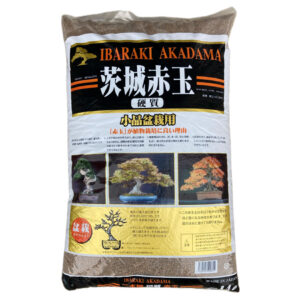
– Akadama: a hard-baked Japanese clay that retains moisture and nutrients but remains structurally stable.
– Kanuma: an acidic, lightweight pumice-like substrate ideal for acid-loving species such as azalea bonsai.
– Pumice: a volcanic rock that boosts drainage and aeration, preventing soil compaction.
By combining these components in the right ratios, you create a dynamic environment where roots breathe, water cycles properly, and nutrients disperse evenly. In the next section, we’ll explore each ingredient in detail to help you choose the ideal components for your bonsai’s needs.
Types of Bonsai Soil
There’s no one-size-fits-all mix—but understanding the main ingredients empowers you to craft the best soil for bonsai that suits your tree species and climate.
Akadama
- Origin: Japan’s volcanic regions
- Texture: Spherical, hard granules
- Advantages:
– Excellent water retention
– Gradual breakdown adds organic matter
– Stable structure resists compaction
- Disadvantages:
– Can be expensive outside Japan
– Loses shape over years; needs replacing every 2–3 seasons
Kanuma
- Origin: Japanese mountain soil, processed like Akadama
- Texture: Softer, finer particles than Akadama
- Advantages:
– Ideal for acid-loving bonsai (azalea, camellia)
– Retains moisture while still draining
- Disadvantages:
– Less durable; may compact sooner
– Not suitable for alkaline-preferring species
Pumice
- Origin: Volcanic rock, crushed to uniform size
- Texture: Porous, irregular chunks
- Advantages:
– Outstanding drainage and aeration
– Durable; doesn’t break down
– Adds trace minerals
- Disadvantages:
– Does not retain water on its own
– Must be balanced with moisture-holding components
By assessing your bonsai’s preferences—moisture level, acidic versus alkaline soil, root vigour—you can combine these three materials into a tailored blend. In Section 4, we’ll walk through exact ratios and mixing steps for common bonsai varieties, ensuring you create a thriving foundation for your tree.





