
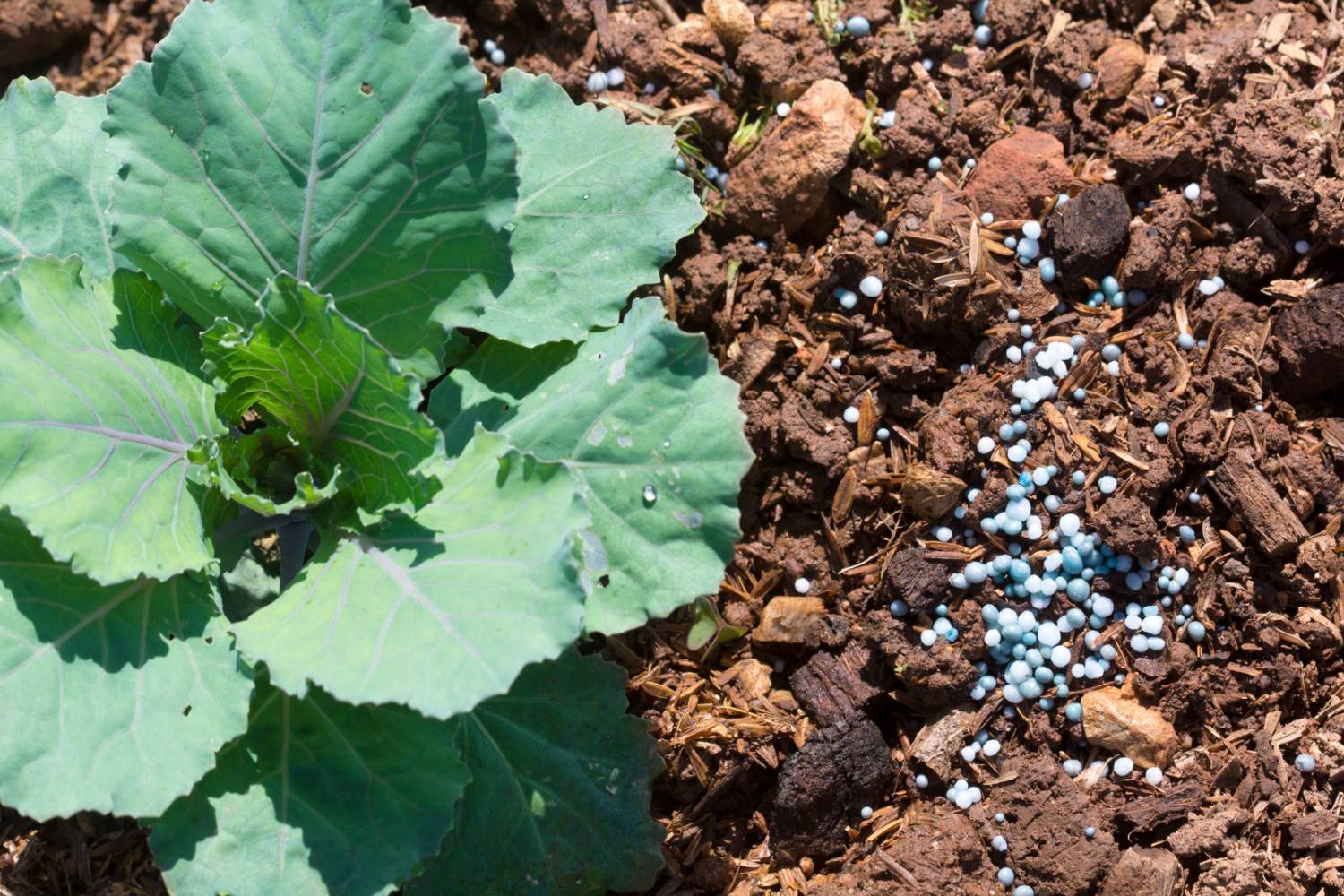
What if your soil had a secret handshake it’s been trying to teach you all along? Imagine your garden as a bustling community, where every root, microbe, and mineral plays a part in an intricate dance of life. Among these players, there’s a subtle but profound mineral additive that your plants didn’t even know they needed — until now. For those deeply committed to permaculture, the notion of enhancing soil might raise eyebrows. After all, is not the whole idea to work with nature, not against it? Yet, this mineral soil additive challenges the assumption that intervention equals disruption. Instead, it invites us to listen more closely to the soil’s whispers and offer what it quietly lacks, supporting a richer, more vibrant ecosystem.
Why Mineral Soil Additives Are a Game-Changer for Your Garden
Picture a situation where a permaculturist named Ana was tending to her garden, one she had nurtured for years on principles of minimal disturbance. Despite her care, some plants lingered in mediocre health, never quite flourishing. Curious, she decided to introduce a mineral soil additive — something far from synthetic fertiliser, but a natural blend of trace minerals often missing from exhausted soils. The result? Ana’s garden didn’t just recover; it thrived in ways that felt almost magical. Leaves glistened with vitality, root systems deepened, and the bugs that supported pollination returned in abundance.
This experience reflects a growing conversation among permaculture enthusiasts. Mineral soil additives aren’t a shortcut or a quick fix; they are a way to restore balance. Soils, even those tended organically, can suffer depletion through time, erosion, and the limitations of certain plant cycles. These minerals are the silent facilitators of life — the key nutrients and elements that help plants access water, fight disease, and convert sunlight into food.
Yet, the real game-changer is the subtlety of their role. Unlike aggressive chemical amendments, mineral soil additives work with soil biology. They feed not just the plants but also the microbial life which forms the root of every permaculture guild. This additive awakens dormant potential, encouraging a dance where plants and soil creatures thrive in harmony. The question then isn’t whether to amend the soil, but how thoughtfully to do it. Could this be the missing piece in your ecosystem’s design?
Essential Mineral Components That Enhance Soil Quality
Imagine a character named Soren, an avid permaculturist fascinated by the unseen complexities beneath his feet. He’s heard tales of miraculous soil amendments but is cautious, wanting to understand the essentials. What minerals truly matter? What does his soil crave?
In truth, plants need more than just nitrogen, phosphorus, and potassium — those headline nutrients often hog the spotlight. Trace minerals like magnesium, calcium, zinc, boron, and manganese play equally critical roles. Magnesium, for instance, is the very centre of chlorophyll molecules, essential for photosynthesis. Calcium aids cell wall strength and soil structure, improving moisture retention and aeration. Zinc and boron contribute to hormone regulation and seed development, while manganese facilitates nitrogen assimilation.
Soren’s soil tests reveal deficiencies in some of these lesser-known minerals. Introducing a carefully balanced mineral soil additive can replenish these vital elements, rebalancing the soil’s nutrient profile. The additive is more than a collection of raw materials — it’s a catalyst for soil life, encouraging mineral exchange and biological activity.
This is where conventional wisdom often falters. Many gardeners assume adding bulk fertilisers is enough, but permaculture teaches us that soil is an ecosystem, not a chemistry set. This mineral soil additive supports the soil’s natural processes by filling subtle gaps — the quiet whispers of deficiency that undermine plant health long before wilting or disease appear. When plants have access to these key minerals, their resilience and growth potential expand markedly.
How Mineral Soil Additives Boost Nutrient Uptake and Plant Vitality
Picture a situation where a gardener named Leila observes two raised beds side by side — one amended with her usual compost, the other enhanced with a mineral soil additive. As weeks pass, the difference becomes undeniable. Not only do plants in the amended bed grow taller, but their leaves show a deeper green, and flowering is more abundant. Root systems are denser and extend further into the soil.
Why does this happen? The secret lies beneath the surface, in the chemistry and biology of nutrient uptake. Mineral soil additives often increase the availability of nutrients by altering the soil’s pH slightly and improving cation exchange capacity (the ability of soil particles to hold and exchange nutrients). This means plants can access nitrogen, potassium, phosphorus, and trace elements more efficiently.
But it’s not just chemical. These additives stimulate the activity of beneficial soil microbes — bacteria and fungi vital to breaking down organic matter and liberating locked nutrients, a process essential to long-term soil resilience as outlined in the USDA Soil Health Journey factsheet. Mycorrhizal fungi, in particular, benefit from mineral-rich environments, extending the root network far beyond its natural reach and enhancing water and nutrient absorption.
The outcome is a plant that doesn’t just survive but flourishes with vigour. Root vitality leads to stronger stems, better leaf development, and higher resistance to pests and environmental stress. This cascade effect improves overall ecosystem health; healthy plants feed pollinators and soil organisms, continuing the cycle of life that permaculture aims to nurture.
Leila’s observation challenges the assumption that soil amendments are a matter of quantity alone. Instead, quality and composition determine their impact. It’s an invitation to rethink our relationship with soil amendments as precise, thoughtful contributions to a complex system, rather than broad strokes of intervention.
How might your soil’s silent language change if you tuned in to the mineral messages it’s sending? What new opportunities could unfold if you embraced the mineral soil additive as a subtle partner, not an invasive remedy? The handshake is there — will you learn it?## Practical Ways To Integrate Mineral Soil Additives Into Your Gardening Routine
Step-by-Step Strategies for Maximum Soil Amendment Benefits
Imagine a character named Isla, a permaculture enthusiast who has spent years nurturing her garden with compost, diverse plants, and careful water management. Yet, when she stumbled upon mineral soil additives like rock dust or basalt powder, her garden seemed to whisper a new secret—roots delving deeper, leaves shimmering brighter, and yields swelling fuller. What changed wasn’t magic but a mindful integration of minerals into her existing, balanced system.
For the permaculture community, the allure of mineral soil additives lies not in disturbance but in subtle enhancement—an invitation for the soil to reveal a deeper layer of vitality. How do you, like Isla, weave these minerals into your garden’s fabric without unbalancing the natural dance? Here are practical, thoughtful steps:
- Test Your Soil First
Before adding anything, know your soil’s current mineral status. A simple pH test and mineral analysis can transform guesswork into informed action. Picture a situation where a gardener adds mineral soil additives without testing—perhaps the soil already abounds in a certain mineral, leading to unintended nutrient imbalances. Testing empowers you to target deficiencies and avoid excess. - Choose the Right Mineral Additive for Your Soil and Plants
Not every mineral additive fits all soil types or crops. For clay-heavy soils, additives like gypsum can enhance structure, while sandy soils may benefit from volcanic rock dust to retain moisture and nutrients. Imagine a permaculture garden with tomatoes and beans thriving after the addition of a calcium-rich mineral additive, enhancing bloom and pod development seamlessly. - Incorporate Minerals Gradually and Respectfully
Slow and steady wins the interaction with soil microbes and plant roots. Integrate mineral soil additives as a thin layer atop beds or mix gently into the soil during seasonal preparations. Picture Isla spreading a light dusting of mineral additive right before planting season, allowing soil organisms to engage with the new material naturally. - Combine With Organic Matter
Minerals and organics are partners in the soil symphony. Layer mineral soil additives beneath mulch or within compost piles so the organic acids and microbes aid mineral breakdown and availability. Imagine compost worms working through a blend of leaf litter and mineral dust, converting them into immediate nourishment for plants. - Observe and Record Your Garden’s Response
Permaculture is as much about observation as action. Keep a gardening journal noting mineral applications, plant health, growth rates, and any shifts in soil texture or moisture. Picture a scenario where after mineral additive application, a gardener notices a shift in root depth, prompting a reevaluation of watering routines. - Adjust Over Time
Mineral soil additives aren’t a one-off fix but part of a longer conversation with your soil. Each season offers new insights and opportunities to fine-tune mineral application. Imagine a cycle where a permaculturist rotates different mineral additives annually, mirroring natural geological processes and enriching biodiversity below the surface.
By welcoming mineral soil additives with patience, respect, and above all curiosity, you enhance—not replace—the harmony already thriving in your ecosystem. How might this small addition recalibrate your garden’s unseen networks?
Common Mistakes with Mineral Soil Additives and How to Avoid Them
Identify and Overcome Pitfalls to Keep Your Garden Thriving
Picture a situation where a passionate permaculturist, eager to “fix” soil problems, saturates a garden bed with mineral soil additives overnight. The result? Nutrient overload, microbial disruption, and burnt roots that no amount of compost could immediately rescue. It’s a cautionary tale many face when the subtlety of minerals in soil ecosystems is misunderstood.
Common mistakes in using mineral soil additives often stem from good intentions unchecked by patience or knowledge. Let’s unravel these pitfalls with a curious eye, inviting reflection rather than reprimand:
- Over-application: More Isn’t Always Better
Mineral soil additives bring power in subtlety. Flooding soil with minerals can disturb microbial balance and soil chemistry. Imagine trying to listen to a quiet conversation while someone shouts beside you—the harmony breaks. So does the soil ecology when overwhelmed. Avoid this by applying minerals sparingly, aligned with soil test recommendations. - Ignoring Soil pH and Compatibility
Not all minerals harmonise with every soil type or plant species. Applying lime to an already alkaline soil can stifle nutrient uptake, much like offering a coat on a scorching day. Picture a gardener witnessing wilting crops not due to drought but because over-liming locked away vital micronutrients. A simple soil pH check can prevent this. - Neglecting Organic Matter
Mineral soil additives require organic partners to become bioavailable. Scattering minerals on bare soil without compost or mulch leaves them inert and ineffective. Imagine laying a treasure map without providing a compass. Always pair minerals with organic matter to activate their potential. - Failing to Monitor Soil and Plant Responses
Permaculture is a dialogue. If you add a mineral soil additive but then disengage, you miss critical feedback. Picture a situation where pest outbreaks occur after mineral addition—not because of the minerals themselves but due to unintended shifts in plant vitality or soil organisms. Observe, note, and adapt. - Applying at the Wrong Time
Minerals integrate best when soil organisms are active—typically in warm, moist conditions. Adding mineral additives in cold or dry seasons can delay benefits or disrupt cycles. Imagine a gardener spreading minerals in frozen ground only to lose efficacy until spring thaws. Timing matters. - Ignoring Mineral Source and Quality
Not all mineral soil additives are created equal. Impurities or contaminants can introduce unwanted elements. Imagine a well-meaning gardener unknowingly bringing in minerals with heavy metals, jeopardizing soil health. Source additives from reputable suppliers with transparency about composition.
By embracing these common knowledge traps as invitations to learn, permaculturists can use mineral soil additives in ways that respect the intricate balance of their gardens. Is your approach inviting harmony or disruption?
Addressing Your Top Questions About Mineral Soil Additives
Expert Answers to Ensure You Get the Most from Your Soil Enhancers
Imagine a character named Luka, a newcomer to permaculture, standing in front of a sack labelled “mineral soil additive” at a local garden supply store. Confused about when, how much, and why, Luka represents many in our community—full of intrigue, cautious about change, and eager for clarity.
Let’s step into Luka’s shoes and explore some of the most frequent questions permaculture enthusiasts ask about mineral soil additives:
Q: What exactly is a mineral soil additive, and why use one?
A mineral soil additive is a naturally sourced product—like rock dust, sea minerals, or volcanic ash—added to soil to replenish trace elements and essential minerals. Unlike synthetic fertilisers, they nurture soil health over time, supporting microbe activity, root systems, and resilient plants. Think of them as subtle tuning instruments for your ecosystem’s orchestra.
Q: How often should I apply mineral soil additives?
Frequency depends on soil tests and additive type. Generally, applying mineral additives once or twice a year in spring or autumn aligns with soil life cycles. Over-application risks imbalance, so err on the side of small, consistent additions while monitoring your soil’s response.
Q: Can mineral soil additives replace compost or organic matter?
No. They are complementary. Compost provides carbon and nurtures microbial life; minerals provide essential nutrients and improve soil structure. Together, they create a synergistic foundation for plant growth—it’s like a duet rather than a solo performance.
Q: Are there plants that benefit more from mineral soil additives?
Yes. Deep-rooted perennials, fruiting crops, and nitrogen-fixing plants often show stronger responses, developing robust roots and yields. Picture a permaculture orchard where mineral applications lead to healthier trees with more bountiful harvests.
Q: How do I choose the right mineral soil additive for my garden?
Start with understanding your soil type and needs through testing. Match minerals to deficiencies—whether that’s calcium, magnesium, potassium, or trace elements like zinc or boron. Local geological products often fit best, harmonising with indigenous soil characteristics.
Q: Can mineral soil additives help with pest and disease resistance?
Indirectly, yes. Healthy soil and plants are naturally more resilient. By improving nutrient uptake and stimulating beneficial microbes, mineral additives can bolster your garden’s inherent defences.
The dance with mineral soil additives invites questions because it’s not a simple “fix”; it’s an engagement with complexity—much like permaculture itself. As you introduce these mineral whispers into your garden’s conversation, what new stories might your soil tell?
Ready to explore the hidden potential of your soil with mineral soil additives?
Contact Ashi Homes And Gardens on 0426 382 444 for expert guidance tailored to your permaculture journey. Let’s nourish your soil’s secret handshake together.





