
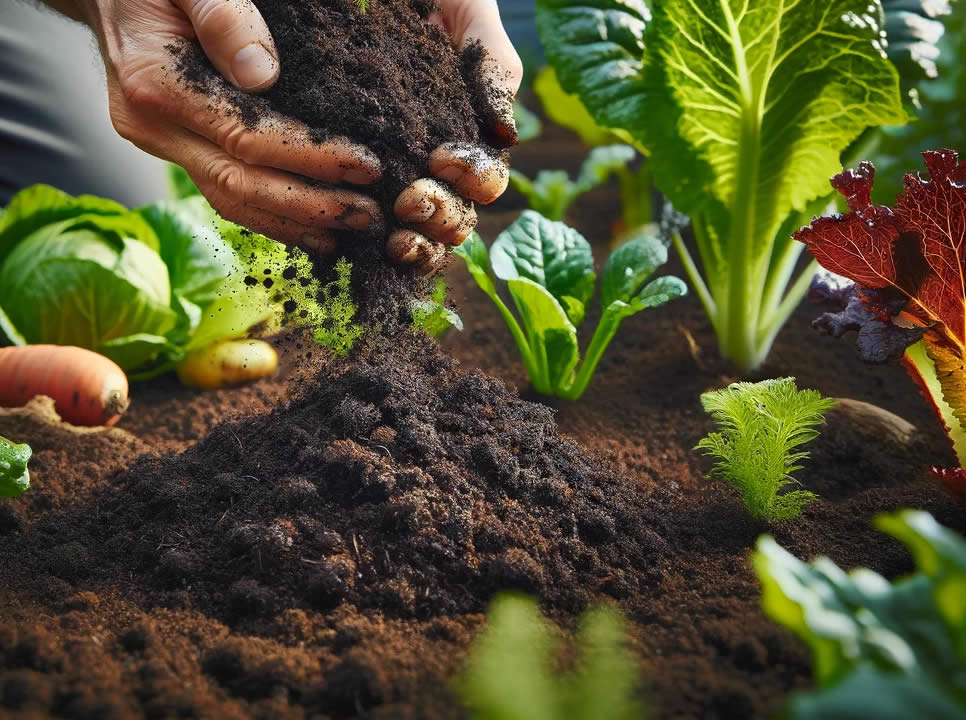
You want to protect your plants without reaching for harsh chemicals, simple, effective, and natural. The secret lies beneath your feet: an ancient soil additive called diatomite. This white, powdery substance has safeguarded crops for centuries by improving soil health and naturally repelling pests. In this article, you’ll learn exactly what diatomite is, how it works biologically, and how to use it in your garden to keep your plants thriving, without chemicals.
Diatomite for Gardening: Unlocking Ancient Natural Benefits for Soil Health
If you’re an organic gardener looking to boost plant growth the natural way, diatomite for gardening is a game-changer. Diatomite, also known as diatomaceous earth, is a fossilised sediment mainly composed of the silica-based remains of ancient algae called diatoms. Though it looks simple, a fine, white powder, its benefits for your soil and plants are anything but.
How Diatomite Enhances Soil Structure
Diatomite acts as a natural soil conditioner by:
Improving soil aeration: Its porous structure adds tiny air pockets in the soil, allowing roots to breathe and absorb nutrients efficiently.
Enhancing moisture retention: Diatomite’s microscopic silica skeletons absorb and hold water, helping maintain consistent moisture around plant roots.
Balancing soil pH: It gently raises the pH of acidic soils, creating a more favourable environment for many plants.
Adding trace minerals: Diatomite provides essential silica and other micronutrients that strengthen plant cell walls and encourage vigorous growth.
Boosting Plant Growth Naturally
Research shows that diatomite supports stronger stems and healthier leaves by boosting the plant’s internal silica levels. This silica acts like an internal shield:
It strengthens cell walls, making plants more resistant to diseases and environmental stress.
Helps plants retain water under drought conditions.
Encourages beneficial microbial activity in the soil, leading to better nutrient uptake.
Example: A Hypothetical Organic Tomato Grower
Imagine Susan, an organic gardener growing tomatoes. After mixing diatomite into her soil, Susan notices her plants develop thicker stems and flourish even during a dry spell. The improved soil structure ensures roots receive oxygen and moisture consistently, reducing her need to water daily, showcasing diatomite’s powerful role in natural soil enhancement.
Using Diatomite to Naturally Repel Pests and Improve Garden Hygiene
Beyond improving soil, diatomite serves as a natural pest deterrent without the toxicity of chemicals. This dual functionality makes diatomite for gardening a must-have for organic gardeners concerned about plant health and safety.
Harnessing Diatomite’s Insecticidal Properties
The secret is in the sharp, microscopic structure of diatomite particles. Here’s how it works biologically against pests:
Physical abrasion: Diatomite’s fine edges pierce the exoskeletons of insects like aphids, slugs, and spider mites.
Dehydration: After piercing, the powder absorbs lipids from the insect’s outer layer, causing it to dry out and die.
Non-toxic to plants and pets: Diatomite acts mechanically, not chemically, so it won’t harm your plants or household animals when used correctly.
Pest Control Applications
Use diatomite to:
Dust stems and leaves where pests congregate.
Create a barrier around plant bases to deter crawling insects and slugs.
Mix lightly into soil to reduce pest larvae development.
Example: Repelling Aphids on Roses
Take James, who has a rose bush plagued by aphids. By sprinkling diatomite on affected leaves and around the base, he effectively reduces aphid populations within days, without any harmful sprays. The result: healthier roses and no risk to beneficial insects.
Applying Diatomite: Proven Techniques for Maximum Effectiveness
Understanding diatomite’s benefits is one thing, applying it correctly is another. Follow these clear steps to harness diatomite’s full potential in your organic garden.
Step 1: Choose Food-Grade Diatomite
Not all diatomite is created equal. For gardening, use food-grade diatomite, clean, safe, and free of harmful additives.
In Australia, only food-grade diatomaceous earth should be used, especially where pollinators or edible plants are involved. The Victorian Department of Agriculture advises that it must be registered with the Australian Pesticides and Veterinary Medicines Authority (APVMA) under the national AgVet Code. Using an unregistered product can result in penalties of up to 200 penalty units (around AUD 33,000).
Step 2: Incorporate into Soil
Spread 1 to 3 kg of diatomite per 10 square metres of garden bed.
Mix thoroughly into the top 10-15 cm of soil before planting.
For potted plants, sprinkle a teaspoon mixed into the potting mix per 10 cm pot diameter.
Step 3: Apply as a Pest Barrier
Lightly dust plants prone to pests every 7 to 10 days.
Reapply after heavy rain or watering.
Wear a mask when dusting to avoid inhaling fine particles.
Step 4: Monitor and Adjust
Observe plant health and pest levels weekly.
Adjust application rates slightly depending on soil type and severity of pest issues.
Combine diatomite with other organic methods like companion planting or neem oil for a comprehensive strategy.
Example: Preparing a Raised Bed for Vegetables
Linda plans a vegetable bed and wants long-term benefits. She applies 2 kg of food-grade diatomite mixed into the bed’s topsoil before sowing seeds. Throughout the season, she dusts seedlings at risk from slugs and insects. Her vegetables grow robustly with minimal pest damage, proving diatomite’s effectiveness when applied thoughtfully.
This straightforward guide to diatomite for gardening equips you with a natural, multi-benefit soil additive that promotes healthier plants and safer pest control. Next, we’ll explore how diatomite compares to other organic soil amendments and why it stands out as a superior choice for eco-friendly gardeners.
Comparing Diatomite with Other Natural Soil Amendments
Why Diatomite Stands Out as an Eco-Friendly, Multi-Functional Additive
When selecting a natural soil additive, gardeners often weigh the benefits of various amendments like compost, neem cake, wood ash, or diatomite for gardening. Diatomite offers unique advantages that make it an outstanding choice for organic gardeners who want to boost soil health, manage pests naturally, and maintain eco-friendly garden practices.
Key Differences: Diatomite vs. Common Amendments
| Amendment | Primary Benefit | Impact on Soil | Pest Control | Application Complexity |
|---|---|---|---|---|
| Compost | Nutrient enrichment | Improves organic matter content | Limited | Easy |
| Neem Cake | Nutrient and pest repellent | Adds nitrogen, enhances microbiome | Effective insect deterrent | Moderate |
| Wood Ash | Raises soil pH, adds minerals | Increases alkalinity | Minimal | Must use carefully |
| Diatomite | Soil aeration and pest control | Improves drainage & structure | Physically repels pests | Straightforward |
Why Diatomite Excels as a Multi-Functional Soil Additive
Superior Soil Conditioning
Diatomite consists of fossilized silica skeletons of diatoms. This mineral-rich powder improves soil texture by increasing its porosity and water retention without compacting or altering pH drastically. Unlike wood ash or lime, it maintains a balanced soil environment that supports a wider range of plants, including acid-loving varieties.
Chemical-Free Pest Management
Unlike neem cake, which contains bioactive compounds targeting pests but can be slow acting, diatomite works on a purely physical level. Its fine, abrasive particles damage the exoskeleton of soft-bodied insects such as aphids, slugs, and spider mites, rapidly reducing pest populations without harmful chemicals. This makes it safe for pollinators and beneficial insects.
Low Risk of Over-Application
Diatomite is inert, meaning it doesn’t overload soil with nutrients or salts. It can be safely used repeatedly without risk of nutrient burn, unlike compost or manure, which require careful application rates to avoid nitrogen spikes. This reduces guesswork for home gardeners.
Versatility Across Garden Uses
Diatomite adapts well to multiple gardening practices: soil amendment, mulching, seed starting, and pest deterrence. Many amendments focus on only one or two aspects, but diatomite serves as a comprehensive solution in organic gardens.
Practical Considerations: When to Choose Diatomite for Gardening
Use diatomite when soil drainage and aeration are concerns, especially in heavy clay or compacted soils.
Choose diatomite for organic pest-repelling needs where chemical pesticides or biological sprays are undesirable.
Apply diatomite for mulch layers around plants to deter crawling pests without harming soil biology.
Potential Limitations Compared to Other Amendments
Diatomite contributes little in direct nutrients like nitrogen, phosphorus, or potassium, so it should be paired with organic fertilisers or compost for balanced nutrition.
It is less effective against larger or hard-shelled pests, where neem extracts or other pest controls might perform better.
For gardeners focusing only on nutrient enrichment, compost remains irreplaceable.
Summary
Diatomite for gardening is a standout additive that combines soil structure enhancement with natural pest protection. Its unique physical mode of action and soil-friendly characteristics set it apart from other natural amendments, making it a versatile, eco-conscious choice for organic home gardeners.
Common Questions About Diatomite in Gardening Answered
Expert Clarifications on Safety, Usage, and Impact on Different Plant Types
Is Diatomite Safe for All Plants?
Yes. Diatomite is chemically inert, so it does not negatively affect plant roots or foliage. It improves soil aeration and water retention, benefiting most vegetables, flowers, and ornamentals. It’s especially useful for acid-loving plants since it does not raise soil pH like wood ash or lime.
Can Diatomite Harm Beneficial Insects or Earthworms?
Diatomite’s pest control effect primarily targets soft-bodied insects by physically abrading their exoskeletons. Beneficial insects such as bees or ladybirds are less likely to be harmed since diatomite is applied to soil or plant bases rather than sprayed directly on flowers. Earthworms generally avoid diatomite and are unaffected when it is used sparingly. Avoid heavy dusting that could desiccate non-target soil organisms.
How Often Should I Apply Diatomite?
Soil Amendment: One to two times per growing season is sufficient. Incorporate at a rate of 5–10% by volume into the top 15 cm of soil.
Pest Control: Apply as needed when pest activity is observed, generally once every 1–3 weeks. Reapply after heavy rain or watering as diatomite can wash away.
Can Diatomite Be Used on Indoor Plants?
Absolutely. Lightly dusting diatomite on potting soil surface helps reduce fungal gnats and root pests without chemical pesticides. Because of its inert nature, it is safe for indoor use and poses minimal health risks.
Are There Any Safety Precautions When Handling Diatomite?
Wear a dust mask or respirator during application to avoid inhaling fine particles.
Use gloves to prevent skin dryness from extended contact.
Keep diatomite away from water sources to avoid runoff.
How Does Diatomite Affect Soil pH and Nutrients?
Diatomite has a neutral to slightly alkaline pH but generally does not significantly change soil acidity or alkalinity. It does not supply nitrogen, phosphorus, or potassium, so it should be used alongside organic fertilisers for complete plant nutrition.
Can Diatomite Be Mixed with Compost or Fertilisers?
Yes. Diatomite mixes well with organic composts, manures, and other fertilisers. Mixing ensures nutrient-rich, well-drained soil that supports healthy roots and keeps pests at bay.
Ready to Protect Your Plants Naturally?
Contact Ashi Homes And Gardens on 0429 382 444 today to learn more about sourcing and applying high-quality diatomite for gardening. You can also visit Ashi Homes and Gardens for more information, product details, and gardening resources. Start transforming your soil and safeguarding your plants the natural way.





