

Perlite vs. Vermiculite: Which One is Right for You?
Whether you’re potting up houseplants, starting seedlings, or preparing raised garden beds, the right growing medium makes all the difference. Among the most debated soil additives are perlite and vermiculite, two lightweight mineral products that play vital but distinct roles in plant health. Understanding when and how to use each can drastically improve your plant growth, water retention, and soil structure. In this article, we’ll break down the real differences between perlite and vermiculite in a way that’s clear, useful, and based on real-world gardening experience. Whether you’re a weekend hobbyist or a commercial grower, we’ll help you choose the right medium for your specific plants and growing conditions.
1. Understanding Perlite and Vermiculite: What Are They?
To choose the right soil additive, it helps to understand what perlite and vermiculite actually are, and how they’re made. Though they often appear side-by-side on garden centre shelves, these two materials come from very different origins and serve very different purposes in the garden.
What is Perlite?
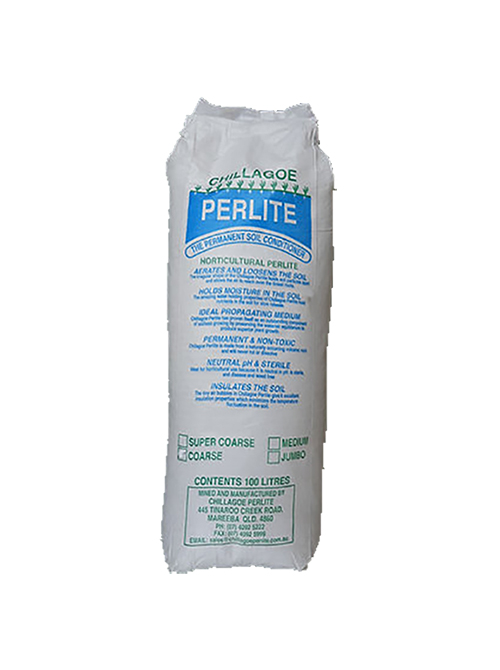
Perlite is a naturally occurring volcanic glass that, when heated to extremely high temperatures (around 900°C), expands like popcorn into lightweight, porous white granules. The result is a highly aerated material that doesn’t compress, resists water absorption, and helps keep growing mixes loose and breathable.
Key Characteristics of Perlite:
- Bright white and lightweight
- Excellent drainage and aeration
- Neutral pH
- Doesn’t compact over time
- Commonly found in general potting mixes
Perlite is especially valued in growing situations where root oxygenation and fast drainage are crucial. It’s ideal for plants prone to root rot or those requiring a drier root environment, such as succulents, cacti, and Mediterranean herbs.
What is Vermiculite?
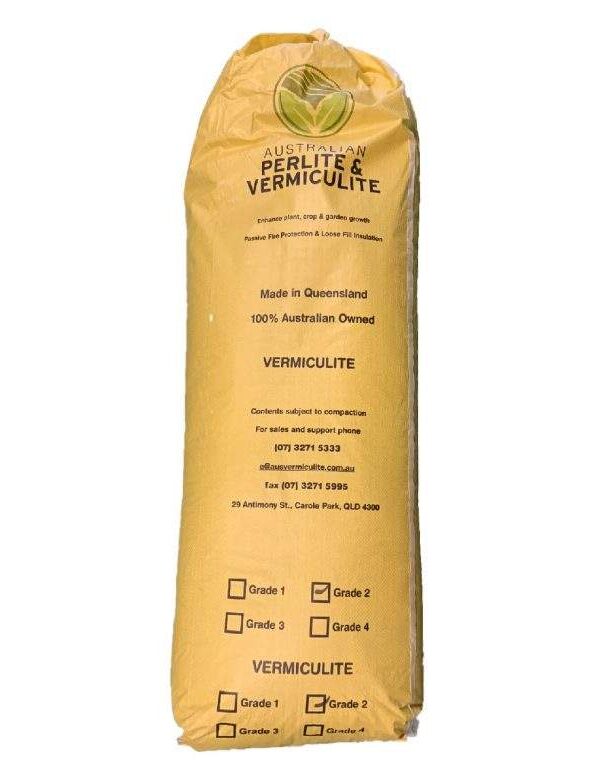
Vermiculite is a mineral from the mica family. Like perlite, it’s expanded by heat treatment, which transforms it into accordion-shaped flakes that are lightweight and capable of holding water like a sponge. Vermiculite has a soft, brown-gold appearance and is known for its moisture retention capabilities.
Key Characteristics of Vermiculite:
- Soft, flake-like structure
- Excellent water and nutrient retention
- Slightly alkaline pH
- Enhances cation exchange (nutrient holding)
- Often used in seed starting or for moisture-loving plants
Vermiculite is commonly used when consistent moisture is critical, think of ferns, seedlings, or tropical plants that thrive in evenly damp conditions. It also works well in propagation mixes and as a root-covering layer in hydroponics.
How Are They Similar?
Both perlite and vermiculite:
- Are sterile, non-toxic, and safe for all plants
- Help improve soil structure
- Are used to customise potting mixes
- Are incredibly lightweight and easy to handle
Despite these similarities, their functions are not interchangeable, and choosing the wrong one can negatively affect plant health.
In the next section, we’ll dive deeper into how these materials behave in soil, especially when it comes to water retention and air circulation.
2. The Science Behind Soil Amendments: Water Retention vs. Aeration
When it comes to healthy plant growth, the balance between moisture and oxygen in the root zone is crucial. While both perlite and vermiculite improve soil structure, they serve fundamentally different purposes, especially when you look at how they handle water and airflow.
Perlite: Champion of Aeration
Perlite’s structure is made up of small, irregular cavities that allow air to move freely through the soil. This promotes oxygen availability to plant roots, which is essential for respiration and nutrient uptake. Its hard, glassy composition means water doesn’t soak in, instead, it quickly drains through.
Perlite is ideal when:
- You’re growing plants sensitive to overwatering, like succulents or cacti.
- You want to avoid root rot in heavy or clay-rich soils.
- You’re looking to lighten dense potting mixes.
The result is a growing medium that stays airy and drains quickly, giving roots the oxygen they need to thrive, especially in container gardens or greenhouses.
Vermiculite: Moisture-Holding Marvel
Vermiculite’s layered, accordion-like structure allows it to absorb several times its weight in water. This makes it perfect for retaining both moisture and soluble nutrients. As it absorbs water, vermiculite also releases it gradually, creating a consistently damp environment.
Vermiculite is ideal when:
- You’re starting seeds or cuttings that need even moisture.
- You’re growing moisture-loving plants like ferns, African violets, or certain tropicals.
- You want to improve water retention in sandy soils.
Unlike perlite, vermiculite not only retains moisture but also improves cation exchange capacity (CEC), meaning it helps hold nutrients close to plant roots for longer.
Why This Matters
Overwatering is one of the most common causes of plant decline. Using the wrong amendment can exacerbate the problem. For instance, adding vermiculite to a pot that already retains moisture (like plastic containers with no drainage) could spell trouble for root health. On the flip side, using perlite in a setup that dries out quickly, like seed trays, could lead to poor germination and stressed seedlings.
Understanding these roles means you can customise your potting mix based on the plants’ needs and environmental conditions. Some gardeners even blend both perlite and vermiculite in specific ratios to balance water and air availability.
In the next section, we’ll explore which scenarios call for perlite, vermiculite, or a mix of both, based on plant type and growing conditions.
3. Ideal Applications: When to Use Perlite vs. Vermiculite
Knowing the science behind how perlite and vermiculite behave in soil is one thing, applying that knowledge to real gardening situations is where it becomes truly valuable. Whether you’re growing herbs in containers, managing a nursery, or tending to houseplants, selecting the right soil amendment can make all the difference.
When to Use Perlite
Perlite is best for situations where drainage and aeration are critical. Its porous structure prevents soil from becoming compacted, which is especially important in container gardening where water can pool at the bottom.
Best applications for perlite:
- Cacti and Succulents: These plants are prone to root rot if left in moist soil. A mix of potting soil with 50% perlite ensures quick drainage.
- Hydroponics & Propagation: In net pots or soilless setups, perlite keeps roots dry and oxygenated.
- General Potting Mixes: Add perlite to improve the breathability of standard potting soils, especially when growing in plastic or ceramic containers.
- Heavy Soils: In garden beds with clay soil, mixing in perlite can improve drainage and reduce compaction.
When to Use Vermiculite
Vermiculite is the go-to choice when consistent moisture is the goal. It’s particularly useful for seed starting and rooting cuttings, where a delicate balance of water and air is needed.
Best applications for vermiculite:
- Seed Starting Trays: Vermiculite holds moisture around emerging roots, encouraging fast germination without drying out.
- Tropical & Moisture-Loving Plants: Ferns, peace lilies, and African violets benefit from its ability to maintain a humid root environment.
- Propagation Chambers: When used in high humidity environments, vermiculite helps cuttings establish roots more reliably.
- Dry or Sandy Soil: Adding vermiculite can improve water retention and reduce the need for frequent watering.
Can You Use Both Together?
Absolutely. Many growers blend perlite and vermiculite to balance drainage with moisture retention. A typical ratio might be 1:1 in a general potting mix or adjusted to 2:1 (perlite to vermiculite) for plants needing more air than water.
Example Mixes:
- Succulents: 70% perlite, 30% potting soil
- Seedlings: 50% vermiculite, 50% seed-starting mix
- Tropical Houseplants: 40% perlite, 30% vermiculite, 30% organic matter
This custom approach allows for precise control over your growing environment, which is especially important in commercial greenhouses or specialised plant care like bonsai or orchids.
In the next section, we’ll highlight common pitfalls to avoid when using perlite and vermiculite, so you get the most out of your growing media.
4. Common Mistakes Growers Make with Perlite and Vermiculite
While both perlite and vermiculite can dramatically improve plant health when used correctly, they can also cause issues if misapplied. Understanding the most common mistakes helps avoid setbacks, especially when you’re dealing with sensitive plants, high-value crops, or intricate container setups.
1. Using the Wrong Material for the Plant Type
This is perhaps the most frequent mistake. Many gardeners assume perlite and vermiculite are interchangeable because they look similar and are sold side by side. But they serve very different purposes.
Mistake Example:
Adding vermiculite to a cactus mix. This results in too much moisture retention, which can cause root rot or fungal issues in drought-loving plants.
Correction:
Use perlite instead for plants that thrive on dry, airy conditions.
2. Overwatering with Vermiculite
Because vermiculite retains moisture so well, it can create problems when combined with frequent watering or poor drainage. Plants may sit in overly damp soil, leading to root suffocation or fungal diseases.
Mistake Example:
Using vermiculite in a plastic container with no drainage holes.
Correction:
Ensure containers have proper drainage and adjust your watering schedule, especially in cool or humid conditions.
3. Underestimating Perlite’s Drainage Power
Perlite drains water rapidly. In hot climates or during summer, this can lead to your mix drying out faster than expected, especially for seedlings or shallow-rooted plants.
Mistake Example:
Using a perlite-heavy mix for small pots or seed trays without monitoring moisture levels.
Correction:
Check moisture daily, and consider blending perlite with compost, coir, or even a small amount of vermiculite to retain some water.
4. Not Mixing Media Evenly
Failing to properly incorporate perlite or vermiculite into your growing mix can lead to uneven moisture distribution or patchy root growth.
Mistake Example:
Dumping perlite on top of soil rather than mixing it through the entire root zone.
Correction:
Blend amendments evenly into the potting mix before planting to ensure consistent water and air distribution.
5. Assuming One Size Fits All
Not all perlite and vermiculite are the same. They come in different grades, from fine to coarse, which affect performance in different situations.
Mistake Example:
Using coarse perlite for seed starting when a finer grade would retain moisture better.
Correction:
Choose the appropriate grade for your application: fine vermiculite for seedlings, medium perlite for general potting, and coarse perlite for large containers or hydroponics.
Avoiding these common pitfalls ensures that your soil additives work with your plants, not against them. In the next section, we’ll share expert advice from Ashi Homes & Gardens to help you make confident choices in your growing setup.
5. Expert Insights: What the Pros at Ashi Homes & Gardens Recommend
At Ashi Homes & Gardens, helping growers make informed choices is at the heart of everything we do. Whether you’re starting your first seedling tray or managing a large commercial nursery, choosing between perlite and vermiculite comes down to understanding your growing conditions and your plants’ specific needs. Here’s what our in-house experts recommend.
“Start with the Plant, Not the Product”
Ashi’s team always advises beginning with the type of plant you’re growing. Are you dealing with moisture-loving ferns or dry-climate succulents? Do you need a medium that retains water, or one that enhances aeration and drainage?
Ashi’s Tip:
“If you’re growing orchids, bonsai, or succulents, perlite is almost always the better option. But if you’re germinating seeds or caring for tropical plants indoors, vermiculite will help maintain that crucial humidity around the roots.”
Match the Medium to the Season and Setting
Environmental conditions also influence the right choice. For instance, during Queensland’s hot summers, even perlite-heavy mixes may need more frequent watering, especially in full sun. Meanwhile, cool and damp winters can make vermiculite mixes too wet if not carefully managed.
Ashi’s Tip:
“In winter, go easy on vermiculite unless you have strong ventilation and light. For summer, we often suggest mixing in more perlite to avoid moisture build-up that leads to root rot.”
Consider Combining the Two
One of the most effective strategies Ashi recommends is blending perlite and vermiculite to create a balanced growing medium that suits a wider range of plants.
Suggested Blend (for general potting):
- 40% organic base (potting mix or compost)
- 30% perlite
- 30% vermiculite
This mix offers both breathability and moisture retention, suitable for a broad range of houseplants and herbs.
Highlight on Product Quality
At Ashi Homes & Gardens, the focus is not just on providing the right product, but on providing the best quality. Our horticultural-grade perlite and vermiculite are selected for consistency, purity, and particle size. This ensures optimal performance whether you’re mixing your own soil or amending existing beds.
Ashi’s Tip:
“Don’t skimp on quality. Inferior perlite can break down quickly and release dust, while low-grade vermiculite may contain fine particles that compact over time. Our products are selected to perform reliably, batch after batch.”
Support That Goes Beyond the Sale
Ashi’s team is always available to guide customers on custom blends, ratios, and specific needs for rare or high-maintenance plants. Whether you’re planting succulents in Akadama-rich gritty mix or prepping trays for hydroponic lettuce, they can help tailor your soil amendments for the best possible outcomes.
In the next section, we’ll take a closer look at the Perlite and Vermiculite products available at Ashi Homes & Gardens, and why growers across Australia rely on them.
6. Product Spotlight: Perlite and Vermiculite at Ashi Homes & Gardens
Choosing the right soil amendment starts with choosing a reliable supplier. At Ashi Homes & Gardens, we take pride in offering top-grade horticultural products at wholesale prices, with no ABN required. Our perlite and vermiculite selections are trusted by commercial growers and backyard gardeners alike across Brisbane, the Gold Coast, and beyond.
Premium Perlite
Our horticultural perlite is a lightweight, expanded volcanic glass that’s perfect for improving aeration and drainage in potting mixes. It’s available in various bag sizes for both home and commercial applications.
Why growers love it:
- Clean, sterile, and dust-minimised
- Perfect granule size for potting, propagation, or hydroponics
- Won’t compact over time, keeps soil breathable
- Excellent in cactus, succulent, and orchid mixes
Recommended uses:
- Succulents & bonsai
- Seedling trays & propagation setups
- Blending with compost or native mixes
- Drainage layers in containers
Horticultural-Grade Vermiculite
Ashi’s vermiculite offers superior moisture retention, making it ideal for water-loving plants, seed starting, and propagation chambers. Our expanded vermiculite is light, fluffy, and long-lasting, ensuring gentle support for tender root systems.
Why growers love it:
- High water-holding capacity
- Promotes rapid seed germination
- Enhances nutrient retention in sandy or fast-draining soils
- Neutral to slightly alkaline pH
Recommended uses:
- Seed starting & hydroponic rooting
- Houseplants like peace lilies, ferns, and calatheas
- Propagation of soft-stemmed cuttings
- Moisture enhancement in dry climates or indoor setups
Why Buy From Ashi?
Unlike mass-market retailers, Ashi Homes & Gardens caters directly to the gardening community with:
- Wholesale pricing, no bulk purchase required
- Locally stocked in Marsden, QLD with convenient delivery options
- Nationwide shipping across Australia
- Trusted by professionals in hydroponics, landscaping, bonsai, and propagation
Our perlite and vermiculite are also commonly included in custom soil blends we advise on, such as:
- Gritty mixes for succulents and bonsai
- Native blends with low phosphorus and high drainage
- Orchid bark-perlite mixes for epiphytic orchids
- Organic compost-vermiculite seed-starting blends
We invite you to visit us in-store or order online and experience the difference in quality that Ashi customers rave about.
Next, we’ll address some of the most frequently asked questions about perlite and vermiculite, from application techniques to storage tips.
7. FAQ: Perlite vs. Vermiculite
When choosing between perlite and vermiculite, growers often have specific concerns about how to use them, how they differ, and how to store them properly. Below, we answer some of the most common questions we receive at Ashi Homes & Gardens.
Q1: Can I use both perlite and vermiculite in the same mix?
Yes, and many growers do. Combining both allows you to create a balanced soil medium that provides both drainage and moisture retention. A 50:50 mix can be excellent for general container gardening, while more specific ratios can be tailored for unique plant needs.
Q2: Is perlite or vermiculite better for seed starting?
Vermiculite is typically preferred for seed starting due to its ability to retain moisture and warmth. However, adding a small amount of perlite can improve aeration, particularly for seeds that are sensitive to waterlogging.
Q3: Will perlite or vermiculite change the pH of my soil?
Both materials are pH neutral or slightly alkaline. While they won’t significantly alter your soil’s pH, vermiculite may slightly increase alkalinity over time, which could be relevant for acid-loving plants.
Q4: Do I need to rinse perlite or vermiculite before using them?
Generally, no. Both are ready to use straight from the bag. However, some growers rinse perlite to reduce dust. Always use in a well-ventilated area and wear a mask if handling large volumes.
Q5: Is perlite environmentally friendly?
Perlite is mined but expanded using high heat without chemicals. It’s inert, non-toxic, and doesn’t degrade in the soil. Vermiculite is similarly considered safe, though both come from finite mineral sources. Coir (coconut fibre) may be preferred by those seeking more renewable options.
Q6: Can I reuse perlite or vermiculite?
Yes, both can be reused. Rinse thoroughly to remove old roots or organic debris. Perlite is especially reusable as it doesn’t break down. Vermiculite may become compacted after long use, so check texture before reusing.
Q7: Which one should I use for hydroponics?
Perlite is the preferred choice for most hydroponic systems due to its aeration qualities and resistance to water saturation. Vermiculite is sometimes used in combination with perlite for moisture control but is less common in active systems.
Q8: How should I store them?
Keep bags sealed and stored in a dry, cool area. Avoid exposing them to excessive moisture or sunlight. While both materials are stable, they can absorb odours or degrade if exposed to the elements for long periods.
8. Final Thoughts: Choose Smarter, Grow Better
Whether you’re nurturing delicate seedlings, expanding your houseplant collection, or running a commercial nursery, the right soil amendment makes all the difference. Understanding the core differences between perlite and vermiculite allows you to craft growing media that truly supports your plants’ needs, from root aeration to moisture management.
Use perlite when your goal is to improve drainage, increase air flow, and avoid root rot in plants like succulents, bonsai, or orchids. Reach for vermiculite when consistency in moisture is key, especially for seed starting, tropicals, or tender cuttings.
At Ashi Homes & Gardens, we go beyond simply supplying top-quality products, we offer the expertise and personalised guidance to help you get the most from them. With our wide selection of horticultural-grade perlite and vermiculite, available at true wholesale pricing, you can grow with confidence, whether you’re a home hobbyist or a commercial grower.
Take the Next Step
Visit us in-store at A4/10 – 12 Compton Rd, Woodridge QLD 4114, or explore our full product range online at ashihomesandgardens.com.au.
Our team is ready to help you build your perfect potting mix.
Call us now: (07) 3128 1378
Email: ashihomesandgardens@gmail.com
Grow smarter, with Ashi Homes & Gardens, where quality meets value.





