
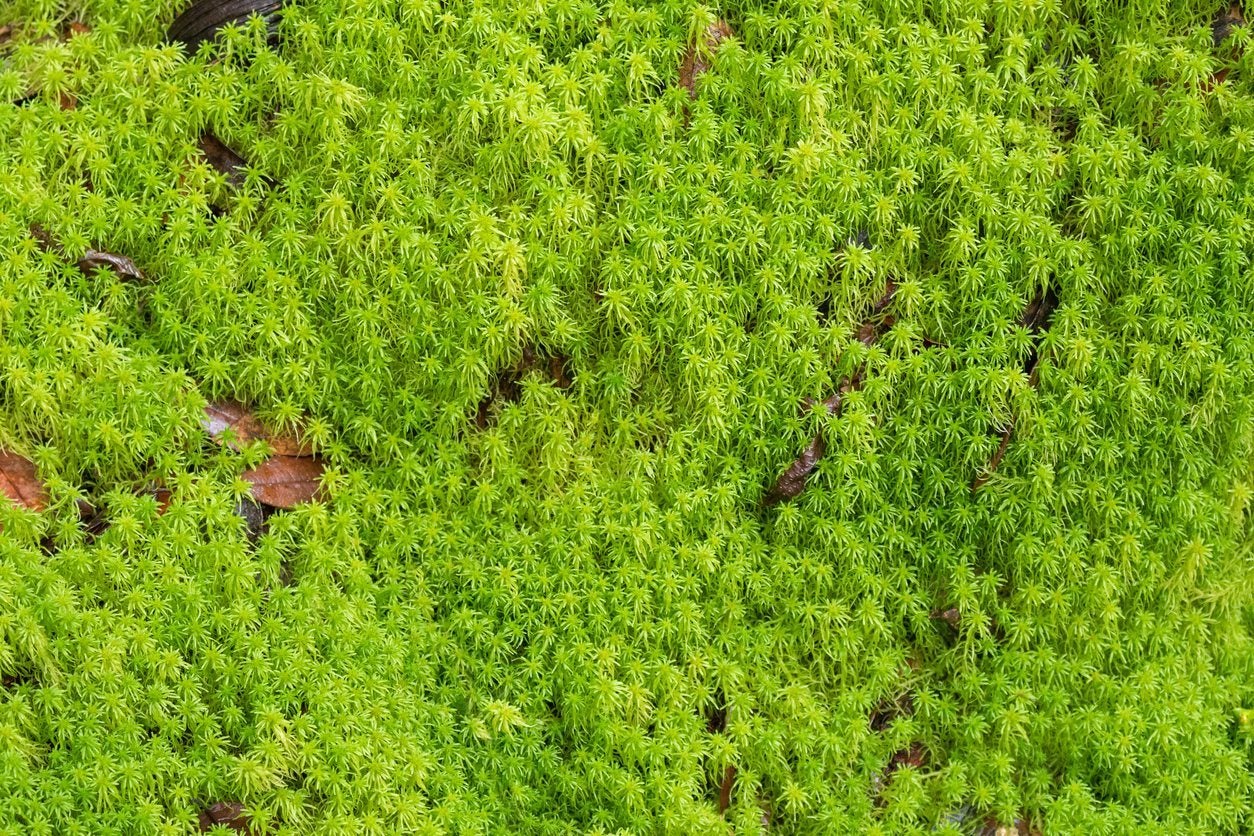
Confused about which moss to use in your garden? You’re not alone. Peat moss and sphagnum moss often get mistaken for each other, but knowing the difference can dramatically improve your gardening results. This guide will clear up the confusion by breaking down their origins, textures, water retention abilities, acidity levels, and best uses — so you can confidently choose the right moss for your gardening goals. Let’s dive in.
Peat Moss vs. Sphagnum Moss: Key Differences That Affect Your Garden
What Is Peat Moss? A Breakdown of Its Origins and Characteristics
Peat moss is a popular soil amendment found in many garden centres, but it’s important to understand exactly what it is to use it effectively.
Formation Process and Ecological Background
Peat moss is actually partially decomposed sphagnum moss and other organic plant materials that have accumulated in waterlogged, anaerobic environments called peat bogs over thousands of years. This slow decomposition under low oxygen conditions creates thick, dense deposits of dark, spongy material – peat. Unlike fresh organic matter, peat moss is more stable and rich in humic substances, making it valuable for gardening.
Physical Properties and Texture
Peat moss typically has a fine, flaky texture with earthy brown to black colour. It’s lightweight and highly absorbent but should not feel fresh or fibrous — that’s a sign you might have sphagnum moss instead. It’s crumbly, allowing it to integrate well into soil mixes.
Typical Uses in Gardening and Horticulture
Because of its excellent water retention and aeration qualities, peat moss is favoured for improving soil structure in vegetable beds, flower borders, and potting mixes. It helps sandy soils hold moisture and prevents clay soils from compacting. Peat is especially good at increasing the organic matter content of soil and providing a loose texture that encourages root growth in young plants.
Understanding Sphagnum Moss: Composition and Growing Environment
Sphagnum moss is the live moss growing in boggy areas, closely related but not identical to harvested peat moss.
Natural Habitats of Sphagnum Moss
Sphagnum moss thrives in acidic, waterlogged bogs and wetlands where it forms dense mats over the surface. Unlike peat moss, which is an accumulated deposit formed over centuries, sphagnum moss is the living plant layer you can harvest sustainably if done responsibly. It plays a crucial role in bog ecosystems by retaining water and slowly acidifying its environment.
Distinctive Features Compared to Peat Moss
Fresh sphagnum moss has a fibrous, springy texture and is usually pale green or yellowish in colour when alive; it dries to a light tan or brown. The most obvious difference is that it’s an intact plant with visible strands and leaves, unlike crumbly, dark peat moss. Sphagnum moss is also able to hold large quantities of water relative to its weight due to its cell structure.
Common Applications and Benefits in Gardening
Gardeners often use sphagnum moss as a natural mulch or in hanging baskets to increase moisture retention. It’s also prized in orchid and carnivorous plant cultivation because it provides a sterile, acidic, moisture-rich medium. Sphagnum’s fibrous nature supports seedlings and delicate roots better than loose peat. Additionally, it is used for lining container plantings and improving drainage in soil mixes when mixed in smaller amounts.
Comparative Analysis: Peat Moss vs. Sphagnum Moss for Soil Health
To choose wisely, consider how each moss affects your soil and plants.
Impact on Soil pH and Nutrient Retention
Both peat and sphagnum moss are naturally acidic, with pH values typically between 3.0 and 4.5. Incorporating either will acidify neutral or alkaline soils — useful for acid-loving plants like blueberries or azaleas. However, peat moss is generally more decomposed, so it holds nutrients better and acts as a slow-release reservoir, while sphagnum moss has fewer nutrients but promotes a clean growing environment.
Water Retention Capabilities Compared Side by Side
Peat moss excels at retaining moisture due to its dense, sponge-like structure—absorbing up to 20 times its weight in water. This makes it ideal for improving water availability in garden beds. Sphagnum moss also holds significant moisture but has a lighter, airier texture allowing excess water to drain faster, which prevents root rot in sensitive plants. In short, peat is your moisture reservoir; sphagnum is your moisture manager.
How Each Moss Interacts with Different Plant Types
Peat moss suits a broad range of plants needing stable moisture and aeration, including vegetables, perennials, and shrubs. Sphagnum moss, given its fibrous and slightly sterile qualities, is preferred for delicate seedlings, epiphytic orchids, and carnivorous plants that require high humidity and good drainage. If you grow moisture-sensitive plants, sphagnum moss may minimise overwatering risks better.
This detailed understanding of peat moss vs sphagnum moss will help you make informed decisions depending on your soil condition, plant types, and gardening objectives. Next, we’ll explore environmental aspects and practical tips to get the most from each moss type.### Environmental and Sustainability Considerations of Peat and Sphagnum Moss
When choosing between peat moss and sphagnum moss, it’s crucial to understand their environmental impact. Both materials are harvested from sensitive ecosystems, but their sustainability profiles differ significantly.
Harvesting Methods and Ecological Impact
- Peat Moss: Peat moss forms over thousands of years in peat bogs through the partial decomposition of sphagnum moss and other organic matter in waterlogged, anaerobic conditions. Harvesting peat involves draining these bogs and stripping away the accumulated peat layers. This process disrupts carbon storage, releases stored greenhouse gases, and damages habitats for specialised plants and wildlife. Because peat accumulates at only about 1mm per year, depletion from commercial harvesting far outpaces natural renewal.
- Sphagnum Moss: Sphagnum moss is harvested more directly from living mats in bogs or wetlands. Some suppliers use regulated, low-impact methods such as harvesting only the top portion of living moss, allowing the plant to regenerate more quickly—often within a few years. However, non-sustainable harvesting from wild populations can degrade habitats and reduce moss populations, so responsible sourcing certifications or local suppliers committed to sustainable practices are important.
Availability and Renewability Concerns
- Peat moss is considered a non-renewable resource on a human timescale due to its slow regeneration. This scarcity can lead to supply shortages and increasing prices as regulations tighten in many countries to conserve peat bogs.
- Sphagnum moss tends to be more renewable, especially when harvested sustainably. Cultivated sphagnum moss farms are an emerging solution, growing moss in controlled environments to reduce wild harvesting pressures.
Sustainable Alternatives and Responsible Sourcing Tips
- Choose sphagnum moss sourced from sustainably managed wildbeds or cultivated sources where possible. Look for certifications such as the Responsible Sourcing Network or regional eco-labels.
- Avoid peat moss products not labelled as sustainably harvested. When peat usage is unavoidable, purchase from suppliers who implement restoration measures on harvested bogs.
- Consider alternative organic amendments like coconut coir, composted bark, or leaf mould which can replicate many soil benefits of mosses with a lower environmental footprint.
Bottom Line for Gardeners
If sustainability is a priority, sphagnum moss generally holds an advantage over peat moss—provided it is responsibly sourced. Given increasing regulations and environmental concerns around peat, many gardeners and landscapers are transitioning away from peat moss.
To minimise your garden’s ecological footprint:
- Verify moss source information when buying.
- Use moss products sparingly and integrate them with organic compost.
- Explore peat-free potting mixes that include sphagnum and other sustainable ingredients.
For expert guidance on sourcing and using moss products responsibly, contact Ashi Homes And Gardens on 0431 382 444.
Practical Tips for Using Peat Moss and Sphagnum Moss Effectively
Selecting and applying the right moss material can significantly boost your gardening success. Here’s a straightforward guide to help beginners make informed choices and get the best results.
- Match Your Moss to Your Gardening Goals
- Use peat moss if your goal is to improve soil structure by increasing moisture retention and aeration in heavy clay soils or depleted sandy soils. It’s especially effective in potting mixes due to its fine texture and high water-holding capacity.
- Opt for sphagnum moss when you want to retain moisture on the surface or as a top dressing, or need a lightweight, natural lining for hanging baskets. Live sphagnum also works well for orchid potting and propagation due to its antifungal properties.
- How to Apply Each Moss
- Peat Moss:
- Mix peat moss into your garden soil at a ratio of approximately 1 part peat to 2 or 3 parts soil for improved texture and moisture control.
- In seed starting or potting mixes, peat often constitutes 30–50% of the mix.
- Moisten peat moss before mixing; dry peat is hydrophobic and repels water initially.
- Sphagnum Moss:
- Use fresh or rehydrated sphagnum moss as a soil amendment or mulch layer to retain surface moisture.
- For lining baskets, pack sphagnum moss dense enough to hold moisture but loose enough for drainage.
- When using as a propagation medium, keep it consistently moist but avoid waterlogging.
- Avoid Common Pitfalls
- Don’t use peat moss in excessively alkaline soils, as its natural acidity can temporarily lock out some nutrients. Test soil pH before large applications.
- Avoid relying solely on sphagnum moss for nutrient supply; it’s mostly inert and does not provide significant fertiliser value.
- Don’t store peat moss or sphagnum moss in damp environments. Both materials are prone to mould or degradation if not stored properly. Use breathable containers and keep them dry.
- Combining Mosses for Optimum Performance
For some gardening scenarios, a blend of both mosses works best. For example:
- A potting mix with peat moss for moisture and structure plus a thin sphagnum moss mulch to reduce surface evaporation.
- Starting cuttings in sphagnum moss, then transplanting into peat-amended soil for growth.
Summary Check: Which Moss to Use?
- Heavy, compacted or poor soils → Peat moss for structure and moisture.
- Hanging baskets, propagation, moisture retention on surface → Sphagnum moss.
- Environmentally mindful gardeners → Choose sustainably sourced sphagnum, limit peat use.
Frequently Asked Questions About Sphagnum vs Peat Moss
To wrap up, here are clear, beginner-friendly answers to common questions about these two moss types.
- Can you use sphagnum moss instead of peat moss?
Yes, in many cases sphagnum moss can substitute for peat moss, especially for moisture retention and as a soil amendment. However, sphagnum moss’s coarser texture and faster decomposition mean it behaves differently in soil. Peat moss is finer and holds water longer, making it ideal for potting mixes and soil conditioning. - What are the cost differences and where to buy?
Peat moss tends to be less expensive due to wider availability but prices are rising with sustainability concerns. Sphagnum moss is often pricier, particularly premium or sustainably harvested types. Both can be sourced at garden centres, nurseries, or online. Look for ‘organic’ or ‘sustainably harvested’ labels when possible. - How do storage and shelf life compare?
Dry peat moss has a long shelf life if stored in a cool, dry place. Sphagnum moss, especially if fresh or living, needs to be kept moist but ventilated; it can last several weeks if maintained properly. Dry sphagnum moss is also storable long term if kept sealed and dry.
Additional Tip: Always check the product packaging for handling and storage instructions. Properly stored moss ensures optimal performance in your garden.
Confidently choose the right moss for your garden by considering your soil needs, plant types, and environmental impact. For tailored advice and high-quality moss products, reach out to Ashi Homes And Gardens at 0431 382 444. Our experts are ready to help you grow smarter, greener, and with confidence.





