

Why the Right Orchid Pot Can Make or Break Your Plant
What makes orchid roots different and why your pot matters
Orchids aren’t like your average houseplant. Their roots crave air, light, and exceptional drainage, especially varieties like Phalaenopsis and Dendrobiums, which grow naturally clinging to tree bark in high humidity environments. These aerial roots are designed to breathe and absorb moisture from the air, not sit soggy in compacted soil.
That’s why choosing the best orchid pot isn’t just a detail; it’s one of the most important decisions you can make for long term success.
In Southeast Queensland’s subtropical climate, this is even more critical. The combination of high humidity, summer rains, and warm temperatures creates the perfect storm for root rot in standard pots. It is not only about botany. Orchids are part of a thriving industry.The Australian Bureau of Statistics reports that Australia’s horticulture sector, including nurseries, cut flowers, turf and ornamental plants, was valued at AUD 18.0 billion in 2023–24. Add poor airflow or waterlogged potting mix, and even a healthy orchid can quickly deteriorate.
The right pot helps regulate moisture, encourages oxygen flow, and allows for healthy root expansion, leading to stronger plants, faster recovery after repotting, and more reliable blooms.
Signs your current pot is harming your orchid
• Roots are tangled, brown, or mushy
• Pot feels damp days after watering
• Orchid has stopped flowering despite healthy foliage
• Leaves are yellowing or shrivelling
• Water runs straight through the pot without soaking in
If you recognise any of these, it’s time to assess both your pot and your growing media.
Discover the Best Orchid Pots and What Makes Them Work
Features to look for in the best orchid pots
Not every pot is suitable for orchids. The best ones are built to support their specific root structure and watering needs. Look for:
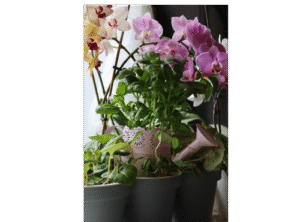
• Multiple drainage holes, not just one at the bottom
• Ventilation slots or mesh sides to allow for air movement
• Lightweight materials that don’t retain heat unnecessarily
• Clear or translucent sides ideal for varieties with photosynthetic roots
• Stable base and shape especially for top heavy orchid types
These features combine to create a low risk environment for roots, one where air, water, and light are all carefully balanced.
Clear pots vs slotted pots: which is better for your orchid?
Clear plastic pots are extremely popular among orchid enthusiasts. They allow light to reach the roots (especially important for Phalaenopsis), and they make it easy to see when to water or repot.
Slotted or mesh pots offer superior ventilation, great for growers in humid areas or for mounting orchids that need maximum drying between waterings.
Many experienced gardeners use both: a clear inner pot for visibility and health monitoring, nested inside a decorative slotted ceramic pot for visual appeal.
Comparing orchid pot materials: plastic, terracotta, and ceramic
Plastic pots
• Lightweight and affordable
• Retain moisture slightly longer
• Often available in clear styles for root visibility
• Can become brittle over time when exposed to sunlight
Terracotta pots
• Porous and breathable, great for air loving roots
• Heavy, providing stability for large orchids
• Dry out quickly, useful for overwaterers
• Can accumulate salt deposits if not flushed regularly
Ceramic pots (glazed or slotted)
• Attractive and often used as outer pots
• Glazed ceramic retains more moisture
• Slotted ceramic bowls combine airflow with aesthetics
• Must ensure drainage holes are adequate
At Ashi Homes & Gardens, we stock all these types, each suited for different orchid varieties and watering styles.
Avoid These Common Orchid Potting Mistakes
Overwatering, poor drainage, and potting mix mishaps
Most orchid problems begin below the surface. Here are the most common potting related issues:
• Using regular potting mix, too dense and moisture retentive
• Keeping orchids in sealed decorative pots, no drainage equals stagnant roots
• Overwatering, especially dangerous in cooler months
• Waiting too long to repot, leads to root crowding and poor airflow
• Using pots that are too large, excess space holds moisture and slows root recovery
These mistakes are easy to fix and even easier to prevent with the right setup.
How the right pots and media protect your orchid
A well designed orchid pot combined with the right growing media creates the foundation for thriving roots.
The media should be coarse, well draining, and structured. Popular choices include:
• Orchid bark provides airflow and simulates natural growing conditions
• Charcoal absorbs impurities and prevents odour
• Sphagnum moss retains moisture with a light, springy texture
• Perlite or pumice adds aeration and resists compaction
Mixes vary by variety. Some orchids prefer fast drying blends with bark and perlite, while others benefit from a sphagnum heavy mix during drier months.
At Ashi, we offer pre mixed orchid blends as well as individual ingredients, so you can customise your potting medium based on your conditions and species.
Tailored tips for Brisbane and Gold Coast orchid growers
Orchids in Southeast Queensland face specific challenges:
• Summer humidity can keep pots damp for too long, increase airflow with slotted or net pots
• Winter dry spells can dry out sphagnum based media, adjust watering frequency carefully
• Storm seasons mean sudden downpours, always use free draining pots, especially outdoors
• Indoor orchids may need fans or windows left ajar to prevent stagnant air
Choosing the right pot isn’t just about the plant, it’s about matching the pot to your local environment.
When and how to repot your orchid: a step by step guide
Wait until after flowering, orchids prefer repotting in their resting phase
Remove old media gently, shake and rinse roots to remove debris
Trim dead or mushy roots, use sterilised scissors
Select a slightly larger pot, but not too big
Add fresh orchid mix, supporting roots evenly
Place in bright, indirect light, and avoid fertilising for 2–3 weeks
Repotting every 1–2 years keeps the media fresh and gives your orchid room to grow.
Let’s Clear Up a Few Things
Do I need a business to shop for wholesale pots?
No. Ashi Homes & Gardens offers wholesale pricing to all customers. No ABN is required.
Do your orchid pots come with proper drainage?
Yes. Most orchid pots stocked have multiple drainage holes or slotted sides for airflow and water control.
Can you help me choose the right pot for my orchid variety?
Yes. Staff at Ashi are experienced in orchid care and can recommend the most suitable options.
Do you carry growing media for orchids?
Yes. Including orchid bark, charcoal, sphagnum moss, perlite, and ready to use orchid mixes.
Do you deliver outside Brisbane?
Yes. Nationwide shipping is available, along with local delivery within Southeast Queensland.
How do your prices compare?
Ashi offers wholesale pricing without requiring bulk orders, often beating major retailers on both cost and quality.
Your Next Bloom Starts Here
At Ashi Homes & Gardens, we’re here to help your orchids thrive, from the first repot to the next big bloom.
Our range of orchid pots, slotted bowls, mesh containers, and clear nursery grade options are all chosen to support healthy root systems. Pair them with our tailored orchid bark, moss, and media for best results.
We also stock decorative outer pots, humidity trays, and growing supports, everything you need under one roof.
Whether you’re just starting out or managing a full orchid collection, we’re here with expert guidance, honest pricing, and products designed to work, no matter your experience level.
Visit us in store or order online today:
Address: A4/10-14 Compton Road, Woodridge QLD 4114
Phone: (07) 3128 1378 | Mobile: 0416 382 444
Website: ashihomesandgardens.com.au/contact-us
Opening Hours: Monday to Friday: 9:00am to 4:00pm | Saturday: 9:00am to 2:00pm
Shipping: Nationwide delivery available. $20 local drop off in Southeast Queensland





