

Imagine you’re tending to a garden struggling with nutrient retention and uneven moisture levels, limiting plant growth and vitality. What if there were a natural mineral that could capture nutrients, release them slowly, and hold water efficiently—all while improving overall soil health? Enter zeolite, a volcanic mineral whose unique chemical and physical properties make it a revolutionary amendment for organic gardeners seeking sustainable soil fertility and moisture management. Backed by extensive scientific research, zeolite’s mineral exchange capacity and porous structure deliver tangible benefits that can transform your garden from the ground up.
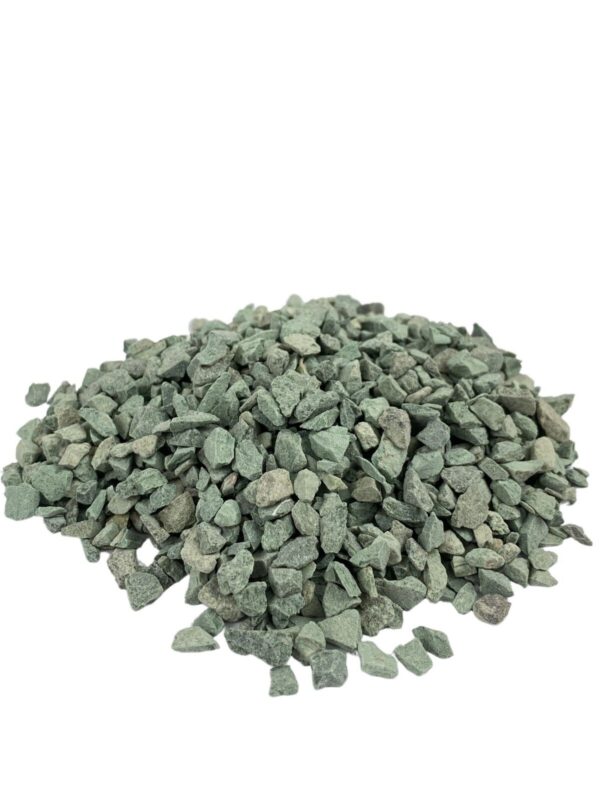
Zeolite Soil Amendment Explained: What Makes It a Game-Changer for Soil Health
Unpacking Zeolite’s Unique Mineral Structure and Chemical Properties
Zeolite is a naturally occurring aluminosilicate mineral formed from volcanic ash reacting with alkaline groundwater over thousands of years. Its crystalline framework features a three-dimensional lattice of silica (SiO4) and alumina (AlO4) tetrahedra, creating a porous, honeycomb-like structure containing cavities and channels. These cavities house cations (positively charged ions) such as calcium, sodium, potassium, and magnesium, along with water molecules—both of which are exchangeable.
This unique mineral architecture is the cornerstone of zeolite’s function as a soil amendment. Because of its high surface area and negatively charged sites within its crystalline matrix, zeolite actively attracts and holds onto essential nutrients and moisture. Unlike inert soil particles, it functions dynamically, engaging in chemical interactions that enhance nutrient availability and water retention.
Why Zeolite’s Cation Exchange Capacity Transforms Soil Fertility
Central to zeolite’s soil-amending prowess is its exceptional Cation Exchange Capacity (CEC). CEC measures a substance’s ability to hold and exchange nutrient cations with the soil solution—a key factor influencing soil fertility. Zeolite typically exhibits a CEC ranging from 100 to 200 milliequivalents per 100 grams, substantially higher than common soil minerals.
This means zeolite acts as a nutrient reservoir, adsorbing and holding positively charged nutrient ions such as ammonium (NH4+), potassium (K+), calcium (Ca2+), and magnesium (Mg2+). These nutrients are not permanently fixed but can be slowly released back into the soil solution in response to plant root uptake, minimising leaching losses during rainfall or irrigation. For organic gardeners, this translates to more efficient nutrient use, decreased fertiliser input, and healthier, more robust plants.
The Role of Porosity in Water Retention and Nutrient Management
The physical porosity of zeolite complements its chemical features. Its microporous structure offers high internal surface area and substantial pore volume, allowing it to absorb and retain water effectively. Research indicates that zeolite can hold up to 20–30% of its weight in water, depending on its specific mineral form and particle size.
This moisture retention reduces soil drying during droughts and improves water availability in sandy or coarse-textured soils. Additionally, the internal pores protect adsorbed nutrients from rapid washout, enabling a gradual release that aligns with plant needs. The combination of moisture retention and nutrient holding capacity means zeolite optimises both water and nutrient dynamics, fostering an ideal root zone environment for plant growth.
In practice, these mineral attributes allow zeolite to stabilise soil conditions, prevent nutrient runoff, reduce fertiliser loss, and improve irrigation efficiency. The result is a powerful ally for organic gardeners aiming to build nutrient-rich, moisture-balanced soils that promote sustained plant health. The Role of Porosity in Water Retention and Nutrient Management
Zeolite’s porous mineral structure plays a critical role in its effectiveness as a soil amendment. Imagine you’re tending to a garden struggling with nutrient retention and inconsistent watering. Adding zeolite can revolutionise how your soil holds water and nutrients — here’s why.
Zeolite is a naturally occurring aluminosilicate mineral characterised by a three-dimensional framework of linked tetrahedra. This creates a highly porous network with vast internal surface area. These pores serve as microscopic reservoirs, capable of holding significant amounts of water and nutrients. This characteristic enhances a soil’s moisture retention capacity, especially in sandy or well-drained soils where water loss is a common problem.
The porosity of zeolite enables it to absorb up to 20–25% of its weight in water, slowly releasing it over time to plant roots. This gradual release mitigates the effects of drought by sustaining moisture availability during dry spells. Furthermore, these pores trap essential nutrients dissolved in soil water, reducing leaching—a common issue in organic gardening where nutrient loss weakens plant growth.
In addition to water retention, zeolite’s pores facilitate microbial activity by providing habitat space. Beneficial microbes involved in nutrient cycling thrive in these protected microenvironments, contributing to healthier, more fertile soil.
In practice, incorporating zeolite into soil means better management of moisture fluctuations and enhanced nutrient conservancy. This leads to improved plant resilience and growth, reduced watering frequency, and lower fertiliser requirements—key advantages for organic gardeners aiming for sustainable soil management.
Optimal Incorporation Techniques for Different Soil Types
Applying zeolite soil amendment effectively starts with understanding the specific requirements of your soil type. Here’s a tactical guide to maximise zeolite’s benefits tailored to common organic garden soils:
- Sandy Soils:
Sandy soils suffer from poor water and nutrient retention. Mixing zeolite at 5–10% by volume into the top 15–20 cm significantly improves moisture holding capacity. Work the zeolite evenly into the soil through rototilling or manual digging before planting. - Clay Soils:
Heavy clay soils are prone to compaction and waterlogging. Zeolite’s porosity can help by improving drainage and aeration. Incorporate it at 3–5% by volume to loosen the soil structure, and ensure it is well mixed to prevent surface crusting. - Loamy Soils:
Loams generally exhibit balanced properties but can still benefit from zeolite to enhance nutrient retention and microbial health. A lighter amendment rate of 2–5% by volume applied annually provides incremental improvement without upsetting soil balance. - Raised Beds and Container Gardens:
In confined soil volumes where nutrient leaching and drought stress are heightened, blend zeolite at 10–15% volume into the potting mix. This reduces watering frequency and ensures consistent nutrient availability, critical for healthy plant growth. - Application Timing:
Apply zeolite when preparing your garden beds before planting or during soil renovation phases. For ongoing fertility maintenance, a top dressing of zeolite around the root zone every one to two years enhances sustained benefits.
By precisely tailoring your zeolite application to soil type and planting system, you can unlock superior water efficiency, nutrient management, and overall soil vitality.
Recommended Application Rates and Timing for Maximum Effectiveness
Knowing how much zeolite to apply and when is essential for achieving optimal results in your organic garden. Here’s an actionable framework based on agronomic research and field data:
- General Guidelines:
For most garden soils, apply zeolite soil amendment at rates between 1 to 3 tonnes per hectare, which roughly equates to 2 to 6 kilograms per square metre. This translates to approximately 50 to 150 grams per square foot for small-scale gardeners. - High-Intensity Vegetable or Fruit Gardens:
Increase the rate to 4 tonnes per hectare (around 8 kilograms per square metre) to meet the higher nutrient and moisture demands typical in intensive cropping systems. - Application Frequency:
Once incorporated, zeolite’s effects persist for multiple growing seasons due to its mineral stability. Annual or biennial top-up applications of 500 grams to 1 kilogram per square metre help replenish depleted zeolite in active root zones. - Timing Considerations:
The ideal moment to apply is during soil preparation phases—autumn or early spring—allowing zeolite to integrate fully with the soil matrix before planting. For container and raised bed plants, mix zeolite directly into growing media at planting time. - Mixing with Organic Fertilisers:
Co-applying zeolite with compost, manure, or other organic fertilisers optimises the slow-release and retention properties, ensuring nutrients remain available throughout the growing cycle without excess loss.
Following these application principles ensures gardeners harness zeolite’s full capabilities, improving soil health efficiently and sustainably.
Combining Zeolite with Other Soil Amendments and Fertilisers
Integrating zeolite with other soil amendments magnifies its benefits and addresses multiple soil fertility challenges. Here’s how to strategically combine zeolite with complementary inputs for organic gardening success:
- Compost and Organic Matter:
Zeolite stabilises nutrients within compost-amended soils, reducing nitrogen loss through volatilisation or leaching. Adding zeolite alongside aged compost creates a synergistic effect: organic matter improves soil structure and microbial activity, while zeolite retains moisture and minerals. - Biochar:
Like zeolite, biochar is porous but differs chemically. Together, they enhance cation exchange capacity and water retention more effectively than when applied separately. Use a blend with a 1:1 ratio to boost both physical and chemical soil properties. - Lime or pH Amendments:
Zeolite helps buffer soil pH fluctuations by adsorbing excess ions and releasing alkalinity slowly. Combining zeolite with lime neutralises acidic soils more evenly. This is particularly useful in clay or heavily weathered soils. - Organic Fertilisers (e.g., Blood Meal, Fish Emulsion):
When used with soluble fertilisers, zeolite’s slow-release capacity prevents nutrient burn and reduces runoff risks. Apply fertilisers immediately after zeolite incorporation to maximise nutrient retention within the soil matrix. - Mycorrhizal and Microbial Inoculants:
Porous zeolite offers a habitat that supports the establishment of beneficial microbial populations, sustaining inoculant effectiveness over time. Use zeolite as a carrier during inoculation to enhance root colonisation.
By understanding these combinations, organic gardeners can tailor nutrient management strategies that are efficient, environmentally friendly, and supportive of sustainable plant growth.
For professional advice and quality zeolite soil amendment supplies, contact Ashi Homes And Gardens on 0425 382 4494. We provide expert guidance tailored to your garden’s unique soil needs. Unlock the full potential of your organic soil today with zeolite — the smart, science-backed amendment your garden deserves.





