Combining Organic Methods With This Silent Soil Killer for Maximum Impact
Imagine diatomaceous earth not as a weapon in a gardener’s arsenal but as a silent partner, an unassuming sentinel standing guard beneath the soil’s surface. It is not the loud, aggressive force that many pests expect, but a subtle collaborator that changes the game quietly, invisibly, yet powerfully. Picture a gardener who treats their plot not as a battlefield to be won but as a fortress designed for coexistence — a sanctuary where each element has its role, and where “control” is less about domination and more about harmony.
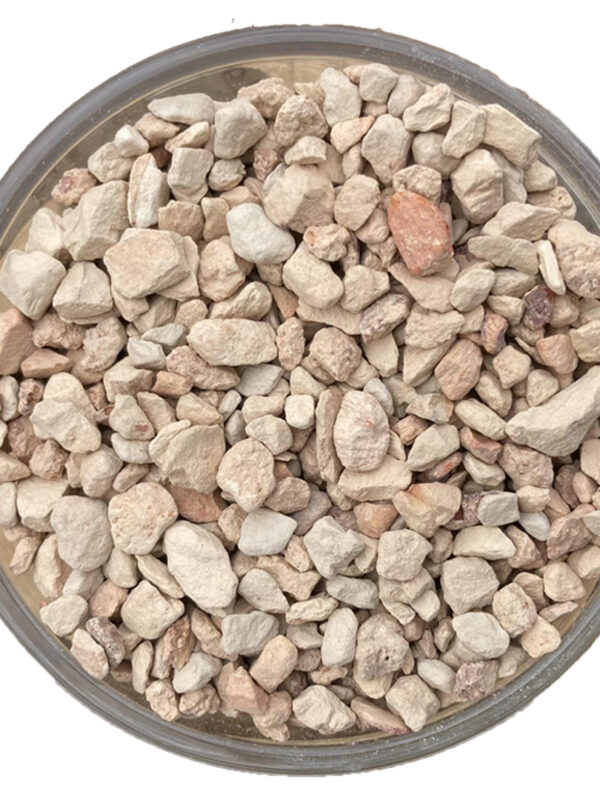
- Please choose product options by visiting Diatomite (Diatomaceous Earth) 3-5mm 20kg.
In this vision, diatomaceous earth transforms from a blunt instrument of pest eradication into a visionary tool of sustainable stewardship. It reshapes the gardener’s role entirely — no longer reactive, scrambling only when pests invade, but proactive and deliberate, anticipating nature’s rhythms and working with them. This shift challenges the traditional mindset that control means complete eradication. Instead, it invites us to redefine control as balance: keeping pests at bay without disrupting the complex ecosystem that supports every sprout and bloom.
By integrating diatomaceous earth into your organic gardening routines, you embrace a strategy that’s part science, part art. This mineral, formed from the fossilised remains of diatoms, cuts through pest problems in a way chemical pesticides cannot — mechanically and naturally — without harmful residue or toxic repercussions. Its fine, abrasive particles puncture the exoskeletons of soft-bodied insects, undermining their survival silently and efficiently. But more than that, it acts as a guardian of soil health, supporting beneficial organisms that nurture your plants.
Think of it as inviting a silent guardian into your garden’s community: not the loud hero of quick fixes but the steady custodian maintaining order without violence. It works best when combined with composting, crop rotation, companion planting, and mulch—organic methods that enhance biodiversity, enrich soil quality, and create resilient ecosystems. Together, these practices form a mosaic of sustainability where diatomaceous earth is both sword and shield — lethal to pests, gentle to nature’s allies.
The real power lies in the gardener’s mindset: to move from fighting an endless war to building a thriving garden where pests are managed, not exterminated, and where soil vitality is preserved for future seasons. When applied thoughtfully and with respect for the ecosystem’s intricacies, diatomaceous earth becomes a symbol of that commitment — a material manifestation of modern stewardship that honours science and sustainability in equal measure.
So, what if the question is not “How do I control pests?” but rather, “How do I coexist with them without surrendering the flourishing life of my garden?” If diatomaceous earth is your silent collaborator, your garden might just become the resilient fortress you’ve imagined — a place where nature and nurture walk hand in hand, unseen but undeniably powerful.
Are you ready to embrace this silent soil warrior not only as a tool but as a partner in your organic gardening journey? How far will you go to blend science with stewardship, and redefine what it means to truly control your garden’s destiny?
Step-by-Step Guide to Applying Diatomaceous Earth Safely and Effectively
Practical Tips That Guarantee Success and Avoid Common Mistakes
Imagine wielding a tool so quiet, so unobtrusive, that it feels less like an intervention and more like an invitation: an invitation for your garden to rebalance itself. That’s the promise of diatomaceous earth—this silent soil warrior whose power lies in its simplicity. But much like any partner in your garden’s ecosystem, it demands respect, understanding, and intentionality. To truly unlock the potential of diatomaceous earth uses, mastery over its application isn’t just beneficial; it’s essential.
First, a crucial principle: dryness is your ally. Diatomaceous earth works by physically damaging the protective exoskeletons of pests. Dampness neutralises its desiccating properties, rendering it ineffective. So, choose your application window wisely—early morning after dew evaporates, or late afternoon before moisture settles again.
Here’s a tried-and-true step-by-step approach:
- Prepare the area. Clear away excess debris to expose pest pathways. The powder won’t reach its targets hidden beneath layers of organic matter.
- Apply a thin, even layer. Use a dust applicator or soft brush to distribute diatomaceous earth across the soil surface, around plants, and along borders. Overapplying isn’t potent; it’s wasteful—and could smother tiny beneficial organisms.
- Incorporate gently into the topsoil to enhance soil conditioning. With your fingertips or a hand rake, lightly mix the powder, blending it without disturbing plant roots.
- Avoid windy conditions. The powder is so fine it can dissipate, losing efficacy and potentially drifting into unintended places.
- Reapply regularly, especially after rain or watering. Moisture effectively neutralises the powder’s pest-fighting edge, and renewal keeps your silent guardian active.
Remember, diatomaceous earth does not discriminate—it can harm beneficial insects like earthworms or pollinators if applied carelessly. The key lies in targeting: focus on hedging pest pathways and affected zones rather than blanketing the entire garden.
Also, consider personal safety. Although food-grade diatomaceous earth is non-toxic, inhaling the fine dust can irritate your respiratory system. A mask and gloves? They’re not just precaution—they’re part of showing respect for this power.
Integrate these practical steps into your gardening routine and watch the transformation. Pest populations controlled without chemicals, soil enhanced without synthetic fertilisers, and an ecosystem nudged towards balance—not domination.
The mastery of application marks a transition from hobbyist to gardener-visionary. By embracing diatomaceous earth uses responsibly, you don’t just manage pests—you script a new chapter of stewardship.
Debunking Myths: What Diatomaceous Earth Can’t Do in Your Garden
Separating Fact From Fiction to Avoid Costly Errors
Among the whispers and half-truths swirling in gardening circles, diatomaceous earth often emerges cloaked in myth—sometimes heralded as a miracle, other times dismissed as ineffective dust. It’s time to shatter these misconceptions, to elevate your understanding of diatomaceous earth uses beyond hype or dismissal.
Myth #1: Diatomaceous earth eliminates all pests instantly.
Truth: It is a slow agent—not a toxin or quick kill chemical. Diatomaceous earth’s mode of action is gradual dehydration, taking days to weaken and ultimately dispatch pests. Impatience leads to overapplication or mixing harsh chemicals, undermining ecological balance.
Myth #2: You can apply it once and forget it.
Truth: Moisture resets the clock; rain, watering, and high humidity diminish its effectiveness. Regular reapplication is not optional—it’s critical for ongoing pest control.
Myth #3: It’s safe to spread everywhere without caution.
Truth: While non-toxic to humans and pets, diatomaceous earth can impact beneficial insects and microfauna essential to soil health. Blanket applications threaten earthworms and pollinating insects that underpin your garden’s vitality.
Myth #4: All diatomaceous earth is the same.
Truth: There’s a world of difference between food-grade powders and filter-grade (industrial) types. The latter contain harmful crystalline silica which can jeopardise health and soil life. Always source high-quality, food-grade diatomaceous earth for garden use.
Myth #5: It improves soil fertility magically.
Truth: Diatomaceous earth augments soil texture and moisture retention but doesn’t replace organic matter or nutrients. It’s a partner, not a panacea.
Understanding what diatomaceous earth cannot do sharpens our vision of its true role. It’s not a silver bullet but a patient collaborator. By debunking these myths, you avoid wasted resources and missteps, joining the ranks of gardeners who wield knowledge as deftly as any tool.
Instead of chasing unrealistic promises, cultivate respect for diatomaceous earth uses as a cornerstone in an integrated, sustainable approach.
Integrating Diatomaceous Earth Into Sustainable Gardening Practices
Combining Organic Methods With This Silent Soil Killer for Maximum Impact
A gardener who sees their plot not as an adversary to vanquish but as a living mosaic to nurture understands an essential truth: real control lies not in domination but in harmony. If diatomaceous earth were a character in this story, it wouldn’t be the hero wielding a sword—it would be the silent sentinel standing guard, invisible and indispensable.
Integrating diatomaceous earth into sustainable gardening practices transforms the gardener’s mindset from reactive warfare to visionary stewardship. It connects the dots between pest control and soil health, between earth and ecosystem.
How? Think of diatomaceous earth uses as the quiet pulse beneath your garden’s rhythm, amplifying organic methods you trust. Companion planting encourages natural predator habitats; compost adds nutrients and microbial life; mulching regulates moisture and temperature. Diatomaceous earth inserts itself here, reinforcing these practices by creating micro-barriers against unwelcome invaders and improving soil texture.
This synthesis does more than reduce chemical dependency—it invites a shift in the gardener’s role:
- From exterminator to ecosystem partner.
- From short-term fixes to enduring solutions.
- From controlling pests to cultivating resilience.
Consider a garden where integrated pest management is the rule—where beneficial insects patrol freely and pest populations ebb naturally. Diatomaceous earth is sprinkled strategically, not indiscriminately, creating safe zones that tip the balance toward health rather than destruction.
By embracing this silent soil killer within a broader tapestry of practices, you embed science into stewardship. You choose methods proven over millennia, backed by the precision of modern understanding.
And here’s the challenge: what if your garden could become a model of coexistence, where control means collaboration? Where diatomaceous earth doesn’t diminish nature but empowers it, defending roots without stifling life?
This is the future Ashi Homes And Gardens champions. A future where thoughtful application of diatomaceous earth uses strengthens your garden organically, sustainably, beautifully.
Will you step into the role of gardener visionary—partnering with nature, not opposing it?
Ready to transform your garden with the power of diatomaceous earth? Contact us at Ashi Homes And Gardens on 0428 382 444 to discover expert advice and premium diatomaceous earth products tailored for natural pest control advocates like you. Unlock nature’s silent soil warrior today.