Let’s imagine you’re standing in your garden, frustrated. You’ve worked hard on your beds, your seedlings are finally taking off, and then—you spot them. Slugs. Ants. Beetles. Maybe even some earwigs making a mess of your leafy greens.
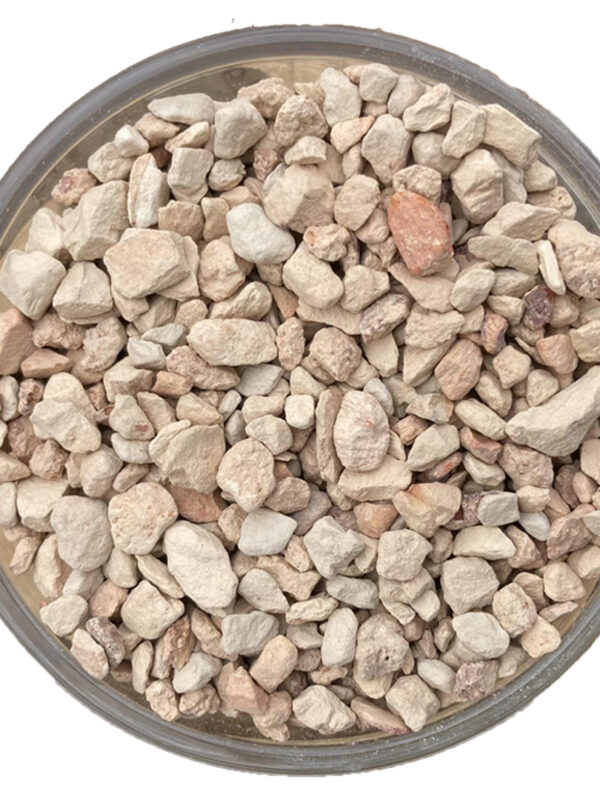
- Please choose product options by visiting Diatomite (Diatomaceous Earth) 3-5mm 20kg.
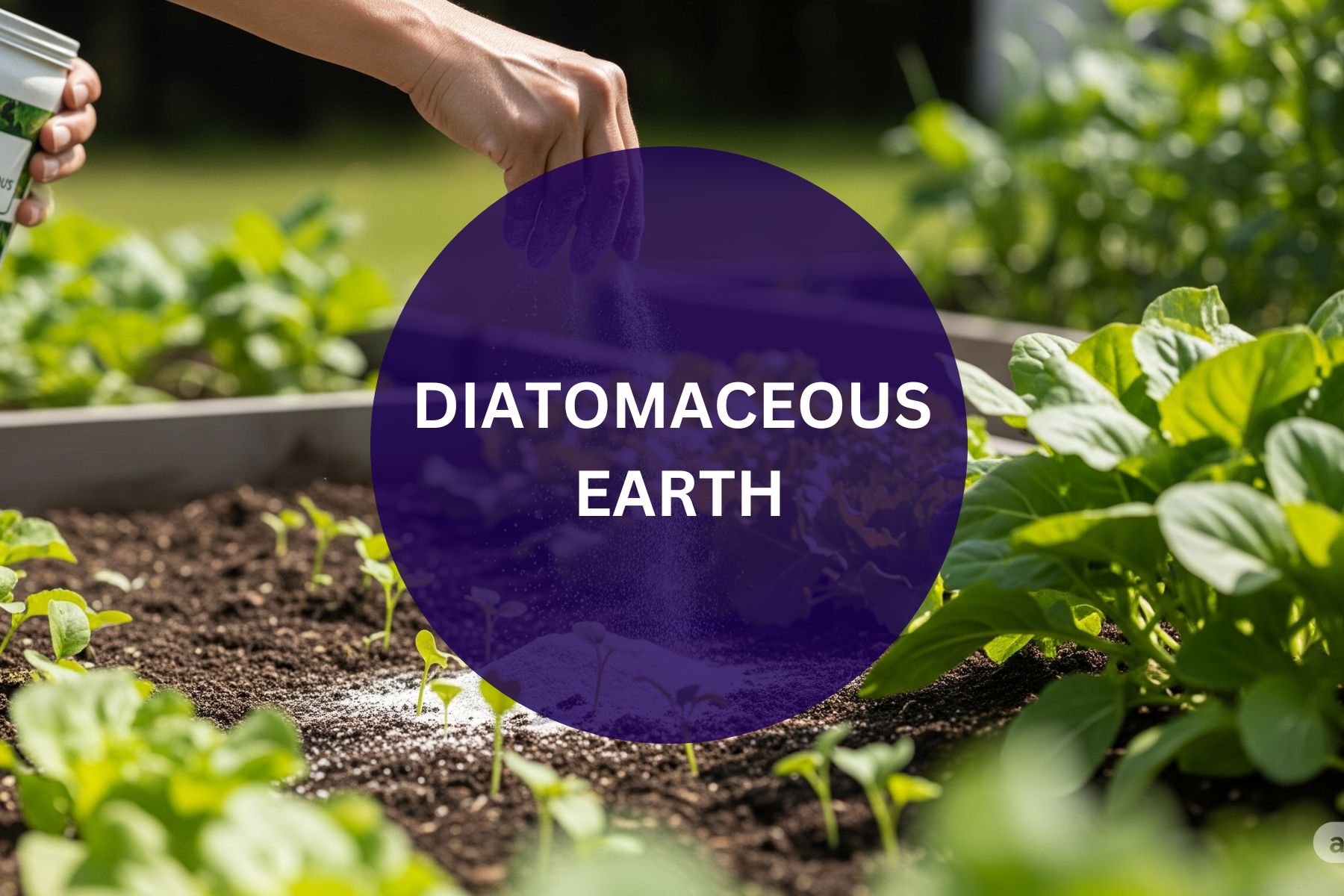
You don’t want to reach for harsh chemical sprays, but you need something that actually works. That’s where diatomaceous earth (DE) often comes into the picture.
At Ashi Homes and Gardens, we speak with gardeners all the time who are exploring natural, non-toxic ways to protect their plants. While this article isn’t a personal story, what follows is a realistic walkthrough of what to expect when using diatomaceous earth—based on common gardening experiences, expert advice, and proven use cases.
The Scenario: A Garden in Need of a Natural Fix
Imagine your garden is dealing with:
A sudden invasion of black ants nesting near your tomato plants
Slugs chewing holes through your lettuce
Beetles popping up around your squash blossoms
Compost heaps attracting a few too many flies
These are the types of problems that food-grade diatomaceous earth is designed to address—without harming your soil, pets, or your health.
Step-by-Step: How You’d Typically Use It
If you were using DE for the first time in a garden setting, here’s how that might look:
Choose a dry day. DE loses effectiveness when wet, so you’d wait until the plants and soil are dry.
Lightly dust areas where pests are active. This might include:
A ring around the base of plants
Soil surfaces where insects travel
The perimeter of raised beds or compost bins
Avoid dusting flowers where pollinators visit—DE is non-selective and can affect beneficial insects if misapplied.
Wear a dust mask when applying large quantities to avoid inhaling fine particles.
Reapply after rain or watering, since moisture washes it away.
It’s easy to apply and requires no mixing or spraying—just a sprinkle where it’s needed most.
What You Can Expect to See (Within About Two Weeks)
If you’re using DE correctly, many gardeners report the following types of outcomes:
Slugs and ants dramatically reduced around the base of vulnerable plants
Fewer visible beetles and earwigs, with some completely disappearing from treated areas
Less damage to leaves—fewer bite marks or holes
Healthier seedlings with stronger survival rates
Compost heaps with fewer flies and odours, when DE is layered in lightly
It’s not an instant fix, but over a week or two, the pest population often drops significantly. Many gardeners notice that DE works best as a preventative layer, stopping infestations before they get out of hand.
What Diatomaceous Earth Won’t Fix
While DE is incredibly useful, it’s not a miracle cure. Here’s what you wouldn’t want to rely on it for:
Wet conditions. Rain, irrigation, and morning dew can all reduce DE’s effectiveness. You’ll need to reapply frequently if your garden is getting regular moisture.
Flying insects. While it may help with some crawling aphids or thrips, it’s not ideal for airborne pests or those that don’t contact treated surfaces.
Misapplication. If you dust too widely or get it on flowers, you may harm beneficial insects like bees. It requires mindful, targeted use.
Should You Try It?
If you’re an eco-conscious gardener looking for a low-tox, natural solution to common pests, diatomaceous earth is absolutely worth exploring. It’s safe when used properly, aligns with organic gardening methods, and provides visible results—especially when part of a holistic pest management routine.
At Ashi Homes and Gardens, we encourage practical, informed gardening—and DE is one of those simple tools that can quietly transform how you protect your plants.
Coming Next: The Many Ways You Can Use Diatomaceous Earth in Your Garden (and Beyond)
In the final part of this series, we’ll break down all the creative, effective ways to use DE—not just for garden pest control, but for composting, soil health, and even around your eco-friendly home.
It’s more versatile than most people realise—and if you’re aiming for a greener garden, it might just become a staple in your shed.
Stay tuned.