

In the quest for optimal plant growth, gardeners and botanists continually seek innovations that lead to healthier and more robust plants. One such breakthrough lies in the ingenious design of anti-spiral pots, which revolutionise the way we nurture plant life. Embrace this evolution in gardening technology as we delve into how anti-spiral pots can expedite plant growth and enhance overall yield.
Understanding Plant Root Growth
The Importance of Healthy Root Systems
The root system of a plant is its very foundation, crucial for stability, nutrient absorption, and overall vitality. Much like the foundation of a structure, the health and efficacy of a plant’s roots determine its ability to thrive. Roots serve as the primary conduit for the intake of water and essential nutrients from the soil, both of which are indispensable for photosynthesis, growth, and reproduction.
Healthy root systems are characterised by their extensive reach and ability to efficiently forage for nutrients. The significance of fostering such robust root development cannot be overstated, as it directly impacts a plant’s resilience to environmental stresses and its potential for growth.
The design of the pots in which plants reside is profoundly influential on root growth. Traditional pots often pose challenges due to their constraining forms. Over time, plants housed in these pots may experience root circling, a phenomenon where roots grow in a circular pattern along the pot’s interior, inhibiting their ability to extend outward. This results in restricted nutrient uptake and can ultimately stunt plant growth. Research from the University of Western Australia’s Florabank Guidelines confirms that anti-spiral or root-training pots with porous or slotted sides significantly reduce root spiralling and encourage healthier, more radial root system development, which supports better aeration, drainage, and nutrient uptake.
Traditional Pots vs Anti-Spiral Pots
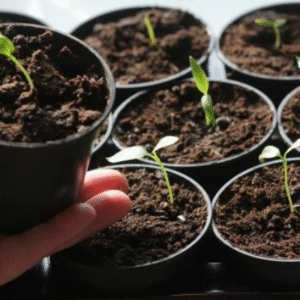
Traditional pot designs, while functional to some extent, have inherent limitations. Typically crafted with solid, impermeable walls, these pots do little to combat the issues of root circling and poor aeration. Such environments can lead to oxygen deprivation and waterlogging, conditions unfavourable for healthy plant development.
In contrast, anti-spiral pots present an innovative approach, addressing the shortcomings of traditional pots. These designs incorporate features specifically intended to avert root circling and promote healthier growth patterns. With a focus on creating an environment conducive to air pruning, which naturally stimulates root branching and prevents tangling—anti-spiral pots encourage roots to grow more uniformly.
Through these advancements, anti-spiral pots provide the foundation for plants to reach their full potential, achieving both faster growth rates and higher resilience. In the subsequent sections, we shall explore the science underlying these innovative designs and delve into the myriad benefits they offer to both amateur and professional horticulturists alike.
The Science Behind Anti-Rotation Plant Containers
Design Features of Anti-Rotation Plant Containers
The innovative design of the anti-rotation plant container serves as a game-changer in modern horticulture. At the core of its design is the unique contouring and interior ribbing that work synergistically to avert root circling. Traditional pots often constrain plant roots, leading to problematic circular growth that stifles their potential. In contrast, anti-rotation plant containers articulate a structure that facilitates outward root growth, encouraging roots to develop in a more natural, radial pattern. This arrangement capitalises on the plant’s inherent growth tendencies, promoting stronger and healthier root systems.
The strategic incorporation of air pruning apertures, small air holes on the sides and base of these containers—plays a crucial role. These apertures enable root tips to be naturally pruned by exposure to air, preventing them from circling and improving root branching. The container’s materials are often chosen for their durability and breathability, ensuring that air and moisture are managed efficiently to support root health. This meticulous design helps in maintaining the ideal balance of aeration and nutrient absorption.
Benefits of Anti-Rotation Plant Containers for Plant Growth
The first notable advantage of anti-rotation plant containers is the enhanced nutrient uptake they offer. Roots spread outwards and downwards, accessing soil and nutrients more effectively than their counterparts restricted by traditional pot structures. This expansive reach not only optimises nutrient absorption but also supports the plant’s overall physiological needs, leading to robust growth.
Improved aeration is another key benefit associated with these containers. The combination of superior aeration features ensures that the roots remain oxygen-rich, which is vital for respiration and nutrient processing. Furthermore, this aeration is instrumental in preventing waterlogging, a common issue in conventional pots that often results in root rot, thereby supporting healthier, disease-resistant plant growth.
In addition to these advantages, the improved drainage properties of anti-rotation plant containers significantly contribute to plant health. By facilitating efficient moisture control, these containers uphold an environment conducive to healthy root development, reducing the stress caused by excess water retention. This ensures that the roots can maintain optimal growth conditions throughout fluctuating environmental conditions.
The Science Behind Anti-Spiral Pots
Design Features of Anti-Spiral Pots
Anti-spiral pots, also known as air-pruning containers, are designed to counteract one of the most common issues in pot-based plant cultivation—root circling. Traditionally, when plants grow in standard pots, their roots extend outward until they encounter the walls of the container. With no escape route, the roots begin a process of spiralling along the pot’s inner surface, leading to root-bound plants that struggle to absorb nutrients and water efficiently.
The innovative structure of anti-spiral pots prevents this process by incorporating specialised design features that encourage outward root growth and natural pruning. These pots are typically characterised by perforated or slotted sides that expose growing roots to the air. When a root reaches the edge of the pot and encounters oxygen, it undergoes a natural pruning process, prompting the plant to generate additional lateral roots instead of continuing along a constricted path.
Another defining feature of anti-spiral pots is their ribbed or ridged interior. These ridges guide roots downward rather than allowing them to circle indefinitely. Some designs also include slightly tapered walls, which further optimise root distribution and minimise the compacting effect seen in traditional round containers.
The result of these structural innovations is a significantly healthier root system with enhanced nutrient uptake, improved aeration, and superior drainage. Together, these properties create an optimal environment for robust plant growth from the roots up.
Benefits of Faster Plant Growth with Anti-Spiral Pots
Yield Improvement for Gardeners
The advantages of using anti-spiral pots extend beyond root health, directly influencing plant growth rates and overall productivity. For gardeners, increased yields equate to more vibrant, healthier plants that can develop more efficiently due to superior root systems. Traditional pots often encourage roots to grow in a circular pattern along the inner surface, leading to root-binding, reduced nutrient uptake, and compromised plant health. However, anti-spiral pots are specifically designed to inhibit root circling, promoting a healthier and more functional root system.
By facilitating a more evenly dispersed root structure, anti-spiral pots enable plants to access nutrients and water more efficiently. Research and anecdotal evidence from gardening enthusiasts suggest that plants housed in anti-spiral pots grow faster and exhibit greater vitality than those grown in conventional containers. Additionally, these pots encourage the development of fibrous lateral roots, which are crucial for absorbing nutrients more effectively than thick, spiralled root structures.
Studies conducted by horticultural institutions highlight the measurable advantages in plant growth and yield. A comparative analysis between plants grown in standard pots and those housed in anti-spiral pots revealed that the latter produced a 20-30% increase in biomass. This uptick in growth stems from enhanced aeration, superior drainage, and a more structured root system that prevents over-compaction of soil.
For gardeners cultivating fruits, vegetables, or ornamental flora, the implications of these advantages are significant. Improved root health translates to stronger, more resilient plants capable of withstanding environmental stressors, such as drought conditions or fluctuations in nutrient availability. This benefit is of particular importance for urban gardeners who rely on container planting methods due to space restrictions.
Comparative Growth Results with Traditional Pots
When assessing the effectiveness of anti-spiral pots, it is essential to compare their impact versus traditional pot designs. Conventional containers often stifle optimum root development due to their smooth interior walls, which encourage roots to grow in continuous circles around the edge, ultimately leading to entanglement and congestion. Over time, this phenomenon diminishes the root system’s capacity to absorb essential minerals and water, delaying growth and diminishing overall plant health.
Experiments conducted within agricultural research centres have demonstrated that plants grown using anti-spiral pots exhibit accelerated development within the first few weeks of transplanting. This rapid growth is attributed to the aeration patterns established by the strategically placed ridges and breathable structures of the pots, ensuring that roots always have access to necessary oxygen.
Furthermore, plants in traditional pots often require more frequent transplanting to prevent stagnation in growth, whereas anti-spiral pots mitigate the need for constant repotting. This design not only enhances plant sustainability but also reduces the demand for excess soil use, making them a cost-effective option for long-term cultivation.
Impact on Botanical Research
Anti-spiral pots have become a valuable asset in botanical research, where understanding root development plays a crucial role in ecological conservation and agricultural breakthroughs. Investigations into plant physiology have confirmed that root health directly correlates with above-ground growth patterns.
As a result, many research institutions are now employing anti-spiral pots to analyse nutrient distribution, plant resilience, and long-term growth effects.
In the context of botanic studies, root system architecture is often a determining factor in assessing plant adaptability and survival rates. Research on rare and endangered plant species, for instance, benefits greatly from anti-spiral pot designs, enabling botanists to cultivate healthy saplings ready for reintroduction into native habitats. Without proper root aeration and spacing, these species may struggle to establish themselves in the wild, particularly if originally grown in traditional pots.
Additionally, anti-spiral pots are increasingly used in hydroponic research setups, where controlled root exposure to nutrients is critical for studying optimal plant nutrition. By ensuring that roots expand outward rather than competing for space in confined containers, researchers can evaluate the direct impact of specific minerals and compounds on plant development.
This surge of interest in anti-spiral pot technology marks a shift in botanical research standards, reinforcing the notion that innovative planting methods can significantly impact the future of plant science. Universities and research facilities worldwide are now incorporating these designs into their studies, acknowledging the broader implications for agricultural productivity and environmental sustainability.
Potential for Increased Biodiversity and Conservation Efforts
Biodiversity conservation relies on effective plant propagation strategies, particularly for species that require precise growth conditions to thrive. By reducing instances of root circling and confinement, anti-spiral pots facilitate the healthy development of seedlings essential for biodiversity enhancement in botanical reserves and ecological projects.
Many conservationists advocate for the use of anti-spiral pots when cultivating indigenous and at-risk plant species. Their ability to promote stronger root networks means that once transplanted, these plants are more likely to integrate successfully into natural environments. In controlled nursery settings, experiments demonstrate that plants grown in anti-spiral pots show a higher success rate when reintroduced into the wild, in comparison to those grown using traditional methods.
The application of anti-spiral pot technology extends to afforestation projects aimed at restoring degraded landscapes. Given that tree saplings with robust root systems are better equipped to survive in reforestation efforts, conservationists are increasingly employing these pots as an integral part of sustainable planting initiatives.
Beyond conservation, home gardeners and commercial growers alike stand to benefit from improved biodiversity within their planting environments.
Stronger and healthier plants lead to more balanced ecosystems, contributing to richer soil conditions, enhanced insect populations, and increased carbon absorption capabilities in urban and rural landscapes.
Incorporating Anti-Spiral Pots into Your Gardening Practices
Tips for Transitioning from Traditional Pots
Transitioning from traditional pots to anti-spiral pots represents a meaningful shift towards optimised plant cultivation. The first step involves evaluating your current plant collection and determining which specimens would benefit most from this innovation. Begin by prioritising plants with extensive root systems or those that have shown signs of root circling in traditional containers.
Ensure that you select appropriately sized anti-spiral pots to accommodate future root expansion, allowing for ample room without being excessively large.
When repotting, handle your plants with care to minimise root damage. Gently loosen the roots, especially if they are tightly wound in a circular pattern. Position your plant centrally in the anti-spiral pot, and fill with a suitable potting mix that facilitates improved drainage and aeration. Gradually adjust watering routines as anti-spiral pots often enhance moisture retention patterns.
Case Studies of Successful Gardening Transformations
Numerous gardeners have experienced transformative outcomes upon integrating anti-spiral pots into their practices. In one documented case, a horticulturist specialising in ornamental shrubs reported a marked improvement in plant vigour and bloom size when transitioning to these innovative pots.
Similarly, a commercial vegetable grower observed up to a 30% increase in yield across several crop types, attributing this to the enhanced root health and nutrient uptake provided by anti-spiral pots.
These successes highlight the tangible benefits of adopting advanced potting solutions over conventional methods. By alleviating common issues such as root binding and poor soil aeration, gardeners are achieving new levels of productivity and sustainability.
Future Trends in Gardening with Anti-Spiral Pots
Innovations in Potting Technology
The landscape of potting technology is poised for significant advancements, with anti-spiral pots at the forefront of this evolution. Future iterations are likely to incorporate smart materials that offer dynamic responsiveness to environmental conditions, such as humidity and temperature fluctuations. Additionally, the integration of biodegradable materials is set to enhance the sustainability quotient of these pots, aligning with broader ecological imperatives.
Developments include self-watering systems and modular designs that cater to an evolving range of plant species, thus extending the versatility and adaptability of anti-spiral pots. Such innovations will enable gardeners to customise their potting environments to a previously unattainable degree, further optimising plant growth outcomes.
Impact on Sustainable Gardening Practices
The shift towards anti-spiral pots is more than a technological evolution; it marks a pivotal step towards sustainability in horticulture. By mitigating the issues of root-bound plants and inefficient water use, these pots encourage environmentally friendly gardening practices. Their adoption is emblematic of a commitment to reducing the carbon footprint associated with plant cultivation, notably through reduced resource wastage and improved plant health.
As the gardening community increasingly recognises the ecological benefits of anti-spiral pots, a wider movement towards eco-friendly gardening practices is anticipated. By championing these advancements, both amateur and professional gardeners can play a pivotal role in fostering a greener future, creating thriving gardens that are as sustainable as they are beautiful.
10 Common Questions About Anti-Spiral Pots
1. What are anti-spiral pots, and how do they differ from traditional pots?
Anti-spiral pots, also known as air-pruning containers, are specially designed to address the issue of root circling, a common problem with traditional pots. Unlike conventional pots with solid walls, these feature perforated or ribbed sides that expose roots to air, promoting natural pruning and encouraging outward growth. This design avoids root-binding and enhances the plant’s nutrient intake capabilities.
2. How do anti-spiral pots improve root health?
Anti-spiral pots enhance root health by preventing roots from circling and becoming root-bound. The introduction of air-pruning stimulates the growth of lateral roots, resulting in a denser, more fibrous root system. This optimised structure improves the plant’s ability to absorb nutrients and moisture more efficiently, contributing to healthier and faster growth.
3. Why is preventing root circling important for plant growth?
Preventing root circling is crucial because it can severely restrict a plant’s ability to take up necessary water and nutrients. Circling roots can become constricted and knotted, leading to poor aeration and limited soil usage. By using anti-spiral pots, the roots grow healthily outward, ensuring better access to resources and ultimately resulting in more robust plant growth.
4. Can anti-spiral pots affect the watering routine of plants?
Yes, transitioning to anti-spiral pots may require adjustments in watering routines. Their design often enhances moisture retention and promotes better aeration, which may alter the plant’s water needs. Gardeners and botanists should monitor soil moisture levels closely after transplanting to anti-spiral pots and adjust watering frequencies accordingly.
5. Are anti-spiral pots suitable for all plant types?
While anti-spiral pots are beneficial for a wide range of plants, particularly those prone to root binding like shrubs, trees, and large flowering plants, it is important to consider the specific needs of each plant species. Succulents, herbs, and vegetables also benefit greatly, but care should be taken to select appropriately sized pots for optimal root development.
6. How can transitioning to anti-spiral pots enhance sustainability in gardening?
By reducing root binding and improving nutrient and water uptake efficiency, anti-spiral pots help decrease resource wastage. Their superior drainage and aeration contribute to healthier plant growth, reducing the need for excessive fertilisation and watering. Additionally, future innovations in pot design may incorporate biodegradable materials, further supporting eco-friendly gardening practices.
7. What steps should be taken to repot plants into anti-spiral pots?
When transitioning to anti-spiral pots, start by gently loosening the plant’s root ball, particularly if it has formed a circular pattern. Place the plant centrally in the new pot, using a suitable potting mix that enhances drainage and aeration. Make sure to select a pot size that accommodates future root expansion without excessive space, and gradually adjust your watering regimen to suit the new conditions.
8. How do anti-spiral pots impact plant resilience to environmental stresses?
The enhanced root systems developed in anti-spiral pots improve a plant’s resilience by ensuring efficient nutrient and moisture uptake, even during adverse conditions like drought or temperature fluctuations. A robust root structure supports the plant’s overall health and fortifies it against environmental stressors, contributing to a hardier and more vigorous growth.
9. Are anti-spiral pots more expensive than traditional pots?
While anti-spiral pots may have a higher initial cost due to their advanced design features, their long-term benefits often outweigh this initial investment. The enhanced plant growth, increased yield, and resource efficiency they provide can lead to cost savings in the long run, making them a worthwhile investment for serious gardeners and botanists.
10. How do anti-spiral pots contribute to decorative and productive gardening?
The use of anti-spiral pots extends beyond just functional benefits; they also enhance the aesthetic appeal of gardens by encouraging lusher foliage and more abundant blooms. In productive gardening, such as growing vegetables or herbs, these pots can result in larger yields due to the optimised root systems that improve overall plant health and vigour.
Ready to Upgrade Your Gardening?
Give your plants the best start possible with high-quality anti-spiral pots. At Ashi Home and Gardens, we offer durable, sustainable potting solutions that promote healthy root growth and vibrant plants. Whether you’re a home gardener or managing a large nursery, our expert team can help you choose the right products for your needs.
Visit Ashi Home and Gardens today and take the first step towards thriving, resilient plants.





