
The secret to thriving azaleas lies beneath the surface. While many gardeners unwittingly undermine their efforts with unsuitable soil choices, you can unlock the lush potential of your azaleas by introducing a game-changing element—Kanuma soil! This essential guide provides all you need to know about Kanuma and why it must become a staple in your garden.
Understanding Kanuma and Its Importance in Azalea Care
What is Kanuma?
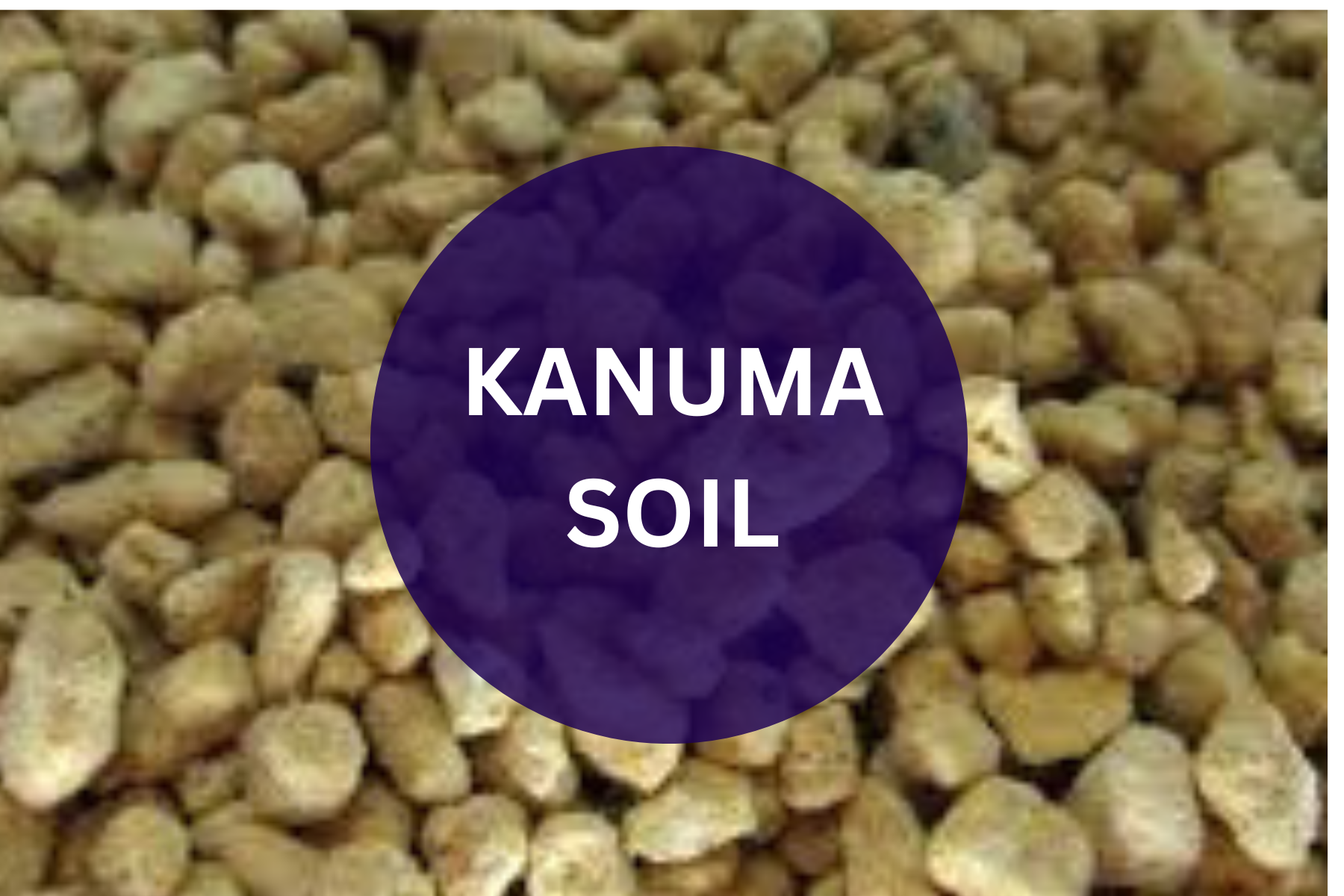
In the world of horticulture, Kanuma soil is renowned for its unique origin and attributes. Sourced primarily from the Kanuma region in Japan, this soil is derived from weathered volcanic pumice—a highly porous mineral. Its pale-yellow hue is characteristic, and its unique composition sets it apart from other soil types. Kanuma is not merely a mixture of particles; it is a meticulously formed natural substrate ideal for cultivating sensitive plants like azaleas.
Kanuma’s primary distinction lies in its lightness and superior drainage capabilities. Unlike standard potting soils or garden earth, Kanuma provides an ideal balance of aeration and moisture retention. These properties are crucial for azaleas, which demand a particular environment to flourish.
Benefits of Using Kanuma for Azaleas
For azaleas, the use of Kanuma can dramatically improve growth and overall health. One of the foremost benefits of Kanuma soil is its capability to maintain optimal pH levels for acid-loving plants. Standard soils often fluctuate in pH, negatively impacting plant health. Kanuma, however, stabilises the soil environment at an acidic 4.5 to 5.0 pH, which is precisely what azaleas require.
Another vital role of Kanuma soil is in water management. Its porous structure allows for excellent drainage while retaining just the right amount of moisture. This prevents waterlogging—a common issue that spells disaster for azalea roots—and encourages robust root development. The combination of good drainage and moisture retention makes Kanuma an invaluable medium in maintaining plant vitality.
According to Australian horticultural warnings on Phytophthora, root-rot pathogens like Phytophthora cinnamomi are a serious threat to azaleas. With no known cure, prevention through proper drainage is essential. Kanuma’s structure helps protect your plants from this devastating disease by keeping roots well-aerated and dry enough to prevent pathogen spread.
Preparing Your Azaleas for Optimal Growth
Selecting the Right Kanuma for Your Needs
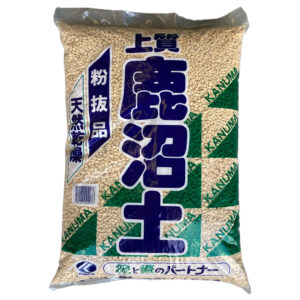
When cultivating azaleas, choosing the appropriate substrate is a critical step towards achieving thriving plants. There are various types of volcanic soil options available, each with their unique properties and suitability for different applications. Selecting the correct grade and type of volcanic soil not only enhances the health of your azaleas but also adapts well to Australian climates. They range from fine particles ideal for seedlings, to larger granules suited for mature plants, ensuring you provide the right environment for your azaleas to flourish.
In Australian climates, factors such as humidity, temperature, and seasonal rainfall must be considered when selecting the type of volcanic soil to use. The local conditions will influence how quickly the soil dries, which in turn impacts water retention and the frequency of irrigation required. By tailoring your choice to match these conditions, you improve plant resilience and vitality.
Steps to Incorporate Kanuma Effectively
Once you’ve selected the ideal volcanic substrate, the next step involves integrating it effectively with your existing soil. Proper mixing ensures that the characteristics of the volcanic soil, such as its excellent drainage and pH balance capabilities, are fully exploited. Begin by evenly distributing the volcanic soil into your garden bed or potting mix. A common technique involves creating a blend of approximately 70% volcanic soil with 30% organic compost or potting mix, which provides a balanced environment for nutrient uptake.
For optimal results, especially in preparing azalea planting beds, follow these steps:
- Start by clearing the area of weeds and debris to create a clean working space.
- Loosen the existing soil to a depth of about 30 cm, ensuring it is aerated and free of compact clumps.
- Sporadically layer volcanic soil over the planting area and use a rake or hoe to mix it evenly with the native soil.
- For containerised plants, choose pots with good drainage holes and fill them with the volcanic soil-compost mix.
- Plant your azaleas, ensuring the root ball is fully covered and water the area thoroughly to help settle the soil mixture.
Of course, spot checks on the soil’s moisture levels and adjustments in watering schedules according to weather conditions will contribute significantly to plant health and growth. By mastering the incorporation of volcanic substances, you set a solid foundation for your azaleas to thrive.
The Role of Kanuma in Professional Landscaping
Utilising Kanuma in Garden Centre Settings
Garden centres are more than retail spaces—they are educational hubs that shape public perceptions of proper plant care. When it comes to ericaceous plants like azaleas, soil for acid-loving plants becomes a critical talking point. Displaying healthy, vibrant azaleas in Kanuma soil not only draws customer interest but also demonstrates the dramatic difference the right substrate can make.
Kanuma’s light, airy texture is ideal for potted displays. Unlike heavier soils that may compact over time and reduce root aeration, Kanuma ensures ongoing drainage while still maintaining adequate moisture. This balance is vital in garden centre environments where plants are often subject to artificial lighting, temperature fluctuations and irregular watering schedules.
For staff, Kanuma offers an excellent tool to educate customers on the unique care requirements of rhododendrons, camellias and other acid-loving species. Visible indicators such as water not pooling on the surface, lack of root rot, and bright leaf colour help reinforce the effectiveness of Kanuma. When customers see how it works in practice, they’re more likely to trust expert recommendations.
Additionally, many garden centre owners are now using Kanuma in bonsai demonstrations, which highlights its versatility beyond standard bedding. By working it into educational sessions and workshops, staff can promote sustainable planting habits and offer value-added insights that elevate customer experience.
Kanuma Solutions for Landscape Designers
For professional landscape designers, understanding and utilising Kanuma is not optional—it’s essential. Landscape design isn’t just about visual symmetry or curb appeal; it’s about health, longevity and resilience. Kanuma offers a powerful solution for projects that include acidic soil lovers such as azaleas, rhododendrons, pieris and even some varieties of magnolia.
The unique granularity and light weight of Kanuma make it an easy addition to large planting designs, particularly in sloped or terraced gardens where water run-off can be a concern. Its high porosity means it retains enough rainfall to nourish roots without flooding them, reducing the need for intensive irrigation systems and helping maintain balance in naturalistic planting schemes.
In urban developments or rooftop gardens, where space and load-bearing limitations are critical, Kanuma becomes even more valuable. Its low bulk density makes transport and installation easier, while its consistent pH stabilises the root environment. For clients seeking low-maintenance plantings that remain vibrant through seasonal changes, Kanuma provides the unseen foundation for reliable growth.
More importantly, Kanuma assists in soil pH adjustment for plots where native soils lean alkaline. Instead of relying on chemical soil amendments—which may degrade over time or leach into groundwater—designers can directly incorporate Kanuma into the planting zones for immediate and lasting results. This is particularly beneficial in regions with hard water or calcareous soils that naturally oppose ericaceous plant compatibility.
Designers incorporating Kanuma into their specifications also gain a market advantage. Educating clients on its environmental benefits—such as reduced need for synthetic fertilisers and pest control—adds value to project proposals and aligns with broader goals of eco-conscious design. A garden that thrives with less intervention becomes a point of pride both for designer and client alike.
Furthermore, Kanuma supports long-term plant health in large mixed borders containing both natives and exotic cultivars. By using Kanuma strategically in zones planted with acid-loving species, it is possible to create nuanced micro-environments that cater to a variety of needs within a cohesive design. This granular level of control helps deliver stunning seasonal displays year after year, making it a critical material in the professional landscape designer’s toolkit.
Common Mistakes and How to Avoid Them
Pitfalls in Using Kanuma Improperly
DO NOT underestimate the importance of using Kanuma correctly—your azaleas depend on it. While Kanuma is revered among gardening enthusiasts for its exceptional ability to support acid-loving plants like azaleas, misapplication can lead to suffocated roots, stunted growth, or even the untimely death of your prized blooms. Let’s dive into the most frequent errors gardeners make when handling Kanuma soil—and how to ensure you aren’t making the same fatal mistakes.
Using Pure Kanuma Without Regulation: One of the most common issues arises when gardeners use 100% Kanuma without modification. While Kanuma is lightweight and retains moisture effectively, it can become compacted over time, leading to inadequate air circulation in the root zone. This suffocates the roots and creates an environment ripe for root rot. For potted azaleas, it’s crucial to blend Kanuma with other components such as pumice, perlite, or even decomposed pine bark to sustain ideal drainage and aeration.
Overcompensation with Kanuma: Many assume that if a little Kanuma is good, more must be better. WRONG. Excessive use of Kanuma in the wrong soil combinations or in poorly draining containers can actually create water retention issues. The roots of azaleas thrive in a damp—not soggy—environment. Over-saturating with Kanuma or failing to monitor watering habits can create conditions where the roots rot rather than flourish.
Mismatched Soil pH: Kanuma is slightly acidic by nature, which is ideal for azaleas. However, issues arise when gardeners combine Kanuma with alkaline or pH-neutral potting soils that balance out the acidity that azaleas love. This pH tug-of-war can seriously impact nutrient absorption, even if fertilisers are applied. Always test your soil’s pH after mixing to ensure it remains within the ideal range of 4.5 to 6.0 for azaleas.
Ensuring Longevity and Azalea Health
Tending to your azaleas doesn’t stop once they’re planted in Kanuma—it’s a long-term commitment to checking, adjusting, and responding to their needs. Knowledge is power here, and being proactive can stop minor issues from becoming plant-killers.
Regular Monitoring of Soil Moisture: Because Kanuma retains water yet drains swiftly, it’s easy to assume the moisture level is fine on the surface. A critical mistake. To avoid inadvertently under- or over-watering, make a habit of checking the moisture level about 5cm below the surface. If it’s still damp, hold off on watering. Investing in a simple soil moisture meter can be the difference between a thriving azalea and one slowly declining without your noticing.
Lesson in Layering: For in-ground planting, many gardeners fail to consider layered soil structures. Placing Kanuma over compacted clay without addressing underlying drainage issues can create a “perched water table” effect, where water accumulates above the dense layer and rots the roots. Always make sure that soil beneath your Kanuma mix is amended or naturally well-draining before proceeding with planting.]
Neglecting Nutrient Supplementation: Another unexpected pitfall is assuming Kanuma alone provides all the nutrients azaleas need. While Kanuma does improve nutrient absorption thanks to its porous nature, it does not inherently contain sufficient nutrients. Incorporating a proper fertilisation schedule, using acidic plant-specific feeds, is essential to long-term success. Feed your azaleas during the growing season, typically in early spring and again in midsummer, to keep them lush and full of energy.
Ignoring Visual and Growth Signals: Your azaleas will tell you if something’s wrong—you just need to pay attention. Yellowing leaves, limp stems, or reduced blooming might signal issues with your Kanuma setup. Rather than blaming water or sunlight, evaluate your soil composition first. Is it staying too wet for too long? Is the pH still in range? Has the soil compacted after several months of use? An annual soil refresh or top-up with fresh Kanuma can restore aeration and balance.
Improper Storage of Kanuma: If you’re buying Kanuma in bulk, store it correctly! Leaving bags open to moisture can compromise its structural integrity before it even enters the soil. Wet Kanuma breaks down faster and loses the loose, aerated texture it’s known for. Always keep Kanuma in a dry, sealed container until ready for use to preserve its effectiveness.
In summary, Kanuma is not just a trendy planting medium—it’s a specialist substrate that demands careful handling to deliver life-saving benefits to your azaleas. It’s not just about what you plant, but how you plant it. Follow these guidelines and you’ll have your azaleas thanking you with vibrant blooms year after year.
Advanced Kanuma Techniques for Enthusiasts
Customising Kanuma for Specific Varieties
For the dedicated azalea aficionado, mastering the art of tailoring Kanuma soil can result in truly stunning plant specimens. Different azalea varieties flourish under slightly varied soil conditions, and adjusting the composition of Kanuma can make a significant difference. Begin by researching the specific needs of your chosen azalea variety. Consider factors such as the ideal pH and texture requirements. By carefully adjusting the Kanuma mix, perhaps by incorporating small amounts of other substrates, you can create a bespoke environment that encourages your azaleas to thrive beyond expectations.
Innovative Uses of Kanuma Beyond Azaleas
While Kanuma is renowned for its efficacy with azaleas, its utility extends to a wider range of ericaceous plants. Gardeners looking to experiment should consider using Kanuma with rhododendrons, camellias, or even blueberries. These plants share a preference for the acidity and unique drainage properties that Kanuma offers. When cultivating such plants, ensure to assess the specific nutrient and pH requirements, adapting your Kanuma mix accordingly. This innovative use not only expands the versatility of Kanuma but also contributes to a more dynamic and diverse garden landscape.
Maintaining a Thriving Azalea Garden with Kanuma
Seasonal Care Guidelines
Maintaining azaleas in peak condition involves some attention to the seasonal adjustments in Kanuma usage. As the seasons change, so do the requirements of your plants. During the spring, as growth accelerates, azaleas benefit from increased Kanuma to support nutrient uptake and to maintain strong drainage during wetter months. Conversely, in the summer, monitor water retention closely; while Kanuma ensures good drainage, it’s crucial to ensure the azaleas receive adequate moisture during dry spells.
Long-term Benefits for Sustainable Gardening
Incorporating Kanuma into your gardening practices doesn’t just enhance the health of your azaleas; it promotes a sustainable approach to horticulture. The natural acidity and excellent drainage properties of Kanuma minimise the need for chemical soil amendments, thus reducing your garden’s environmental footprint. Over time, the use of Kanuma contributes to healthier soil ecosystems, fostering a garden environment that supports biodiversity and resilience. Furthermore, by relying on a natural product, you’re not only ensuring the longevity and vitality of your azaleas but also adhering to eco-friendly gardening principles.
Kanuma: Essential Answers for Garden Centre Staff and Landscape Designers
1. What Makes Kanuma Soil Ideal for Azaleas?
Kanuma soil is renowned for its optimal pH level and unique porous structure, which provides excellent drainage and aeration. This is crucial for azaleas, which thrive in acidic environments with consistent moisture and air flow around the roots.
2. How Can Garden Centre Staff Effectively Educate Customers About Kanuma?
Garden centre staff can highlight the benefits of Kanuma through demonstrations of healthy azaleas grown in it. Explaining its role in maintaining optimal pH and preventing common issues such as root rot can help in educating customers effectively.
3. In What Ways Can Landscape Designers Incorporate Kanuma in Their Projects?
Landscape designers can utilise Kanuma in areas requiring acid-loving plant species. Its lightweight properties are ideal for urban developments or rooftops, while its pH stabilising ability is beneficial in regions with alkaline soils.
4. What Are Some Common Errors to Avoid When Using Kanuma?
One mistake is not checking the specific pH and moisture needs of different azalea varieties before customising the Kanuma mix. It’s crucial to tailor the soil composition to match these specific needs for optimal results.
5. How Does Kanuma Contribute to Sustainable Gardening Practices?
Kanuma reduces the need for chemical amendments, promoting a more eco-friendly garden environment. Its natural properties support healthy soil ecosystems, thus fostering biodiversity and resilience within the garden.
6. What Role Does Kanuma Play in Professional Landscaping Beyond Azaleas?
Beyond azaleas, Kanuma is effective for cultivating other ericaceous plants like rhododendrons, camellias, and even blueberries. Its acidity and excellent drainage make it versatile for a variety of acidic soil-loving plants.
7. How Can Kanuma Enhance Customer Experience in Garden Centres?
By using Kanuma in plant displays, garden centres not only demonstrate its effectiveness but also draw in customers with visibly healthy plants. Staff can further enhance customer experience by offering workshops and educational sessions on its uses.
8. What Seasonal Care Adjustments Are Required When Using Kanuma?
Seasonal adjustments include increasing Kanuma usage in the spring to support vigorous growth, while monitoring moisture levels carefully during hot, dry summer months to ensure adequate water retention.
9. How Does Kanuma Help in Landscape Design Where Space and Weight Are Concerns?
Kanuma’s low bulk density makes it easy to transport and install, particularly in restricted spaces like urban gardens or rooftops. It supports plant health without adding excessive weight, making it ideal for such applications.
10. How Can Kanuma Soil Improve Our Understanding of Plant Care in Educational Settings?
Kanuma soil serves as a practical teaching tool, illustrating fundamental horticultural principles like pH management and effective drainage. It allows garden centre staff to deepen their understanding while educating the public on best practices for plant care.





