

What if you could create the perfect soil blend for every plant in your garden—
using just a few affordable ingredients?
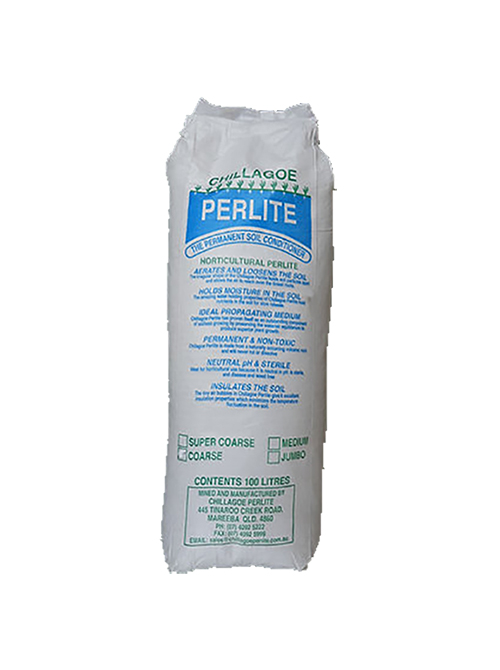
In our last article, we broke down how perlite supports succulents, orchids, and veggies differently. Today, we’re making it practical with easy DIY recipes that bring those insights to life—so your plants get exactly what they need to thrive
Mixing your own soil doesn’t just give you more control—it also helps you save money, reduce waste, and solve common plant problems before they start. Whether you’re potting up houseplants, building a raised veggie bed, or setting up a succulent bowl on your balcony, the right mix makes all the difference.
Best of all, the core ingredients—like premium-grade perlite, coconut coir, bark, and compost—are all available at Ashi Homes & Gardens. So whether you’re mixing from scratch or looking for a shortcut with our ready-made blends, we’ve got everything you need to start building better soil.
What You’ll Need – Core Ingredients for Custom Soil
Before diving into the recipes, it helps to get familiar with the essential components that make up a high-performing DIY potting mix. Each ingredient has a specific role—whether it’s improving drainage, holding moisture, or adding structure—and when combined properly, they form a healthy, plant-specific growing medium.
Here are the core materials you’ll be working with:
1. Perlite
- Role: Drainage and aeration
- Why it matters: Perlite keeps soil light, stops it from compacting, and helps excess water flow through while retaining vital oxygen around the roots.
- Use it for: All plant types, especially in humid or wet conditions.
2. Coconut Coir or Peat Moss
- Role: Moisture retention and structure
- Why it matters: These fibrous materials help hold water and create a spongy, well-structured base for roots to grow through.
- Use it for: Houseplants, veggie beds, and any plant that needs consistent moisture.
3. Compost or Worm Castings
- Role: Nutrient source
- Why it matters: These organic materials provide essential nutrients and beneficial microbes to enrich the soil and feed your plants naturally.
- Use it for: Almost every mix—especially veggies and flowering plants.
4. Orchid Bark or Pine Bark
- Role: Chunky structure and airflow
- Why it matters: These materials create large air pockets in the mix, essential for orchids and other plants with thick or aerial roots.
- Use it for: Orchids, epiphytes, and coarse mixes for succulents.
5. Horticultural Sand or Pumice (Optional Add-ins)
- Role: Gritty drainage and weight
- Why it matters: These components improve drainage and help anchor roots, especially in outdoor pots that need more weight to stay upright.
- Use it for: Succulents, cacti, or when customising gritty, fast-draining blends.
Tools You’ll Need
- Mixing container or wheelbarrow
- Gardening gloves
- Measuring buckets or scoops
- Spray bottle or watering can (for moistening the mix)
With these materials on hand, you’re ready to build potting mixes that match your plants’ specific needs—without relying on generic, one-size-fits-all bags.
Recipe #1 – General Houseplant Mix
Most common houseplants—including pothos, philodendrons, peace lilies, and ferns—need a soil mix that strikes the right balance: light enough to drain well, but absorbent enough to hold onto moisture between waterings. This DIY houseplant mix using perlite is designed to do exactly that.
Why This Mix Works
Houseplants are often grown in indoor conditions where airflow is limited and watering routines can vary. Too much water, and you risk root rot. Too little structure, and roots can become stressed or compacted. This blend creates a breathable, moisture-balanced soil that supports strong, healthy root systems while remaining forgiving if your watering isn’t perfect.
DIY General Houseplant Potting Mix
- 2 parts coconut coir (or peat moss)
- 1 part perlite
- 1 part compost or worm castings
Optional Additions:
- A handful of horticultural charcoal to absorb impurities and keep the mix fresh (great for indoor pots).
- Slow-release fertiliser pellets if you’re not regularly feeding your plants.
Best For:
- Pothos
- Monstera
- Spider plants
- Peace lilies
- Calatheas and ferns
Tips for Use:
- Pre-moisten the mix before potting to avoid dry pockets.
- For larger pots or those with no drainage hole, consider adding a layer of coarse perlite or gravel at the base.
- Refresh your potting mix every 12–18 months to keep it performing at its best.
This blend offers a reliable base for most indoor plants—and it’s easy to tweak as your collection grows, perfect for beginner and time-poor plant parents.
Recipe #2 – Succulent & Cactus Gritty Mix
Succulents and cacti are popular for a reason—they’re tough, beautiful, and low maintenance. But there’s one critical catch: they hate soggy soil. These plants thrive in conditions that mimic their native desert environments, where water drains quickly and the soil stays airy and dry.
A standard potting mix is often too moisture-retentive for succulents, leading to root rot and slow decline. This gritty DIY mix gives them what they need to stay healthy, vibrant, and resilient.
Why This Mix Works
Succulents and cacti have shallow, water-storing root systems that require fast drainage and minimal organic matter. Perlite is key here, as it prevents compaction, adds valuable air space, and quickly wicks away excess moisture.
DIY Succulent & Cactus Potting Mix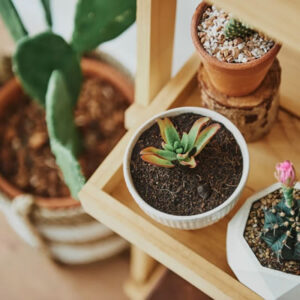
- 2 parts perlite
- 1 part coarse sand or horticultural grit
- 1 part pine bark fines or lean compost
Optional Additions:
- Pumice or crushed gravel to add long-term structure
- Lime or trace minerals if working with native Australian succulents
Best For:
- Echeveria
- Aloe vera
- Haworthia
- Jade plants
- Barrel cacti
- Agave and other arid zone plants
Tips for Use:
- Use in terracotta or unglazed pots to enhance evaporation and prevent excess moisture retention.
- Water thoroughly, but only when the soil is completely dry—these mixes dry fast by design.
- For propagation, cuttings do well in straight perlite or a 50/50 perlite and sand mix before transplanting to the full blend.
This mix mimics the sharp drainage and mineral-rich soils these plants evolved in—giving you plump, happy succulents that resist rot and thrive even in high humidity.
Recipe #3 – Orchid Blend for Airy Roots
Orchids aren’t just beautiful—they’re botanically unique. Most commonly grown orchids, like Phalaenopsis, are epiphytes, meaning they don’t grow in soil at all in the wild. Instead, they anchor themselves to trees, absorbing moisture and nutrients from the air and rain. So, when it comes to potting them at home, a standard mix won’t cut it.
Orchid roots need maximum airflow, quick drainage, and minimal moisture retention—and that’s exactly what this DIY mix delivers.
Why This Mix Works
The combination of chunky orchid bark and coarse perlite creates a light, open structure that mimics tree bark surfaces in tropical forests. Perlite supports the root zone without compacting, while charcoal or coco chips help maintain cleanliness and resist fungal build-up.
DIY Orchid Potting Mix
- 60% orchid bark (medium or coarse grade)
- 25% perlite (coarse grade ideal)
- 15% horticultural charcoal or coco chips
Optional Additions:
- Sphagnum moss (sparingly) for orchids that need slightly more moisture
- Crushed bark mulch for heavier plants needing more anchorage
Best For:
- Phalaenopsis (Moth orchids)
- Dendrobium
- Oncidium
- Cattleya
Tips for Use:
- Use clear pots where possible—orchid roots photosynthesise and enjoy light exposure.
- Rinse bark and perlite before use to remove dust or debris.
- Re-pot orchids every 12–18 months as bark breaks down and airflow reduces.
- Avoid overwatering—this mix is designed to dry quickly to suit orchid roots.
Orchids may seem delicate, but with the right growing medium, they can be surprisingly tough and long-lived. This perlite-rich orchid mix supports strong root growth, fewer disease problems, and more frequent blooming cycles.
Recipe #4 – Raised Veggie Bed Mix
Whether you’re growing leafy greens, juicy tomatoes, or fragrant herbs, vegetables need a soil mix that provides nutrients, moisture retention, and excellent drainage—all while staying loose enough for deep root development. In raised beds, containers, or no-dig gardens, soil can easily become compacted or too dense. That’s where perlite makes a big difference.
Why This Mix Works
Veggies are fast-growing and often shallow-rooted, which means they need soil that stays aerated and doesn’t fluctuate wildly between wet and dry. Perlite helps balance water retention and drainage, creating a forgiving environment that supports both vigorous roots and consistent crop yields.
DIY Raised Veggie Bed Mix
- 2 parts compost or well-aged manure
- 1 part garden soil or topsoil
- 1 part perlite
Optional Additions:
- Coconut coir or peat moss (for added moisture retention)
- Slow-release organic fertiliser (like blood & bone or pelletised chicken manure)
- A handful of gypsum or lime (for clay-heavy soils)
Best For:
- Leafy greens (lettuce, spinach, rocket)
- Fruiting vegetables (tomatoes, capsicum, eggplant)
- Root crops (carrots, beetroot, radishes)
- Herbs (basil, coriander, parsley)
Tips for Use:
- Moisten perlite and compost before mixing to avoid dry spots.
- Build the bed layer by layer, blending well as you go.
- Top-dress with compost or mulch every 6–8 weeks to replenish nutrients.
- In hot climates, adding a layer of mulch over this mix helps maintain soil temperature and moisture.
This custom mix offers veggies the perfect foundation: rich in nutrients, well-drained, and structured enough to support vigorous root systems throughout the growing season.
Want Help Getting Started? Let Ashi Supply Your DIY Essentials
Creating your own DIY potting mix with perlite doesn’t have to be complicated—but having the right materials on hand makes all the difference. Whether you’re building a gritty blend for succulents, a nutrient-rich bed for vegetables, or an airy orchid mix, it all starts with quality ingredients.
At Ashi Homes & Gardens, we supply everything you need to start mixing with confidence:
- Horticultural-grade perlite in various sizes
- Coconut coir, compost, bark, and sand
- Mixing tools, scoops, and reusable pots
- Advice from our friendly in-store team
If you’re not quite sure where to begin, we’re happy to help guide you based on what you’re growing and where you’re planting. Sometimes it’s not about following the perfect recipe—but starting with a good foundation and tweaking as you go.
Visit Ashi Homes & Gardens in-store or online to grab your perlite and build a better potting mix—tailored to your garden, your plants, and your climate.
What’s Next – Troubleshooting Common Potting Mix Mistakes
Even with the right ingredients and good intentions, potting mixes don’t always perform the way we expect. Maybe your soil dries out too fast. Maybe it holds too much water. Or perhaps your plants look unhappy despite all the care you’ve given them.
In the final part of our Perlite Gardening Series, we’ll walk you through:
- How to spot the signs your potting mix needs tweaking
- What to do if your mix holds too much or too little water
- How to refresh old soil without starting from scratch
- The biggest perlite mistakes and how to fix them fast
With a few simple adjustments, you can turn a struggling plant into a thriving one—and avoid wasting time or money on the wrong mix.
Up next: “Soggy Soil, Sad Plants? How Perlite Can Save You From Common Gardening Mistakes.” Stay tuned!





