
Imagine strolling through your garden, each corner brimming with vibrant colours and textures, and knowing it was all achieved through your own creative prowess and on a budget. Hanging baskets offer a unique way to elevate your garden’s beauty without emptying your wallet. Let’s uncover how you can create stunning DIY hanging baskets that will turn your garden into a floral utopia!
Understanding the Basics of DIY Hanging Baskets
What Are Hanging Baskets?
Hanging baskets are versatile garden ornaments, typically containers filled with blooming plants, which are suspended to create a three-dimensional burst of nature. The charm of hanging baskets lies in their ability to add layers and height to your garden space, transforming even the simplest of settings into a lush paradise. Traditionally, these baskets are used to make the most of vertical space in gardens, balconies, and even small urban settings where ground space is limited.
The primary purpose of a hanging basket is to showcase plants in an elevated manner, offering a different perspective on traditional garden compositions. They are a wonderful way to introduce green living to both interior and exterior settings. Beyond mere decoration, they help in creating a more dynamic environment that benefits from vertical design elements, leading the eyes upwards and framing outdoor views beautifully.
The benefits of hanging baskets extend beyond aesthetic enhancements. They allow for creative planting combinations and are ideal for showcasing trailing plants or those with intertwined growth habits. In smaller gardens or urban settings, hanging baskets provide a crucial gardening option for those looking to maximise their growing opportunities. This approach enriches the garden’s biodiversity, offering habitats for pollinators and creating ecological interest in compact spaces.
Choosing the Right Materials
Embarking on your DIY hanging basket adventure begins by picking the right materials. One might consider it an art form to choose containers that are both functional and visually appealing. Fortunately, there are numerous options to choose from, which can suit various tastes and budgets.
When choosing containers, consider durable yet lightweight materials such as metal, wood, plastic, or fibreglass. Each comes with its benefits; metal containers are long-lasting, while plastic ones are lightweight and often more affordable. Meanwhile, fibreglass offers a blend of both attributes, with added elegance. Wooden baskets, while heavier, provide a rustic feel that suits many garden themes.
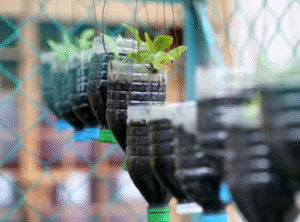
For those on a budget, thrift stores, car boot sales, and gardening community swaps are excellent places to find inexpensive and unique containers. You might even find buckets or pans that could serve as delightful and quirky alternatives. By thinking outside the box, you can transform unexpected items into fabulous hanging baskets, all while keeping expenses down. Choosing materials wisely not only saves money but also contributes to a sustainable gardening approach by reusing and recycling readily available items.
Designing Your Homemade Hanging Baskets
Embarking on the journey of creating your own suspended floral displays is an exciting venture that not only allows creativity to flourish but also transforms your garden into a vibrant sanctuary of colours and textures. Whether you’re a beginner or a seasoned gardener, crafting these floating floral wonders invites a sense of accomplishment and adds a unique charm to your outdoor space.
Selecting Appropriate Plants
Choosing the right plants is a crucial step in ensuring your suspended garden thrives with minimal expense. The secret to success lies in understanding your climate and selecting plants that not only survive but flourish in those conditions. For UK gardens, some ideal choices include hardy fuchsias, which bring vibrant colours, and trailing ivy, which offers lush greenery even in shady spots.
Australia also offers a rich native fern flora, with 30 families, 103 genera, and about 390 native fern species (plus another 10 naturalised ones). Many of these ferns thrive in shade and humidity and lend lush, textural appeal when used in hanging baskets.
Consider seeking out local plant swaps, which are a treasure trove for budget-conscious gardeners. These events offer opportunities to exchange plants and cuttings, expanding your collection without spending a penny. Additionally, local nurseries often carry clearance sections where you can find discounted plants that simply need a little love.
Incorporating Colour and Texture
An artful arrangement of plants brings your hanging garden to life, filling it with visual interest and dynamic appeal. Opting for a mix of flowering plants and foliage creates a depth of texture that captivates the eye. Contrast leafy greens with bursts of floral hues from petunias or geraniums for a harmonious blend that draws admiration from all who pass by.
Don’t hesitate to experiment with plant pairings; the playful juxtaposition of textures and colours can indeed surprise you positively. Aim to balance bold and delicate textures by intertwining bold-leaved plants like coleus with the lacy elegance of ferns. This delightful mix results in a sensory feast that transforms even the simplest spaces into captivating retreats.
Designing Your DIY Hanging Baskets
Creating your own DIY hanging baskets is not just about saving money—it’s an opportunity to express creativity, bring life to your garden, and enjoy the satisfaction of crafting something unique. The right mix of plants, colours, and textures can transform even the simplest hanging basket into a stunning focal point. Whether you’re a seasoned gardener or a beginner, designing your own hanging baskets can be a rewarding and enjoyable project.
Selecting Appropriate Plants
Choosing the right plants for your DIY hanging baskets is crucial to ensuring they thrive. The ideal selection depends on factors like climate, sunlight exposure, and the look you want to achieve. Fortunately, there are many cost-effective options available that allow you to design beautiful arrangements without breaking the bank.
Recommended Plant Types for Various Climates
Understanding your local climate is essential when selecting plants. Certain plants will flourish in specific environments, so choosing appropriately ensures your hanging baskets remain vibrant for months to come. Here are some excellent choices based on different conditions:
- Sunny Climates: Petunias, geraniums, trailing lobelia, and million bells thrive in bright conditions and provide stunning bursts of colour.
- Shady Areas: Begonias, fuchsias, and impatiens work well in low-light conditions, bringing lush foliage and soft hues to shaded spaces.
- Cooler Regions: Violas, pansies, and ivy are excellent choices, as they can tolerate lower temperatures while still offering vibrant visual appeal.
- Drought-Tolerant Options: Succulents, verbena, and portulaca are low-maintenance and resilient choices for those seeking a hanging basket that requires minimal watering.
Low-Cost Options to Maximise Budget Efficiency
If you’re working to a budget, there are plenty of ways to source inexpensive plants:
- Grow from Seeds: Many popular bedding plants can be grown from seeds, saving significant costs compared to buying mature plants.
- Look for Seasonal Discounts: Garden centres often discount plants at the end of the season. With proper care, they can be revived and used in your hanging baskets.
- Divide and Share: Some plants, like hostas and ferns, can be divided into multiple plants. Sharing with friends or neighbours is another great way to build variety without spending extra money.
- Use Cuttings: Many plants, including fuchsias and ivy, can be propagated from cuttings, allowing you to expand your garden for free.
Incorporating Colour and Texture
One of the most exciting parts of designing your DIY hanging baskets is playing with different colours and textures to create visually dramatic displays. By combining a range of plants and considering how they grow and bloom, you can make your baskets look professionally designed while maintaining a personal touch.
Creating Visual Interest with Different Plant Combinations
When assembling plants, a well-balanced hanging basket typically follows the “thriller, filler, spiller” principle:
- Thriller: These are the tallest or most striking plants that add height and drama to the arrangement. Examples include upright fuchsias, geraniums, or salvia.
- Filler: Mid-height plants that provide bulk and help fill gaps, such as begonias, marigolds, or nemesia.
- Spiller: Trailing plants that gracefully cascade over the edges of the basket, like lobelia, ivy, or bacopa, adding movement and softness to the overall design.
By structuring your plant selection this way, each basket can have a complete, eye-catching look with different layers of interest.
Utilising Foliage and Flowering Plants for Dynamic Designs
Great hanging baskets aren’t just about flowers—foliage plays a crucial role in adding depth, texture, and contrast. Here are some foliage options that perfectly complement flowering plants:
- Silver-Leaved Plants: Dusty miller and silver dichondra add a shimmering contrast to brighter flowers.
- Variegated Leaves: Plants like variegated ivy or coleus provide patterned foliage that enhances overall visual appeal.
- Grasses: Ornamental grasses offer height and movement, making baskets feel fuller and more dynamic.
Additionally, evergreen foliage ensures your baskets remain attractive even after seasonal blooms fade.
To create the most vibrant display, consider colour schemes that complement each other. Bold contrasting colours, like red and yellow, create a striking effect, while softer pastel shades, such as lavender and pink, deliver an elegant and serene feel.
Step-by-Step Guide to Creating DIY Hanging Baskets
Transforming your garden with DIY hanging baskets is not only a cost-effective way to add charm and beauty to your outdoor space, but it’s also an incredibly rewarding project. With the right preparation, planting techniques, and organisation, you can create stunning hanging displays that elevate any garden or patio. Follow this guide to craft personalised baskets that will flourish throughout the seasons.
Preparing Your Containers
Before you begin planting, setting up your hanging baskets correctly is crucial for long-lasting success. Ensuring proper drainage, using the right liners, and choosing a sturdy container will make all the difference in the health of your plants.
Step-by-Step Instructions on Setting Up the Baskets
- Choose Your Basket: Opt for a wire basket, plastic container, wicker-style hanging planter, or even repurpose household items like colanders or old buckets. Each option provides different aesthetic and functional benefits.
- Add a Liner: Liners help retain moisture while allowing for proper drainage. Use materials such as coconut fibre, sphagnum moss, or even cost-friendly alternatives like old fabric or biodegradable paper.
- Ensure Proper Drainage: While liners hold moisture, excess water must escape to prevent root rot. Puncture small holes in solid containers or ensure wire baskets allow natural drainage.
- Fill with Quality Compost: Choose a high-quality, multi-purpose compost mix, or create your own by combining potting soil with organic matter like composted leaves or coconut coir for added nutrients.
- Pre-Moisten the Soil: Dry soil can cause issues with plant establishment. Slightly dampen the compost before adding it to your basket to assist with water retention.
Planting and Arranging
The way you arrange and plant within your hanging basket plays a huge role in creating a visually appealing and thriving display. Thoughtful positioning and layering techniques allow plants to grow harmoniously while maintaining a lush and balanced look.
Techniques for Planting in Limited Space
Because hanging baskets have a confined planting area, optimising space is key. Consider these expert techniques:
- Start from the Centre: Plant larger focal plants in the centre of the basket to create height and structure.
- Use Trailing Plants Around the Edges: Allow plants like ivy, lobelia, or trailing petunias to cascade over the sides, giving fullness to the arrangement.
- Layering for Impact: If your basket is deep enough, try staggered planting, inserting holes in coconut fibre liners to weave in extra plants for a fuller appearance.
Organisation of Plants for Optimal Growth and Design
Beyond just fitting plants into a container, strategic placement will help ensure each plant thrives within the shared space.
- Consider Growth Habits: Fast-growing plants can quickly overshadow others. Pair plants with similar growth rates to maintain balance.
- Mind Sunlight Needs: Choose plants with matching sun or shade preferences to prevent some from struggling while others thrive.
- Stagger Blooming Periods: A mix of early, mid-season, and late bloomers ensures colour throughout the growing season.
With proper setup, thoughtful arrangement, and strategic planting, your DIY hanging baskets will produce stunning, flourishing displays that enhance your garden on a budget.
Clever Ideas to Maximise Hanging Basket Impact
Creative Placement Strategies
Transforming your garden with hanging baskets needn’t be confined to the traditional porch or patio. Elevate your creativity by exploring diverse placement options that draw attention to every nook and cranny of your outdoor space. Why not adorn the boughs of a sturdy tree with a cascade of colour? Or perhaps, line a walkway, creating a dynamic corridor of aroma and aesthetics.
For those with limited ground space, consider the potential of tiered hanging arrangements. Suspend baskets at varying heights to develop a cascading effect that captures the eye and elevates your garden’s allure. Remember, vertical spaces are your playful canvas, and with a bit of imagination, even the smallest garden can become a lush sanctuary that radiates personal charm.
Reusing and Recycling Materials
Embrace sustainability in your garden with hanging baskets that champion recycled materials. This approach not only benefits the environment but also keeps your budget delightfully modest. Look around you; old colanders, chipped teapots, or vintage tins can morph into characterful hanging baskets. Let creativity take the lead—your only limitation is your own imagination.
Visit charity shops or car boot sales for inexpensive, potential-filled treasures, or scout your own home for forgotten items ready for a new lease on life. By integrating recycled objects, you imbue your garden space with a story, infusing it with history and heart. Such efforts not only enhance the aesthetic appeal but also reflect a commitment to sustainability and resourcefulness.
Expanding Your DIY Hanging Basket Skills
Exploring Advanced Techniques
Ready to venture beyond the basics and elevate your hanging basket game? Delve into advanced techniques that can render your garden the envy of the neighbourhood. Experiment with layering plants to create a rich tapestry of texture and depth, think cascading ivies beneath upright blooms, or delicate ferns paired with bold floral statements.
For a truly standout feature, explore unique plant varieties that flourish in the vertical realm. From vibrant succulents to trailing nasturtiums, mix and match to craft a masterpiece that reflects your individual flair. Mastering these intricate designs will not only enhance your garden’s visual appeal but also cultivate your skills as a gardener.
Connecting with the Budget-conscious Gardening Community
The journey of mastering DIY hanging baskets is best shared with like-minded enthusiasts. Join the growing community of budget-conscious gardeners, where frugality meets creativity in the most inspiring ways. Social media platforms and local horticultural societies offer fertile ground for exchanging ideas, sharing successes, and seeking advice.
Engage with online forums or attend local gardening shows to connect with individuals who share your passion for creating stunning landscapes without breaking the bank. Together, you can cultivate not just a thriving garden, but also a network of support, knowledge, and inspiration that enriches your gardening endeavours immeasurably.
10 Key Questions: DIY Hanging Baskets for Budget-conscious Gardeners
1. How can I create stunning DIY hanging baskets without spending much?
Start by sourcing inexpensive materials and plants. Visit thrift stores, car boot sales, or even your own shed to find budget-friendly containers. Consider growing plants from seeds or using cuttings to fill your baskets economically. This not only saves money but allows for a truly personalised touch on your hanging baskets.
2. What are the best plants for DIY hanging baskets in varying Australian climates?
Select plants that are suited to your specific climate. For sunny climates, petunias and million bells are brilliant choices. In shady areas, opt for fuchsias or begonias. Cooler regions might benefit from viola or pansies, while succulents and verbena are perfect for drought-prone areas.
3. How do I choose the right container for my DIY hanging baskets?
Choose containers based on durability and style preference. Light-weight materials like plastic or fibreglass are practical and affordable, while metal offers longevity. If you’re going for a rustic look, wooden baskets are a solid choice. Consider recycled containers to further cut costs and boost sustainability.
4. How can I effectively incorporate a variety of plants in one basket?
Use the “thriller, filler, spiller” approach for balanced designs. Start with a tall, eye-catching plant as the “thriller”, fill in with mid-height plants such as marigolds or begonias, and add trailing plants like ivy for the “spillers”. This structure creates a visually engaging display.
5. What colour schemes work best for DIY hanging baskets?
Choose complementary colour schemes that match your garden theme. Bold contrasts like red and yellow make a striking statement, while softer pastels like lavender and pink offer a serene and elegant look. Experiment to find what suits your personal style and garden atmosphere.
6. How can I ensure my hanging baskets thrive with minimal maintenance?
Select low-maintenance plants such as succulents or drought-tolerant varieties. Proper plant choice will mean fewer watering demands. Ensure good drainage in the basket to prevent waterlogging, and consider mixing in water-retentive soil additives to aid moisture retention.
7. How do I secure hanging baskets properly to avoid them falling?
Always use sturdy hooks or brackets to secure your baskets, especially if they are placed in windy areas. Ensure the chosen support can handle the weight of a fully watered basket. Regularly check the attachments for signs of wear and replace if necessary.
8. What are some creative ways to place my hanging baskets?
Think beyond the traditional porch or patio. Consider hanging baskets from tree branches, along walkways, or at various heights for layered effects. Each placement adds depth and dimension to your garden, maximising visual impact even in smaller areas.
9. How can I expand my skills beyond basic DIY hanging basket techniques?
Experiment with combining different plant types, embracing advanced techniques like layering and incorporating unique species. Engage with online gardening communities for tips, workshops, and inspiration. Building a network of fellow gardeners is invaluable for learning new strategies.
10. How can I engage with other budget-conscious gardeners?
Join social media groups or local gardening societies where frugality and creativity are celebrated. Participate in gardening shows or forums to exchange ideas and seek advice. Cultivating a supportive community enhances your gardening journey and ensures continual skill improvement.
Ready to Start Your Hanging Basket Project?
Ready to bring your hanging basket ideas to life? Whether you’re a seasoned gardener or just starting out, you can create stunning, budget-friendly designs that enhance your outdoor space. Start sourcing materials, experimenting with plants, and watch your garden transform into a vibrant display.
For quality gardening supplies, expert advice, and inspiration, contact Ashi Homes And Gardens today.





