
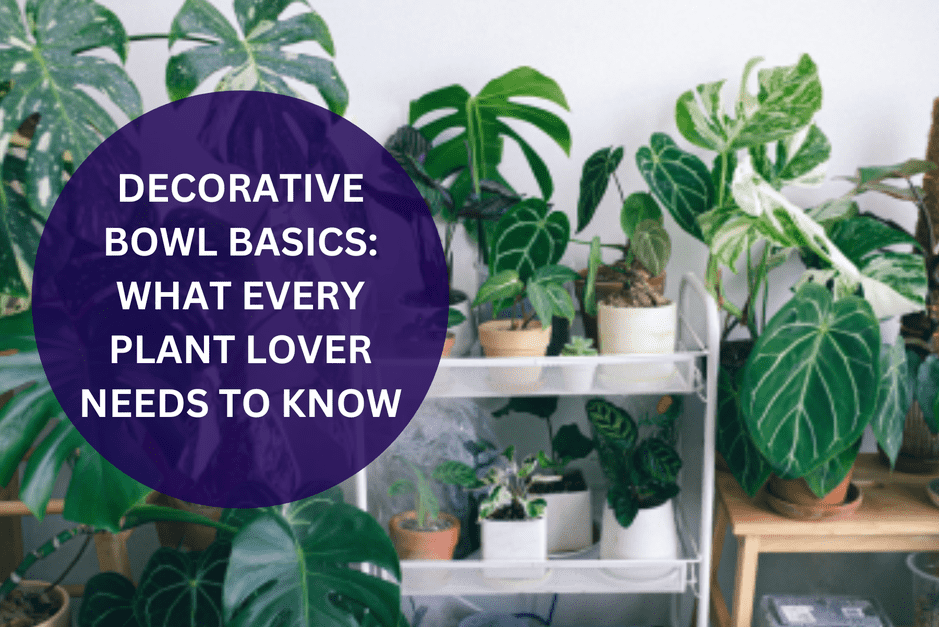
Choosing the perfect decorative bowl for your indoor plants isn’t just about matching your home’s colour palette; it’s about creating a healthy, stylish home for your green companions. The right bowl can showcase your plant beautifully, improve growing conditions, and express your personal aesthetic.
But with so many shapes, sizes, and materials available, how do you make the right choice?
In this article, we’ll guide you through the essentials of selecting the ideal decorative bowl, from ensuring proper drainage and choosing the right material to matching bowls with plant types and home décor. Whether you’re repotting a succulent or planning a full indoor jungle, you’ll learn how to keep your plants thriving in containers that are as functional as they are fashionable.
In fact, the global indoor plant market is expected to surpass US 28 billion (around A$44 billion) by 2031, according to the University of South Australia, reflecting the growing popularity of indoor greenery among Australian households as part of a broader home wellness trend
Decorative Bowl Basics: What Every Plant Lover Needs to Know
Indoor plants are more than greenery; they’re part of your home’s décor. When it comes to showcasing them in style, a well-chosen decorative bowl can elevate both the plant and the space around it. From succulents to trailing ferns, the right bowl does more than look good. It supports healthy growth and reflects your personality.
When selecting a decorative bowl, indoor gardeners often focus on colour and shape. However, the best choices also consider functionality, drainage, and compatibility with the plant’s needs. This article will guide you through everything you need to know, from bowl size and material to aesthetic harmony and smart planting techniques.
Whether you’re a seasoned houseplant enthusiast or just beginning to green your living room, this guide will help you make confident, stylish decisions for your potted companions.
Form Meets Function: Why Bowl Shape and Size Matter
The shape and size of a decorative bowl directly impact how well your plant grows. A bowl that’s too shallow may restrict root development, while one that’s too deep can retain excess moisture, especially if it lacks proper drainage.
Here’s what to consider:
- Width vs. Depth: Shallow bowls suit succulents and bonsai trees that prefer wider root spreads. Taller containers with more soil volume benefit plants that require deeper roots, like peace lilies or snake plants.
- Scale: Ensure the bowl complements the size of the plant. A bowl that’s too large can look awkward, while one that’s too small may stunt growth or cause root binding.
- Balance: Tall plants in low bowls may topple easily. In such cases, opt for a heavier bowl made from ceramic or stone to anchor the arrangement.
Selecting the right bowl shape helps keep your plant healthy and your interior design cohesive.
Drainage Dilemmas: Avoiding Root Rot in Decorative Containers
One of the most common mistakes with decorative bowls is neglecting drainage. Many ornamental bowls, especially ceramic or glazed designs, don’t have drainage holes. This can lead to water pooling at the bottom, causing root rot and attracting pests or fungal issues.
Ways to manage this:
- Double Potting: Keep your plant in a standard plastic grower pot with holes and place it inside the decorative bowl. This lets you water freely and simply remove excess water from the outer container.
- Drainage Layer: Add a layer of pebbles, charcoal, or expanded clay at the bottom of the bowl. While not a foolproof solution, it can reduce the chance of roots sitting in stagnant water.
- Watering Control: Use a moisture meter or water sparingly as needed. Consider self-watering devices or wicks for plants that require consistent moisture.
With these practices, you can enjoy your bowl’s design without compromising plant health.
Choosing the Right Materials: Ceramic, Terracotta, Plastic and More
The material of your decorative bowl not only influences its look but also its function. Each has pros and cons when it comes to plant care.
- Glazed Ceramic: Stylish and available in countless colours and designs. These bowls retain moisture longer, making them great for water-loving plants. Be cautious of no-drainage designs.
- Terracotta: Breathable and porous, excellent for succulents or plants that like to dry out between waterings. However, they can stain and are heavier.
- Plastic: Lightweight and often used for inner pots. Some decorative plastic bowls can look sleek, though they may feel less natural in high-end settings.
- Metal and Glass: These are more about aesthetics. Best used with inner pots or liners, as they don’t regulate temperature or moisture well.
Choose a material that complements your home while supporting your plant’s needs.
The Aesthetic Edge: Matching Bowls with Plants and Interiors
Decorative bowls offer an exciting opportunity to express your personal style. The bowl you choose can either blend with your interior or serve as a focal point.
Styling Tips:
- Colour Matching: Pair bold plants with neutral bowls, and vice versa. A green monstera pops in a white or matte black bowl, while a simple snake plant comes alive in a patterned or colourful design.
- Texture Harmony: Wooden shelves pair beautifully with raw terracotta. Sleek modern spaces benefit from glossy ceramics or metallic finishes.
- Shape Play: Round bowls soften sharp architectural lines, while square or geometric designs bring structure to boho or eclectic interiors.
Don’t be afraid to get creative. Your plants deserve a stunning stage.
Clever Planting Techniques for Bowls Without Holes
If your favourite bowl doesn’t come with a drainage hole, don’t worry. There are still ways to make it work.
Here’s how:
- Use a Nursery Pot: As mentioned earlier, this is the most straightforward method. It provides full watering control and keeps roots safe.
- Create a False Bottom: Place a plastic grid or layer of gravel inside the bowl before adding soil. This raises the root zone above any water that may accumulate.
- Layered Planting: For temporary displays, such as succulents or orchids, use dry, gritty soil and water sparingly. These plants are more tolerant of low-drainage conditions.
- Consider Moss Covers: Add a layer of sphagnum or preserved moss to cover soil and retain surface moisture without waterlogging the roots.
These techniques allow you to use beautiful bowls without sacrificing plant wellbeing.
Expert Tips: Keeping Plants Healthy in Decorative Bowls
Maintaining healthy plants in decorative bowls involves a bit of strategy. Here are some proven tips:
- Monitor Water Levels: Use your finger or a moisture meter to avoid overwatering. Decorative bowls tend to trap moisture longer.
- Rotate Regularly: Give all sides of your plant access to light. This prevents leaning and encourages even growth.
- Feed Appropriately: Decorative bowls often limit soil volume, so nutrients can deplete quickly. Use liquid or slow-release fertilisers suited to your plant type.
- Keep It Clean: Occasionally remove the plant and clean the bowl. This prevents salt build-up and discourages pests like fungus gnats.
With a little extra care, your decorative bowl setup can remain vibrant and healthy year-round.
Style Your Space with Confidence
Decorative bowls are more than just containers; they’re part of your home’s story. Choosing the perfect one for your plant is about more than aesthetics. It’s about balancing beauty with function.
By considering shape, drainage, material, and how each bowl complements both your plant and your space, you’ll create a home that feels greener, healthier, and uniquely yours.
FAQ: Choosing Decorative Bowls for Plants
Q1: Can I plant directly into a decorative bowl without drainage?
Yes, but it’s risky. To prevent root rot, use a drainage layer or place the plant in a nursery pot that sits inside the bowl.
Q2: What plants are best suited for bowls without holes?
Succulents, cacti, and orchids, especially when combined with gritty soil, are better suited due to their low water requirements.
Q3: How do I stop decorative bowls from damaging furniture?
Use felt pads underneath or choose bowls with integrated saucers. Always check for leaks and avoid overwatering.
Q4: Do I need to repot my plant often if it’s in a decorative bowl?
Yes, especially if the plant outgrows its space or the soil becomes compacted. Refresh soil every 12 to 18 months for most indoor plants.
Q5: Are plastic decorative bowls a good option?
They’re lightweight and inexpensive, but may not offer the same aesthetic as ceramic or terracotta. They’re ideal for casual or temporary setups.
Ready to Elevate Your Indoor Plant Styling?
At Ashi Homes & Gardens, we offer an inspiring range of decorative bowls, pots, and indoor gardening essentials, all at wholesale prices. Whether you’re refreshing your living room or designing a lush green corner, our expert team is here to help you choose the perfect plant container that’s both beautiful and practical.
Visit us in-store at A4/10–14 Compton Rd, Woodridge QLD 4114
Call now: (07) 3128 1378
Email: ashihomesandgardens@gmail.com
Explore online and order today: www.ashihomesandgardens.com.au
Don’t wait. Your perfect decorative bowl and thriving indoor garden are just a click away. Let’s grow something beautiful together.





