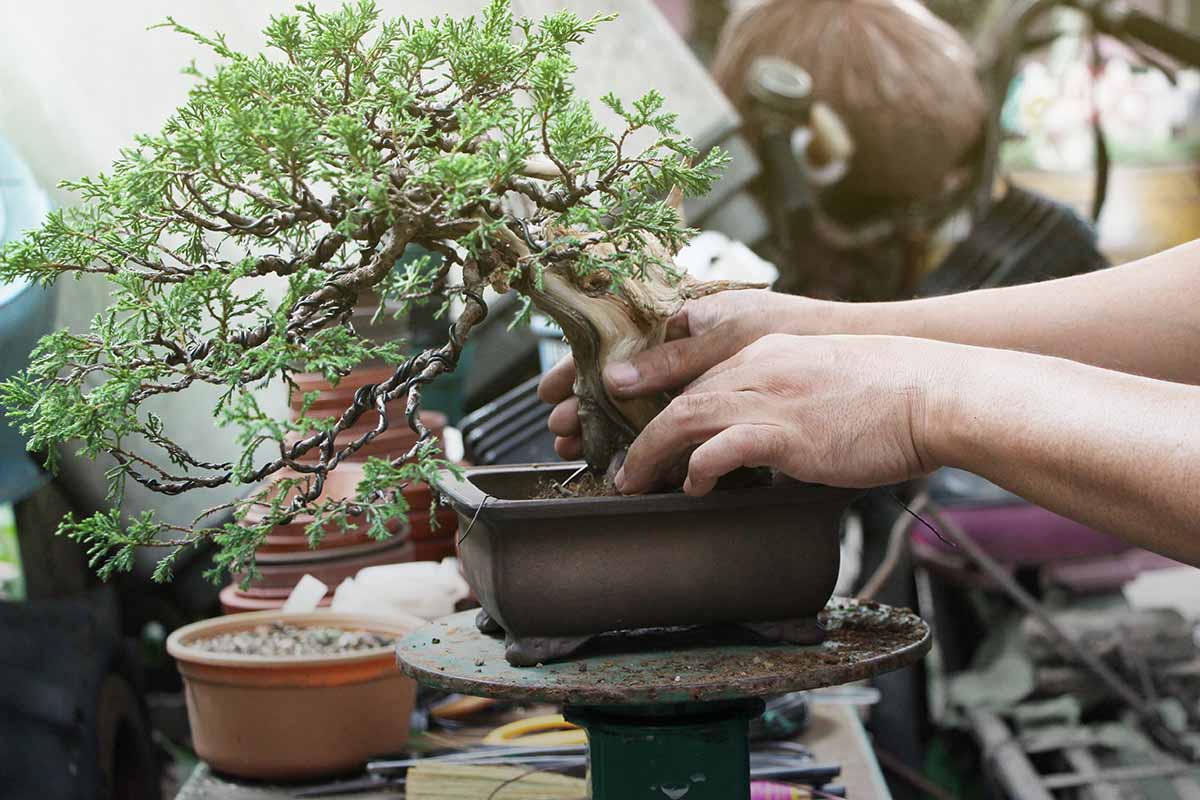
A bonsai pot gives a tree a very limited space to grow. Unlike a tree planted in the ground, a bonsai’s roots cannot spread through a large area looking for water, air and nutrients.
That means the growing medium has an important job. It needs to help manage moisture, allow excess water to drain away and leave enough air around the roots.
This is where Akadama comes in.
So, what is Akadama?
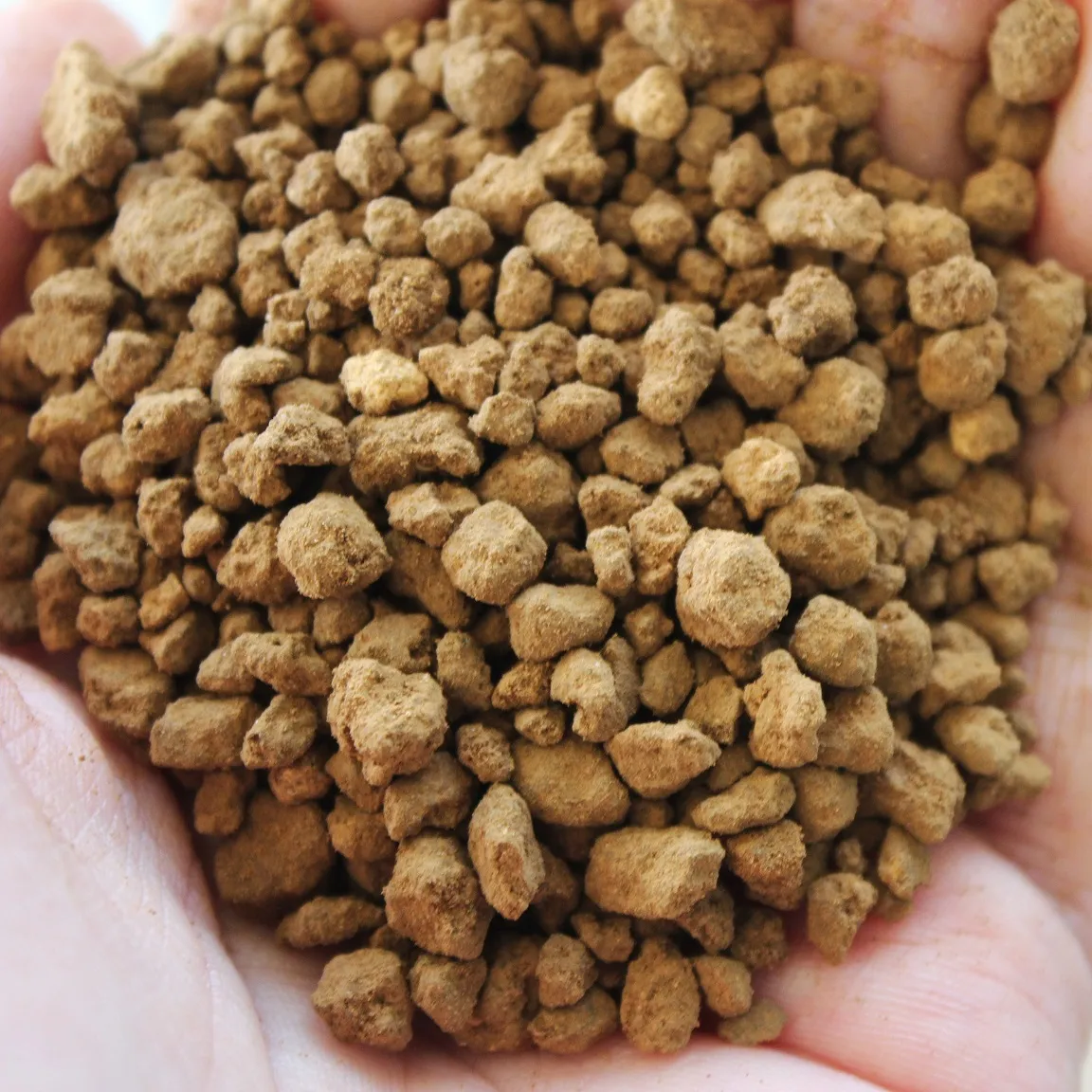
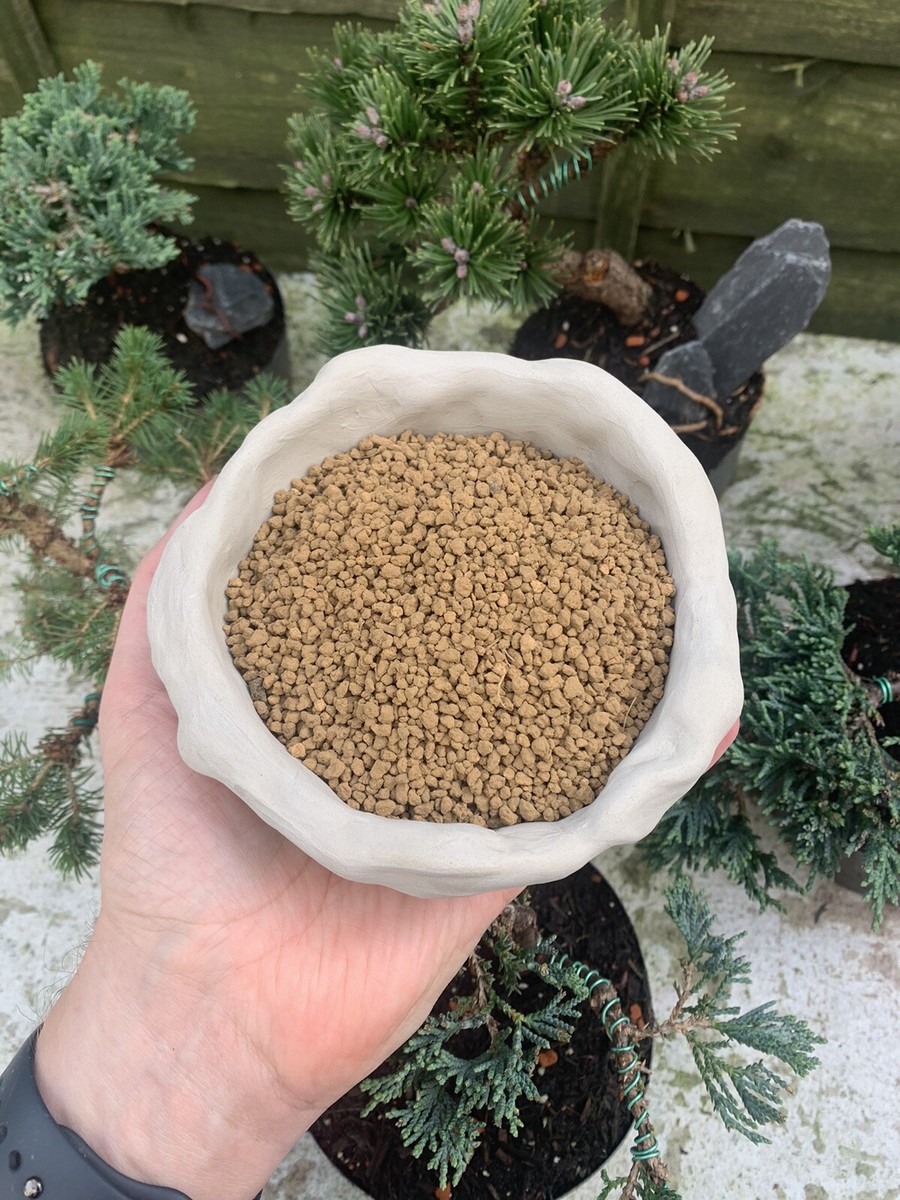
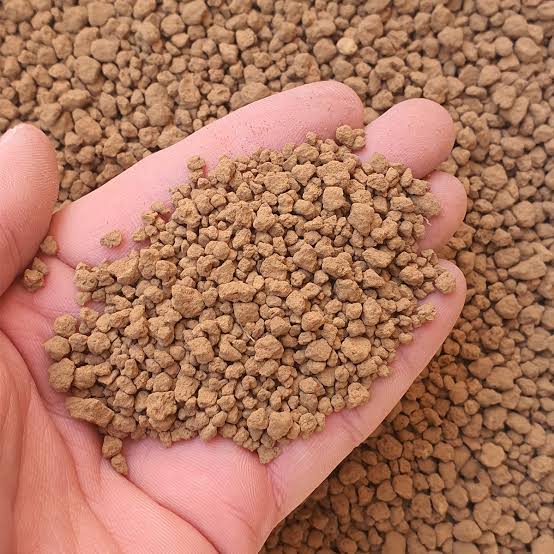
Akadama is a granular Japanese growing medium widely used in bonsai cultivation. Its structure allows it to retain moisture while creating spaces that help water move through the container and air reach the root zone.
That balance is one of the main reasons bonsai growers use Akadama. However, understanding how it works is more useful than simply knowing it is a “bonsai soil”.
What Bonsai Roots Need From a Growing Medium
Choosing a bonsai substrate becomes easier when you start with the needs of the roots rather than the product itself.
Roots need two things at the same time:
| Root requirement | Why it matters |
| Moisture | Bonsai trees need access to water between watering sessions |
| Oxygen | Roots need air around them to support healthy growth |
| Drainage | Excess water needs a way to leave the container |
| Structure | The growing medium needs to maintain space around the roots |
A good bonsai growing medium helps balance these needs.
Too much retained moisture can reduce airflow around the roots. A medium that drains too quickly may require more frequent watering. The right balance depends on the tree, pot, climate and care routine.
Why Ordinary Potting Mix Behaves Differently in a Bonsai Pot
Bonsai containers are often shallow and intentionally restrict root space. This creates different growing conditions from a normal garden bed or larger plant container.
Particle structure becomes important because it influences how water and air move through the medium.
A fine, dense material behaves differently from a collection of larger particles with spaces between them. In bonsai, those spaces can help create a better balance between moisture retention and drainage.
Akadama works through this granular structure.
Rather than forming a dense mass, it consists of individual particles that influence how water is held and how air moves around the roots.
The Balance Between Water, Air and Root Growth
A bonsai substrate needs to perform several jobs at once.
It should:
- hold enough moisture for the tree
- allow excess water to drain away
- maintain air spaces around roots
- provide a stable environment for root development
Changing one part of the system can affect the others.
For example, a finer growing medium may retain more moisture, while a larger particle size may create more airflow. This is why there is no single bonsai soil mix that works perfectly for every tree and every growing environment.
What Is Akadama Soil?
Akadama is a granular Japanese growing medium used extensively in bonsai cultivation.
It is often called Akadama bonsai soil or Japanese soil, although it behaves differently from ordinary garden soil or traditional organic potting mixes.
The important feature is its particle structure.
Akadama Is a Granular Japanese Growing Medium Used in Bonsai Cultivation
Dry Akadama consists of individual mineral particles rather than a soft, organic mix.
Those particles influence how water behaves inside the container. Moisture can be retained while spaces between particles allow drainage and airflow.
This is why Akadama is valued in bonsai growing. It gives growers a way to influence the root environment through the structure of the substrate.
Why Bonsai Growers Use Akadama
Akadama has become strongly associated with bonsai because it helps manage some of the challenges created by growing trees in small containers.
The main benefit is balance.
Bonsai roots need access to moisture after watering, but they also need air around them. A granular medium gives growers more control over these conditions.
How Akadama Helps Manage Moisture and Drainage
Good drainage does not mean a growing medium should hold no water.
A bonsai still needs usable moisture between watering sessions.
Akadama can retain moisture while allowing excess water to move through the spaces between particles. This helps create a growing environment where water is available without leaving the roots sitting in excessive moisture.
Air Spaces Around Bonsai Roots Matter Too
Roots need oxygen as well as water.
A dense growing medium can reduce the amount of air available around the roots. Granular materials help maintain spaces within the substrate, depending on particle size and the overall mix.
The importance of this air space can also be seen in professional container-growing media. The Australian National Botanic Gardens uses a free-draining nursery potting mix with 15–20% air-filled porosity to support good aeration and drainage. This provides a useful example of why maintaining pore space within a growing medium matters for plant roots.
Particle size is therefore an important consideration.
Smaller particles can create a finer root environment but may pack together more closely. Larger particles generally create more space within the mix.
The right choice depends on how the substrate will be used.
Akadama Works Best When Matched to Your Bonsai Setup
Akadama is a useful growing medium, but it is only one part of the growing system.
The result depends on factors such as:
- the tree species
- the size and depth of the pot
- the climate
- watering habits
- the other components in the growing mix
A substrate that works well for one grower may not perform the same way for another because their conditions are different.
Choosing the Right Akadama Particle Size
Particle size affects how the finished growing medium behaves.
When selecting Akadama, consider:
| Consideration | Why it matters |
| Tree size | Different trees and stages of growth may require different growing conditions |
| Pot size | Container dimensions influence how quickly the medium dries |
| Climate | Temperature and exposure affect moisture levels |
| Watering routine | A mix must suit how often the tree can be checked and watered |
| Other substrate components | Materials added to Akadama change the final balance |
Understanding what each component contributes is usually more useful than copying someone else’s exact recipe.
Should You Use Akadama Alone or Mix It With Other Bonsai Media?
Many bonsai growers ask whether Akadama should be used by itself or combined with other materials.
The answer depends on the growing conditions and the result you want from the finished substrate.
Akadama can be used alone in some bonsai-growing approaches. It is also commonly combined with other mineral materials.
Combining Akadama With Pumice and Other Mineral Components
Adding other materials changes the characteristics of the growing medium.
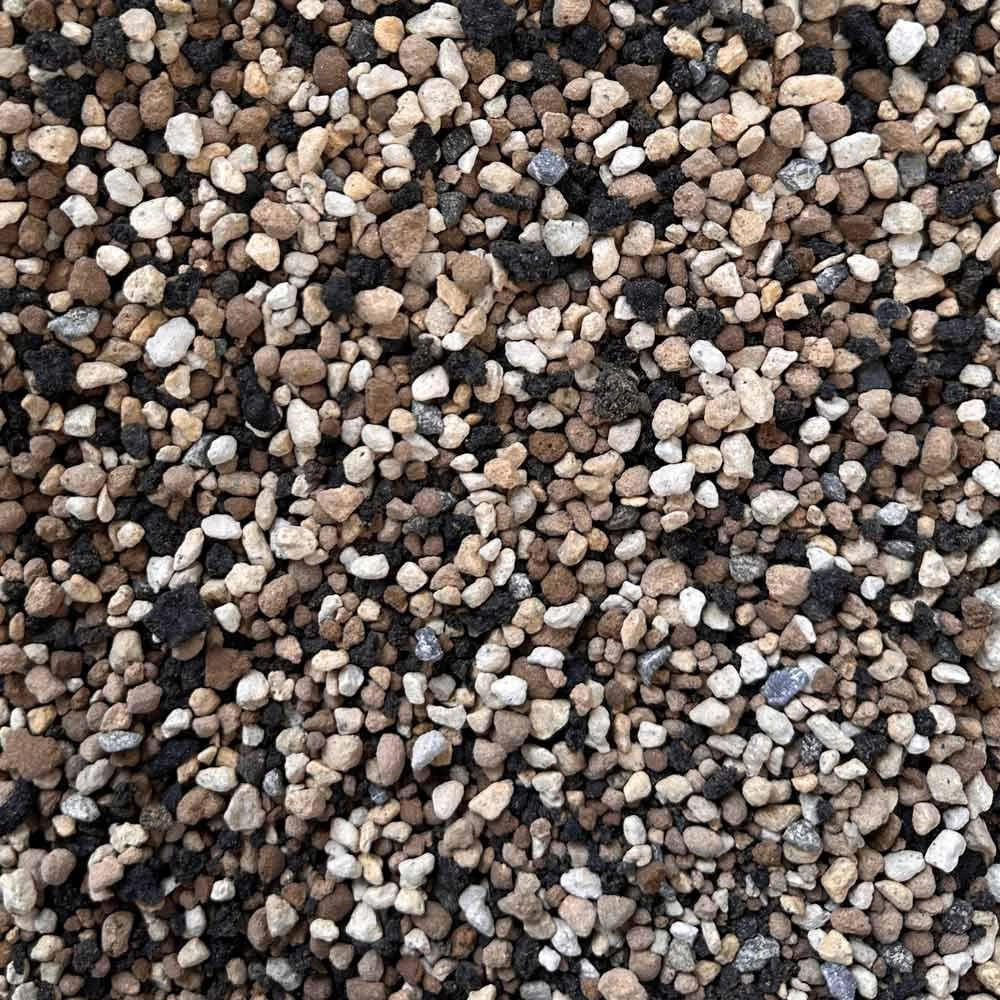
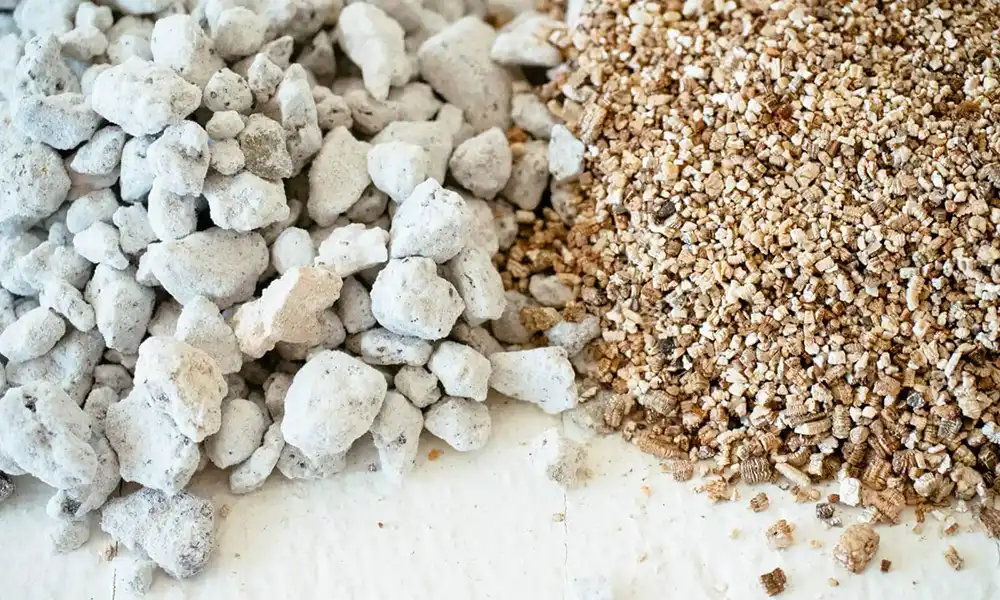
Pumice, scoria and other granular components can influence:
- drainage
- airflow
- moisture behaviour
- the structure of the finished mix
Each ingredient changes the balance.
Rather than searching for one perfect recipe, it is often more useful to understand what each material contributes and how the final mix behaves after watering.
At Ashi Homes & Gardens, we stock Akadama alongside other specialist mineral growing media for growers who want flexibility when creating a bonsai substrate.
There Is No Universal Akadama Ratio for Every Bonsai
Bonsai soil recipes can be useful starting points, but they should not be treated as rules.
A particular mix may work well for one tree and growing environment but need adjustment elsewhere.
The important questions are:
- What does the tree need?
- How quickly does the pot dry?
- How often can it be watered?
- What role does each ingredient play?
Observing how the bonsai responds will usually teach you more than following a fixed percentage without understanding why it works.
Continuing the rewritten article:
How to Decide Whether Akadama Makes Sense for Your First Bonsai
Choosing a bonsai substrate becomes easier once you understand what you need the material to do.
Instead of asking whether Akadama is simply “good” or “bad”, consider whether it suits your tree, your pot and the way you care for your bonsai.
Five Questions to Ask Before Choosing Your Growing Medium
Before buying Akadama, consider these questions:
- What species am I growing?
Different trees can have different moisture and root requirements. - How shallow is the pot?
Container size influences how water behaves around the root system. - How quickly does my current mix dry?
Your existing watering routine can provide useful clues about what needs to change. - How often can I realistically water?
A free-draining mix still requires regular attention to maintain suitable moisture. - Will I use Akadama alone or as part of a mix?
Other materials can significantly change how the finished substrate performs.
These questions help turn choosing Akadama from a simple purchase into a decision based on your bonsai’s growing conditions.
Choosing Akadama for Your Growing Conditions
Akadama is one tool for creating a suitable root environment inside a bonsai container.
The best choice depends on how the material fits into the complete growing setup. Consider the tree, the pot, the climate and your watering routine before deciding on a substrate.
At Ashi Homes & Gardens, we stock Japanese Akadama and other specialist mineral growing media for growers who want to create or adjust their bonsai substrate.
Explore our range of Bonsai Supplies and Mineral Growing Media to find materials suited to your growing approach.
The Akadama Questions Beginners Ask Most Often
Is Akadama actually soil?
Akadama is commonly described as Japanese bonsai soil, although it has a granular mineral structure that looks and behaves differently from ordinary garden soil or traditional potting mixes.
In bonsai, the word “soil” is often used broadly to describe the material surrounding the roots inside the container.
Why is Akadama popular for bonsai?
Akadama is valued because its granular structure can help balance moisture retention, drainage and airflow around bonsai roots.
These characteristics are especially useful in shallow containers where growers need to carefully manage the root environment.
Can I grow a bonsai in 100% Akadama?
Some bonsai-growing approaches use Akadama by itself, while others combine it with materials such as pumice or scoria.
The best approach depends on the tree, pot, climate and watering routine.
Does Akadama hold water or drain water?
It can contribute to both.
The particles can retain moisture, while the spaces between suitably sized particles allow excess water to move through the container.
This balance is one of the main reasons bonsai growers use granular growing media.
Is Akadama suitable for every bonsai species?
No single substrate mix suits every tree or every growing environment.
Different species, containers and growing conditions may require different particle sizes, materials and proportions.
What is the difference between Akadama and ordinary potting mix?
Akadama consists of individual granular particles, while conventional potting mixes usually contain a combination of organic and inorganic materials with a finer overall texture.
That difference affects how water and air move through the growing medium.
What should I look for when buying Akadama?
Particle size is one of the main considerations.
You should also consider:
- the size of your tree
- the type of container
- your planned substrate mix
- the other materials you may combine with Akadama
Choosing the right material starts with understanding what your bonsai needs from its growing environment.
Understanding Akadama Makes Bonsai Soil Easier to Read
Akadama may seem specialised because of its connection with bonsai, but the basic principle is straightforward.
A bonsai needs a growing environment that manages water, drainage and oxygen inside a limited container. Akadama gives growers one way to influence those conditions through its granular structure.
Once you understand that purpose, discussions about particle size, substrate mixes and bonsai soil choices become much easier to follow.
Start with the roots. Understand what your pot and growing conditions require. Then choose the materials that support that environment.
If you are preparing for a repot, explore our Akadama Double Line 14L 1–3mm and specialist bonsai growing media to find substrate components that suit your approach.