
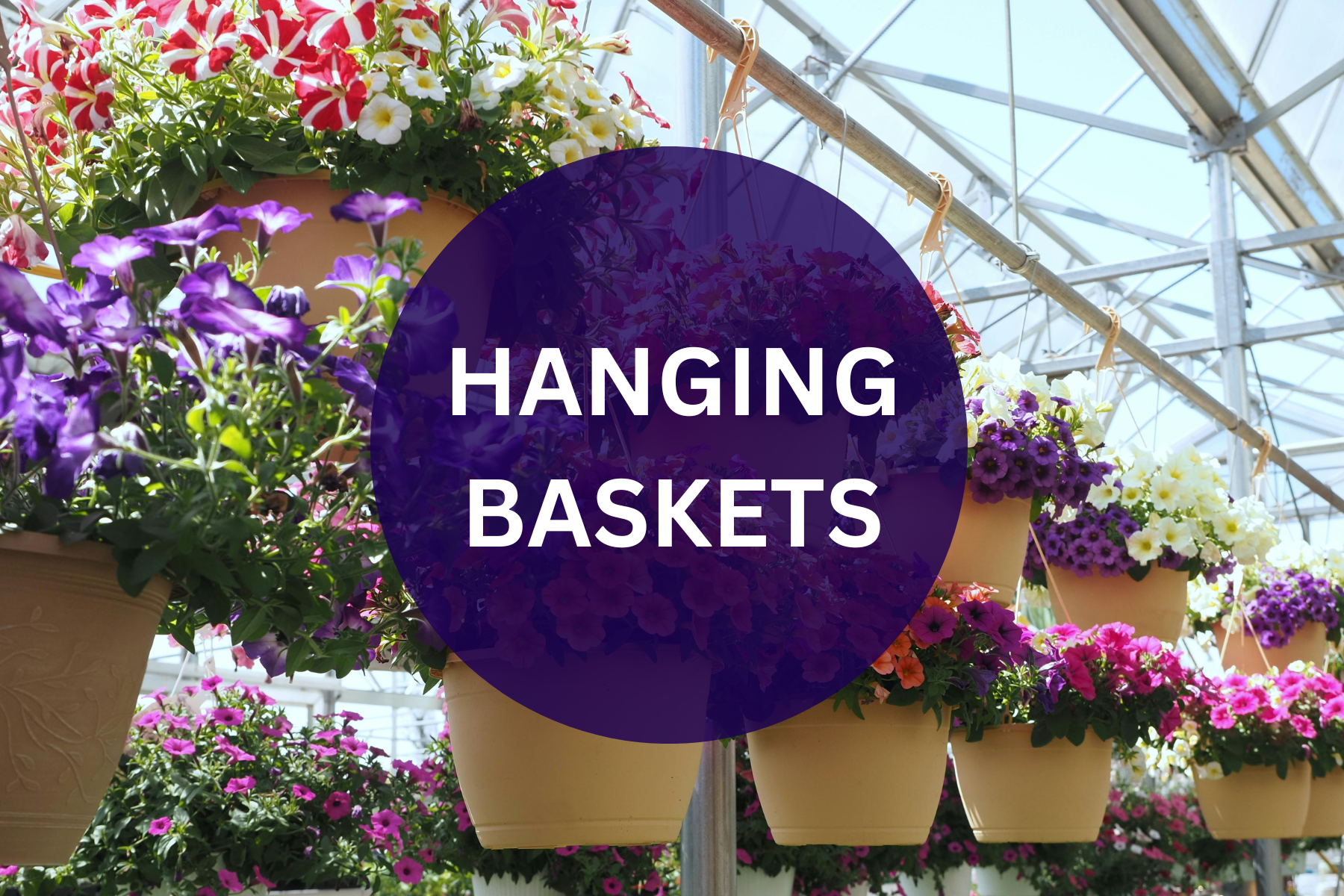
Transforming an urban space into a verdant oasis can seem daunting, especially when contending with limited room and environmental constraints.
In fact, over 52% of Australian households now grow some of their own food at home or in community gardens.
However, the allure of lush hanging baskets offers a whimsical and effective solution that not only maximises vertical gardening spaces but also enriches your living area with vibrant greenery. In order to succeed with hanging plants, the key lies in understanding their unique care requirements and tailoring your approach to fulfil these needs. With the right knowledge, your hanging baskets can become a flourishing focal point in any urban shetting.
Understanding the Basics of Hanging Plant Care
The foundation for thriving hanging baskets rests on understanding the specific needs and conditions that promote plant health and vitality. By honing in on the essentials of hanging plant care, gardeners can create an environment where plants not only survive but thrive.
The Importance of Choosing the Right Plants
Your choice of plants will be pivotal in determining the success of your hanging baskets. It’s essential to select plant varieties that are well-suited to your particular setting, especially in urban environments where sunlight, wind exposure, and space can be limiting factors. Favour plants that are inherently robust and adaptable to a range of conditions. For urban gardeners, considering plant varieties such as trailing fuchsias, ivy, or bacopa can make the difference in performance. These plants are not only visually appealing, but they also tend to be resilient and capable of flourishing in compact spaces typical of city living.
When selecting plants, it’s wise to consider those species that are native or particularly adapted to your local climate. This ensures a greater chance of success, as these plants are better equipped to handle the specific challenges posed by your region’s climate variation and urban environment pressures.
Factors Influencing Hanging Plant Success
Navigating the requirements of hanging plant care involves balancing several key factors. Central among these are the considerations of light, temperature, and humidity—three components that dictate plant health.
Light is perhaps the most critical, as hanging baskets can be exposed to full sun or significant shade, depending on their placement. Similarly, urban heat islands can result in elevated temperatures that may necessitate shade cloths or the strategic choosing of a location for your hanging baskets.
Humidity, often overlooked in urban gardening, can significantly impact plant vitality. If your hanging basket is positioned indoors or under partial shelter, it might lack the humidity naturally found in more open spaces. Misting or using humidity trays can be beneficial for plants sensitive to dry air conditions.
Aside from environmental factors, the accessibility and ease of maintenance play a role in the success of your hanging plants. Urban gardeners might face challenges in regularly reaching their baskets for watering or maintenance, which should influence the system you set in place, whether it involves retractable hooks or placing baskets within easy reach.
Preparing Your Hanging Baskets for Success
Choosing the Right Containers and Materials
To ensure the prosperity of your suspended planter, selecting the correct container is vital. The choice of container can significantly impact the health and longevity of your plants. Opt for containers made from materials like terracotta, plastic, or metal, each offering unique benefits. Terracotta, for instance, provides breathability and moisture regulation. In urban settings where weight may be a concern, consider plastics or lightweight fibreglass options to ease hanging and manoeuvrability. Remember, the right container will have adequate drainage holes to prevent waterlogging, a common issue in urban gardens.
Beyond the container itself, the materials you use to support and fill your hanging planters are equally crucial. Incorporate sphagnum moss or coconut coir liners; these not only keep the soil in place but also help retain moisture without suffocating plant roots. Use wire baskets with a natural lining for a charming, rustic appearance while promoting healthy air circulation within the planter.
Soil and Fertiliser Essentials for Hanging Plant Care
The soil mixture you choose can make or break your hanging planter’s success. Given the compact nature of a hanging planter, a lightweight and well-draining soil mix is essential. Consider using a blend of potting soil with perlite or vermiculite, which enhance aeration and drainage—key factors for plant health in a suspended garden.
Fertilisation plays an indispensable role in the vibrancy and resilience of your urban greenery. In compact spaces, plants can quickly exhaust the nutrients available to them. Select a balanced, slow-release fertiliser to maintain your hanging flora’s nutritional needs, ensuring sustainable growth and flowering. Use liquid fertilisers during the active growing seasons to provide an extra boost and encourage lush development.
Care and Maintenance of Lush Hanging Baskets
Watering Best Practices for Urban Gardeners
Proper watering is one of the most critical aspects of successful hanging plant care. Given the suspended nature of these baskets, they tend to dry out more quickly than ground-level containers, especially in urban environments where exposure to wind and sunlight can be intensified.
To keep your plants thriving, adopt a consistent watering schedule. Most hanging baskets need watering once a day during warm weather, but this may vary depending on the plant variety and climate conditions. In cooler months, watering can be reduced to every few days, ensuring the soil remains moist but not saturated.
Using a watering can with a long spout or a hose with an adjustable nozzle allows for direct watering into the soil rather than onto the leaves, reducing the risk of fungal diseases. Morning watering is advisable as it provides moisture throughout the day and prevents excess humidity overnight, which could encourage mould and pests.
Drainage is also crucial for maintaining healthy hanging baskets. Excess water must be able to escape freely to prevent root rot. Ensure that your baskets have adequate drainage holes and consider adding a layer of perlite or fine gravel at the base of the container to aid in water flow.
Pruning and Pest Management
Regular pruning is essential for encouraging lush, full growth in hanging baskets. Without routine trimming, plants can become leggy and overgrown, leading to sparse foliage and reduced flowering. Pinching back new growth—removing the tips of shoots—can help keep plants compact and encourage a bushier form.
Deadheading, or the removal of faded flowers, is another important practice. This not only improves the appearance of the basket but also stimulates further blooms by redirecting the plant’s energy from seed production to new growth.
Urban environments can present unique challenges when it comes to pest control. Common pests such as aphids, spider mites, and whiteflies can quickly infest hanging plants if not addressed promptly. Regularly inspect the undersides of leaves and stems, as pests often hide in less visible areas.
Integrated pest management (IPM) methods are recommended to keep infestations under control without resorting to harsh chemicals. Methods such as introducing beneficial insects like ladybirds or lacewings, using neem oil sprays, or simply hosing down affected areas can help maintain plant health. If an outbreak becomes severe, an organic insecticidal soap solution can be applied as a last resort.
By maintaining a consistent pruning and pest control routine, you ensure that your hanging baskets remain vibrant and robust throughout the seasons.
Care and Maintenance of Lush Hanging Baskets
Ensuring your hanging baskets remain vibrant and healthy requires regular care and attention. Urban gardeners often face specific challenges such as space constraints, varying environmental conditions, and accessibility concerns. By following best practices for watering, pruning, and pest management, you can maximise the beauty and longevity of your hanging plants.
Watering Best Practices for Urban Gardeners
Watering is one of the most crucial aspects of hanging plant care. Since hanging baskets are more exposed to air and wind, they tend to dry out more quickly than ground-level plants. Knowing when and how to water is essential for maintaining lush, thriving greenery.
Scheduling and Techniques for Efficient Watering
The frequency of watering depends on several factors, including plant variety, weather conditions, and container type. In warmer months, hanging plants may require daily watering, while in cooler seasons, less frequent watering suffices.
To determine whether watering is required, check the soil by inserting your finger about an inch deep. If it feels dry, it’s time to water. When watering, aim for a slow and steady flow to allow the soil to absorb moisture evenly without creating runoff. Early morning or late afternoon is the ideal time to water, as this prevents excessive evaporation and ensures the plants have ample moisture throughout the day.
Importance of Drainage in Preventing Overwatering
Proper drainage is just as important as adequate watering. Overly saturated soil can lead to root rot, which is one of the most common reasons hanging plants fail to thrive. Ensure that your hanging baskets have drainage holes at the base to allow excess water to escape.
Using a well-draining soil mix that includes components such as compost, perlite, and vermiculite can also aid in moisture control. If possible, consider including a layer of gravel or broken terracotta at the bottom of the basket to improve drainage further.
Pruning and Pest Management
Regular pruning and pest management are essential steps in keeping your hanging baskets flourishing. By maintaining a healthy growth habit and preventing infestations, you can extend the life and vibrancy of your plants.
Regular Maintenance Routines to Encourage Growth
Pruning is beneficial for both the aesthetics and health of your plants. Removing dead or diseased stems encourages new growth and prevents energy from being wasted on struggling foliage. Additionally, trimming back leggy or overgrowing plants can promote a fuller, more compact appearance.
For flowering plants, deadheading – the removal of spent blooms – encourages continuous blossoming. This is particularly beneficial for varieties such as petunias, geraniums, and fuchsias, which tend to flower more abundantly when regularly maintained.
Identifying and Addressing Common Urban Plant Pests
Pests can be a challenge in urban gardening, where plants often contend with limited space and varying microclimates. Aphids, spider mites, and whiteflies are some of the most common culprits that may attack hanging basket plants.
Regularly inspect the undersides of leaves and stems for signs of infestation, such as discolouration, webbing, or tiny moving spots. If you notice pests, try washing them off with a gentle spray of water or applying natural remedies such as neem oil or diluted soapy water.
Encouraging beneficial insects, such as ladybirds, can also help keep pest populations under control naturally. Another preventive measure is to avoid overcrowding plants within a basket, as good air circulation can reduce the risk of pest problems.
Seasonal Adjustments for Year-Round Thriving
Adapting Care Practices with Changing Seasons
As the seasons change, so too should your approach to caring for your hanging baskets. The adaptability of urban gardeners is key to maintaining vibrant and healthy plants all year round. During the spring and summer months, ensure your plants receive adequate light by adjusting their positioning to capture the most sunlight. In contrast, the autumn and winter seasons may require you to bring your baskets indoors to shield them from harsh weather. Adjust your watering schedule accordingly, as warmer months necessitate more frequent hydration, whereas cooler periods require moderated watering to prevent root rot.
In terms of feeding, a more robust fertiliser schedule is often needed during the growth spurts of spring and summer. As temperatures drop, reduce fertiliser use to allow your plants to naturally slow their growth in preparation for dormancy. Paying attention to these seasonal shifts will foster resilient plants that flourish throughout the year.
Overwintering and Special Considerations
Overwintering is a critical step for ensuring your hanging baskets survive the chilliest months. Begin by assessing your plants to determine which are more delicate and may require extra care. Consider using frost cloths or bringing particularly sensitive plants indoors to protect them from freezing temperatures. Adequate air circulation is necessary even when the plants are indoors, so place them in a room that remains cool yet not subject to drafts.
Transitioning plants between indoor and outdoor environments can be eased with gradual acclimatisation. In the spring, slowly introduce your baskets back outside by placing them in a shaded area for a few hours each day, increasing their outdoor time incrementally. This gradual process helps minimise stress and allows plants to adjust to new conditions smoothly.
Creating a Community of Urban Gardeners
Engaging with Local Gardening Communities
Becoming part of a local gardening community can greatly enrich your urban gardening journey. Joining gardening groups provides opportunities to exchange advice, share success stories, and learn from others’ experiences. These communities often host workshops, plant swaps, and meetings, serving as platforms for knowledge dissemination and fostering a spirit of collaboration among urban gardeners.
Engaging with others who share your passion for greenery can inspire new projects and creative solutions to gardening challenges. Additionally, these groups offer moral support and encouragement, empowering you to tackle any difficulties that may arise in your urban gardening endeavours.
Sustainable Practices for Urban Gardening
Embracing sustainable gardening practices not only benefits the environment but also enhances the quality and health of your hanging baskets. Simple habits such as using peat-free compost, collecting rainwater for irrigation, and recycling containers can significantly reduce your ecological footprint. Consider planting native species that require less intensive care and are well-suited to the local climate.
Urban gardeners play a crucial role in transforming cities into greener, more sustainable spaces. By demonstrating eco-friendly practices and sharing these techniques with your community, you contribute to a broader movement of urban renewal. Together, you and your fellow gardeners can cultivate not just plants, but also a sustainable, vibrant future within your urban space.
Frequently Asked Questions on Hanging Plant Care for Urban Gardeners
1. What are the best plants for hanging baskets in urban environments?
Urban gardeners should choose plants that are resilient and adaptable to limited sunlight and space. Trailing fuchsias, ivy, and bacopas are excellent choices due to their robust nature and ability to thrive in compact environments typical of city settings.
2. How do I maintain optimal watering for my hanging plants?
Proper watering is crucial as hanging baskets dry out faster than ground-level containers. Maintain a consistent schedule, watering once a day in warm months and less frequently during cooler periods. Ensure adequate drainage to prevent root rot.
3. How can I manage pests without using harsh chemicals?
Integrated pest management methods are effective for urban gardeners. Introduce beneficial insects like ladybirds, use neem oil sprays, or hose down affected areas to control pests like aphids and spider mites naturally.
4. What adjustments should I make with changing seasons for my hanging baskets?
As seasons change, adjust your care practices accordingly. In warmer months, provide more sunlight and water, while in cooler months, reduce watering and bring baskets indoors to protect from harsh weather.
5. What are the main environmental factors affecting hanging plant success?
Light, temperature, and humidity are crucial factors. Ensure appropriate light exposure, protect plants from extreme temperatures, and maintain humidity, especially if baskets are indoors or under shelter.
6. How can I ensure my hanging baskets thrive year-round?
Adapt your care with seasonal changes. Increase fertilisation during spring and summer, and reduce during autumn and winter. Overwinter sensitive plants indoors, gradually transitioning them outside in spring.
7. What are some effective pruning techniques for hanging baskets?
Regular pruning promotes lush growth. Pinch back new growth for compact, bushier plants, and deadhead faded flowers to encourage more blooms by redirecting the plant’s energy to new growth.
8. How can urban gardeners engage with local gardening communities?
Joining local gardening groups can enhance your experience. Participate in workshops, plant swaps, and meetings to exchange tips, gain support, and motivate your urban gardening efforts.
9. What sustainable practices can I adopt for better hanging plant care?
Embrace sustainability by using peat-free compost, collecting rainwater for irrigation, and recycling containers. Focus on native species that require less intensive care and suit the local climate.
10. How can I improve air circulation for indoor hanging plants during winter?
Place indoor plants in a room with cool temperatures but away from drafts. Ensure air circulation, which is necessary to prevent mould and maintain plant health during the winter months.
Get Started with Ashi Home and Garden
Looking to improve your space with hanging baskets?
Find quality baskets, liners, and plant care products at Ashi Home and Garden.
Shop online or visit us in-store to get what you need for thriving urban greenery.





